 1 / 91 / 9
Loading SafariFind...
1 / 9Arrival in Nairobi and transfer to Amboseli National Park
Amboseli National Park
Meals: Lunch, Dinner
Amboseli National Park
Amboseli National Park
Meals: Breakfast, Lunch, Dinner
Amboseli to Ol Pejeta Conservancy
Ol Pejeta Conservancy
Meals: Breakfast, Lunch, Dinner
Ol Pejeta to Samburu National Reserve
Samburu National Reserve
Meals: Breakfast, Lunch, Dinner
Samburu National Reserve
Samburu National Reserve
Meals: Breakfast, Lunch, Dinner
Samburu to Lake Nakuru National Park
Lake Nakuru National Park
Meals: Breakfast, Lunch, Dinner
Nakuru to Maasai Mara National Reserve
Maasai Mara National Reserve
Meals: Breakfast, Lunch, Dinner
Maasai Mara National Reserve
Maasai Mara National Reserve
Meals: Breakfast, Lunch, Dinner
Maasai Mara National Reserve
Maasai Mara National Reserve
Meals: Breakfast, Lunch, Dinner
Maasai Mara to Nairobi- Drop off
Nairobi
Meals: Breakfast
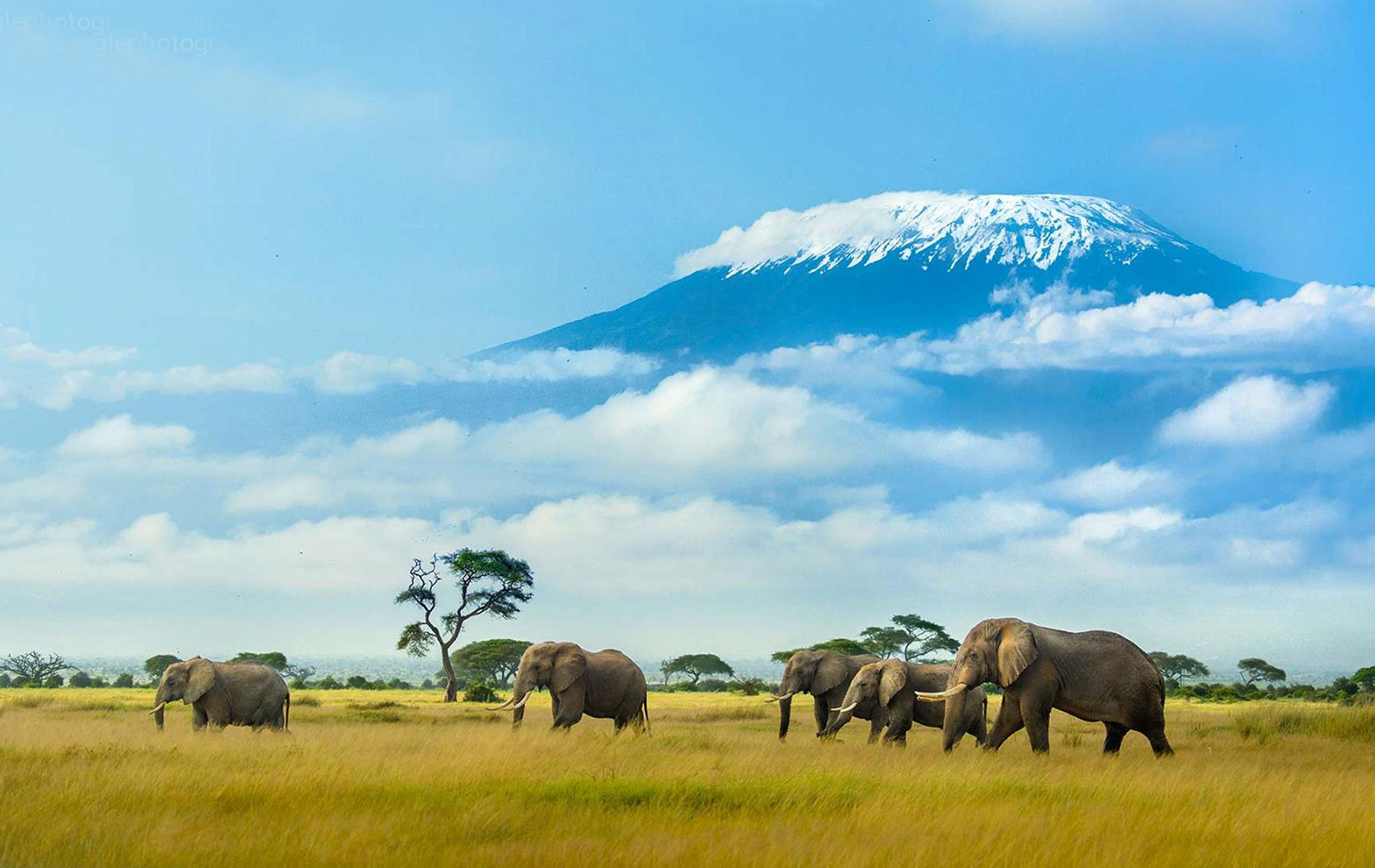
Amboseli National Park is renowned for its exceptional elephant populations, offering some of the best opportunities to see large herds of African savannah elephants in their natural habitat. The park is also home to lions, buffalo, zebras, giraffes, and various antelope species. One of the most iconic features of Amboseli is the stunning backdrop of Mount Kilimanjaro, which provides a breathtaking setting for wildlife viewing and photography. The park's diverse ecosystem, including swamps and open plains, supports a rich variety of birdlife as well, making it a excellent destination for both game viewing and ornithology enthusiasts.
The Samburu 5 refers to five unique wildlife species that are endemic or particularly abundant in Samburu National Reserve and are rarely found elsewhere in Kenya. These five species are the Samburu giraffe (reticulated giraffe), Grevy's zebra, beisa oryx, gerenuk, and the African wild dog. Samburu National Reserve is one of the best places in Kenya to encounter these distinctive animals in their natural habitat. Seeing all five species during a safari in Samburu is considered a special achievement among wildlife enthusiasts and photographers, as the reserve's arid landscape and unique ecosystem support these specialized species.
Yes, Lake Nakuru is one of Kenya's premier birdwatching destinations and is famous for its spectacular flamingo populations. The lake's shallow, alkaline waters create an ideal habitat for thousands of flamingos, which gather in massive flocks that create stunning pink-hued shorelines. Beyond flamingos, Lake Nakuru attracts over 450 bird species, including eagles, herons, cormorants, and various waterfowl. The park surrounding the lake also provides opportunities to see terrestrial wildlife such as lions, leopards, buffaloes, and giraffes. Whether you're an experienced birder or simply enjoy observing wildlife, Lake Nakuru offers exceptional opportunities for both birdwatching and general game viewing in a compact and accessible area.
Yes, the Masai Mara is known for offering reliable sightings of the Big Five—lion, elephant, rhino, leopard, and buffalo. The reserve's vast ecosystem and healthy wildlife populations make it one of the best destinations in Africa for encountering all five species during a safari. Lions are particularly abundant in the Masai Mara, and you have excellent chances of seeing them during game drives. Elephants roam the savannah in significant numbers, while rhinos, though more elusive, are present throughout the reserve. Leopards are nocturnal and solitary, making them challenging to spot, but patient game drives increase your odds. Buffalo are commonly seen in herds grazing across the plains. The combination of experienced guides, private vehicles, and the reserve's vast size significantly enhances your probability of seeing all five iconic species during your time there.
A 10-day Kenya safari is considered an ideal duration for experiencing the country's major wildlife destinations comprehensively. This timeframe allows you to spend 2-3 nights in multiple parks, which is sufficient to acclimate to the landscape, understand the wildlife patterns, and increase your chances of meaningful animal encounters. With fewer than 5 days, you may feel rushed and miss significant wildlife sightings. A 10-day itinerary balances thorough exploration with reasonable travel time between destinations, allowing you to visit diverse ecosystems—from the elephant herds of Amboseli to the unique species of Samburu to the abundant wildlife of Masai Mara—while minimizing travel fatigue. This duration also provides flexibility for early morning and afternoon game drives, which are the most productive times for wildlife viewing.
For a Kenya safari, pack neutral-colored, lightweight clothing suitable for warm days and cool mornings and evenings. Recommended items include long-sleeved shirts and pants for sun and insect protection, a warm fleece or jacket for early morning game drives, a wide-brimmed hat, and quality sunglasses. Bring sturdy, closed-toe hiking boots or safari shoes for walking on uneven terrain. Essential items include high-SPF sunscreen, insect repellent, a reusable water bottle (bottled water is provided during drives), binoculars for wildlife viewing, and a camera with extra batteries and memory cards. Medications for common ailments, a basic first aid kit, and any personal prescription medications are important to include. Toiletries, a headlamp or flashlight, and a light daypack are also useful. Avoid bright colors and camouflage patterns, as neutral earth tones help you blend into the landscape for better wildlife photography and viewing.
Kenya offers excellent safari opportunities year-round, but the best times depend on your priorities. The dry seasons—June to October and January to February—provide the best game viewing because wildlife congregates around water sources and vegetation is sparse, making animals easier to spot. July to October is peak season for the Masai Mara, coinciding with the Great Migration when massive herds of wildebeest and zebras move through the ecosystem. The rainy seasons (March to May and November to December) are less crowded, offer lush landscapes, and feature excellent birdwatching and lower prices. December to February offers pleasant weather and good wildlife viewing, though it's warmer than other seasons. For families and those seeking the highest probability of Big Five sightings, June to October is ideal. Consider your preferences regarding crowds, budget, weather, and specific wildlife events when planning your safari timing.
Visa requirements for Kenya depend on your nationality. Many countries' citizens can obtain a visa on arrival at Kenyan airports or apply for an e-visa online before travel, which is convenient and typically processed within a few days. Some nationalities may qualify for visa-free entry for short periods. To determine your specific visa requirements, check the official Kenyan immigration website or contact your nearest Kenyan embassy or consulate, as regulations can change. It's recommended to verify visa requirements at least 6-8 weeks before your planned travel. Ensure your passport is valid for at least six months beyond your intended departure date from Kenya. Beginning this process early allows time for any unforeseen delays and ensures smooth entry into the country.
While specific vaccination requirements may vary based on your medical history and the regions you're visiting, certain vaccinations are commonly recommended for travel to Kenya. Yellow fever vaccination is often advised, particularly if you're visiting certain areas, and proof of vaccination may be required if you're traveling onward to other African countries. Vaccinations against typhoid, hepatitis A, hepatitis B, and routine immunizations (MMR, tetanus, polio) are typically recommended. Malaria prophylaxis is advised for most safari destinations in Kenya, especially during rainy seasons. Consult with a travel medicine specialist or your healthcare provider at least 4-6 weeks before your trip to receive personalized recommendations based on your health status, the specific regions you'll visit, and current health advisories. Your doctor can also prescribe appropriate malaria prevention medication and provide guidance on other health precautions.
A comprehensive all-inclusive Kenya safari package typically includes national park entrance fees, accommodations throughout your journey, all meals (breakfast, lunch, and dinner), transportation via private 4x4 safari vehicles, and services of a professional English-speaking guide. Additional inclusions often encompass bottled water during game drives, airport transfers, and government taxes. Some packages include emergency medical coverage such as flying ambulance services. However, all-inclusive packages typically exclude international airfare, travel insurance, visa fees, alcoholic beverages, tips and gratuities for guides and staff, personal expenses, optional activities, and travel vaccinations. It's important to carefully review what's included and excluded in your specific package to budget appropriately for additional costs and to understand what you need to arrange independently before your safari.
 Expeditions Wild JungleKaren, Kenya5.0(9 reviews)
© 2026 SafariFind. All rights reserved.