 1 / 8
1 / 8 10 daysPrivate
10-Day Masai Mara, Amboseli, Tsavo East National Parks & Mombasa Adventure
by
Loading SafariFind...
1 / 8by
SafariFind app
Keep up with your inquiries and bookings, and message operators wherever you are.

Arrival in Nairobi & Transfer to Masai Mara
Masai Mara National Reserve
Meals: Lunch, Dinner
Full Day Game Drive in Masai Mara
Masai Mara National Reserve
Meals: Breakfast, Lunch, Dinner
Masai Mara to Amboseli National Park
Amboseli National Park
Meals: Breakfast, Lunch, Dinner
Full Day in Amboseli National Park
Amboseli National Park
Meals: Breakfast, Lunch, Dinner
Journey to Tsavo East National Park
Tsavo East National Park
Meals: Breakfast, Lunch, Dinner
Tsavo East Exploration & Flight to Diani Beach
Ukunda Airport
Meals: Breakfast, Lunch, Dinner
First Day of Beach Relaxation at Diani
Diani Beach
Meals: Breakfast, Lunch, Dinner
Beach Activities & Water Adventures
Diani Beach
Meals: Breakfast, Lunch, Dinner
Final Beach Day & Leisure
Diani Beach
Meals: Breakfast, Lunch, Dinner
Departure from Diani Beach
Jomo Kenyatta International Airport
Meals: Breakfast
High Season
Jun 2026 – Oct 2026
Low Season
Nov 2026 – May 2027
| Season | Solo traveller | 2 people | 3 – 4 people | 5 – 6 people | 7+ people | Child rate | Single suppl. |
|---|---|---|---|---|---|---|---|
High Season Jun 2026 – Oct 2026 | $8,085 | $5,390 | $4,851 | $4,582 | $4,312 | $3,989 | $1,617 |
Low Season Nov 2026 – May 2027 | $7,277 | $4,851 |
Child rate applies to travelers under 4 years. Single supplement applies to solo travelers taking their own room.
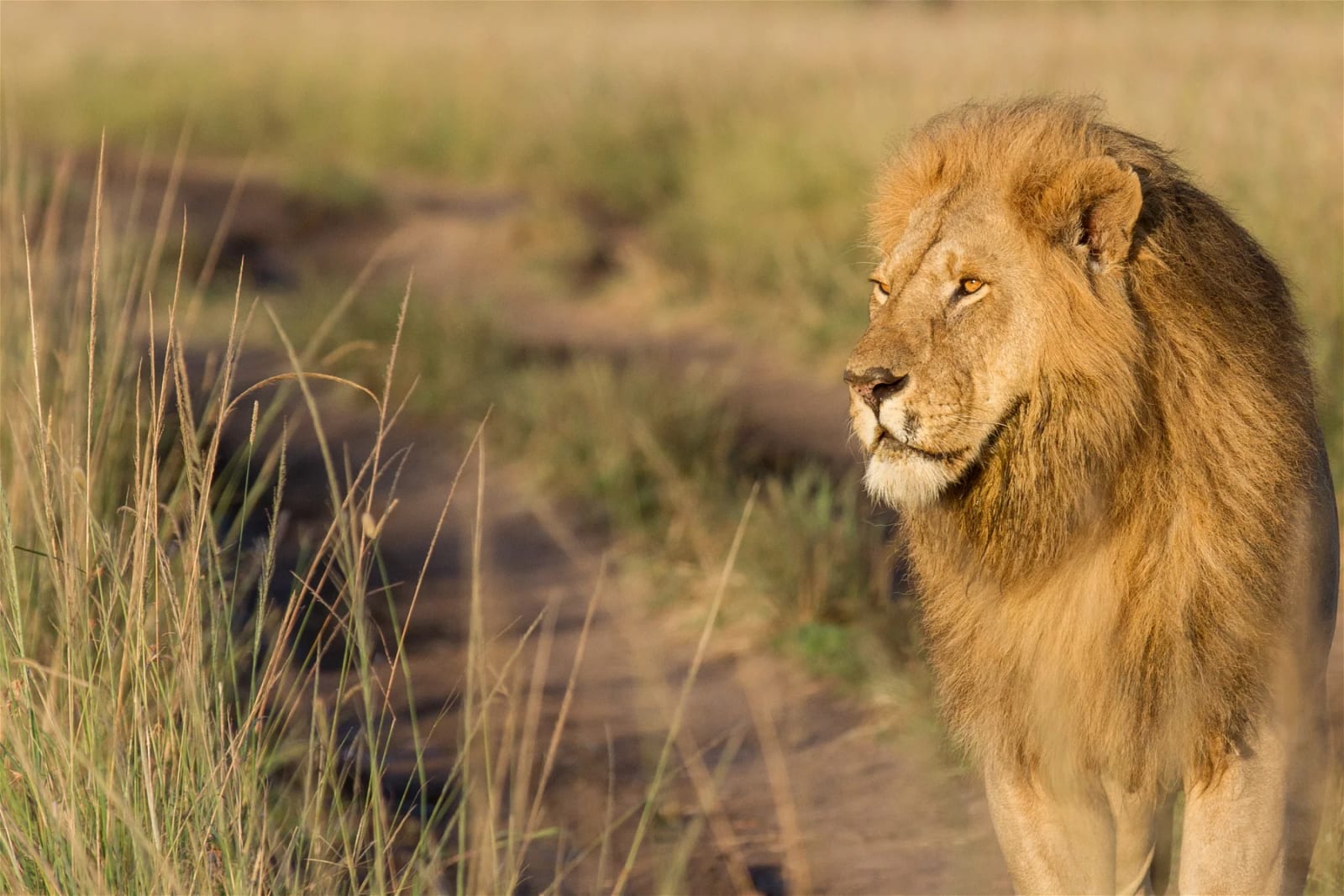
The Masai Mara is home to an incredible diversity of African wildlife, including lions, elephants, leopards, cheetahs, buffalo, zebras, giraffes, wildebeest, and numerous antelope species. The reserve is particularly famous for its large predator populations and the annual Great Migration, where millions of wildebeest and zebras traverse the landscape. You'll also encounter hundreds of bird species throughout the park. The Mara's ecosystem supports one of the highest concentrations of wildlife in Africa, making it ideal for comprehensive game viewing and photography.
The Masai Mara offers excellent wildlife viewing year-round, but the best times depend on what you want to see. The dry season from June to October is peak season when the Great Migration reaches the reserve, offering dramatic river crossings and massive herds. The short rains in November-December and long rains in March-May bring lush vegetation and excellent bird watching, with fewer tourists. The dry season from January to February also provides excellent game viewing with comfortable weather. Each season offers unique advantages, so the 'best' time depends on your specific interests and preferences.
Yes, Mount Kilimanjaro rises majestically on the horizon from Amboseli National Park, creating one of Africa's most iconic and breathtaking backdrops for wildlife viewing. While Kilimanjaro is technically located in Tanzania, Amboseli offers some of the best vantage points for photographing and viewing Africa's tallest peak. The mountain is most clearly visible during the dry season (June-October and January-February) when atmospheric conditions are clearest. This stunning natural backdrop makes Amboseli one of Kenya's most scenic parks for both wildlife and landscape photography.
Tsavo East National Park is one of Africa's largest protected areas, covering vast expanses of pristine wilderness characterized by red earth, diverse ecosystems, and authentic safari atmosphere. Unlike more crowded reserves, Tsavo East offers a more remote and untamed experience with excellent wildlife viewing including elephants, lions, leopards, buffalo, and numerous other species. The park's red volcanic soil, rugged terrain, and lower tourist density create an immersive safari experience that appeals to travelers seeking a deeper connection with African wilderness. The park's size and diversity mean you can encounter different landscapes and wildlife habitats within a single visit.
A comprehensive all-inclusive Kenya safari package typically covers all national park entrance fees, comfortable accommodation throughout your stay, three meals daily (breakfast, lunch, and dinner), private 4x4 safari vehicle with a professional guide, bottled water during game drives, airport transfers, and government taxes. Many packages also include internal flights between destinations to minimize travel time, professional English-speaking guides, and activities like beach safaris. However, exclusions usually include international airfare, travel insurance, visa fees, alcoholic beverages, tips and gratuities, and optional activities. Always review the specific inclusions and exclusions with your operator before booking.
A comprehensive Kenya safari combined with beach relaxation ideally requires 10 days to fully experience multiple parks and coastal destinations without feeling rushed. This duration allows approximately 2 days in the Masai Mara for intensive game viewing, 2 days in Amboseli for wildlife and mountain scenery, 2-3 days in Tsavo East for remote wilderness exploration, and 3 days on the coast for beach relaxation and water activities. Shorter safaris of 5-7 days are possible but typically focus on fewer parks. Longer trips of 12-14 days allow for deeper exploration and more flexibility. The ideal duration depends on your interests, budget, and available vacation time.
Yes, a 4x4 vehicle is essential for safari in Kenya's national parks and reserves. These vehicles are specifically designed for off-road terrain and provide elevated seating that allows excellent wildlife viewing and photography. They're equipped to handle varied terrain from sandy tracks to rocky paths and can navigate through grasslands to follow wildlife. A private 4x4 with a professional guide is standard for safari experiences and is typically included in safari packages. The vehicle's height, open-roof design, and rugged capability make it the only practical and safe option for navigating Kenya's protected areas while maximizing your wildlife viewing opportunities.
Absolutely. Kenya is an excellent choice for first-time safari travelers due to its excellent infrastructure, diverse wildlife viewing opportunities, and well-established tourism industry. A 10-day itinerary combining multiple parks offers varied experiences—from the dramatic wildlife spectacle of the Masai Mara to the scenic beauty of Amboseli and the remote wilderness of Tsavo East. The progression from intensive game viewing to more relaxed pacing helps prevent safari fatigue. The addition of beach time provides a gentler conclusion to the journey. Professional English-speaking guides, comfortable accommodations, and all-inclusive packages make the experience accessible and enjoyable for first-timers while still offering depth for experienced travelers.
Pack neutral-colored, lightweight clothing in layers for game drives (early mornings and evenings can be cool). Include long pants, long-sleeved shirts, a light jacket, and a hat for sun protection. Bring sturdy closed-toe hiking boots, binoculars, and a good camera with extra batteries. For the beach portion, pack swimwear, light summer clothes, sandals, sunscreen, and insect repellent. Essential items include a valid passport, travel documents, any required medications, and toiletries (though many lodges provide basics). Avoid bright colors and patterns that might disturb wildlife. A small day pack, reusable water bottle, and a torch or headlamp are practical additions. Check weather conditions for your specific travel dates and consult your safari operator for detailed packing recommendations.
Transfers between Kenya's national parks are typically handled by light aircraft, which minimizes travel time and allows you to maximize time in each destination. These scenic flights also provide spectacular aerial views of the landscape. Some transfers may be by road depending on the specific itinerary, which offers a more immersive experience of Kenya's diverse terrain and local communities. Road transfers are often scenic and part of the authentic safari experience. All transfers are usually included in all-inclusive packages, and your safari operator will arrange flights and ground transportation seamlessly. The combination of air and road transfers allows for efficient movement while maintaining comfort and safety throughout your journey.
 Gatsio SafarizKampala, Uganda5.0(42 reviews)
© 2026 SafariFind. All rights reserved.
| $4,366 |
| $4,124 |
| $3,881 |
| $3,989 |
| $1,617 |