 1 / 6
1 / 6 10 daysPrivate
10-Day Northern Circuit Safari Expedition
byTrusted
Loading SafariFind...
1 / 6byTrusted
SafariFind app
Keep up with your inquiries and bookings, and message operators wherever you are.

Day 1: Arrival at Kilimanjaro International Airport
Arusha City
Meals: Dinner
Day 2: Arusha – Tarangire National Park
Tarangire National Park
Meals: Breakfast, Lunch, Dinner
Day 3: Tarangire – Lake Manyara National Park
Lake Manyara National Park
Meals: Breakfast, Lunch, Dinner
Day 4: Karatu – Lake Natron
Lake Natron
Meals: Breakfast, Lunch, Dinner
Day 5: Lake Natron Exploration
Lake Natron
Meals: Breakfast, Lunch, Dinner
Day 6: Lake Natron – Northern Serengeti
Serengeti National Park
Meals: Breakfast, Lunch, Dinner
Day 7: Northern Serengeti (Mara River Region)
Serengeti National Park
Meals: Breakfast, Lunch, Dinner
Day 8: Northern Serengeti – Central Serengeti
Serengeti National Park
Meals: Breakfast, Lunch, Dinner
Day 9: Serengeti – Ngorongoro Crater – Karatu
Ngorongoro Crater
Meals: Breakfast, Lunch, Dinner
Day 10: Karatu – Arusha – Departure via Kilimanjaro or Zanzibar Extension
Karatu
Meals: Breakfast
Year Round
Year-round
| Season | Solo traveller | 2 people | 3 – 4 people | 5 – 6 people | 7+ people | Child rate |
|---|---|---|---|---|---|---|
Year Round Year-round | $7,790 | $7,790 | $7,790 | $7,011 | $7,790 | $6,232 |
Child rate applies to travelers under 12 years.
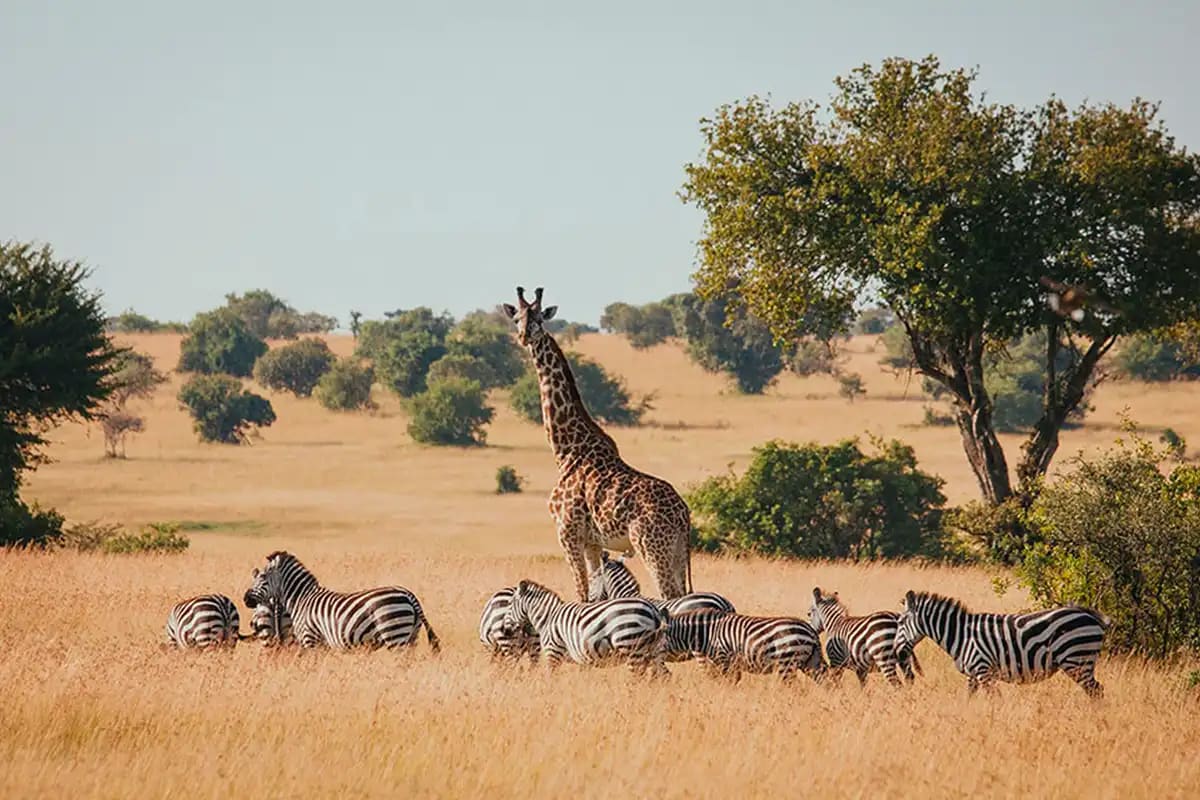
A Tanzania Northern Circuit safari offers exceptional wildlife viewing opportunities across multiple ecosystems. In Tarangire National Park, you'll encounter large elephant herds, buffalo, giraffes, zebras, and various predators including lions and leopards. Lake Manyara is renowned for its tree-climbing lions, flamingos, and diverse bird species. The Serengeti provides opportunities to see the Great Migration (seasonal), along with abundant lions, cheetahs, wildebeest, zebras, and gazelles. The Ngorongoro Crater, the world's largest intact volcanic caldera, hosts a concentrated population of wildlife including rhinos, hyenas, flamingos, and numerous ungulate species. The region's diverse habitats mean you'll experience varied ecosystems and wildlife encounters throughout your journey.
The best time to visit Tanzania depends on your wildlife priorities. The dry season (June to October) offers the best overall game viewing, as animals congregate around water sources, making them easier to spot. This is also when the Great Migration typically occurs in the Northern Serengeti (July-October). The wet season (November to May) is less crowded, offers lush landscapes, and is ideal for birdwatching and seeing newborn animals. December to February features warm weather and good visibility. If witnessing the Great Migration is your priority, plan your visit for July through September. For general wildlife viewing and comfortable conditions, June through October is optimal.
Pack light, neutral-colored clothing suitable for early morning and evening game drives, as well as warm layers for cooler temperatures at higher elevations. Essential items include: wide-brimmed hat, sunglasses, high-SPF sunscreen, insect repellent, binoculars, camera with extra batteries and memory cards, sturdy walking shoes, and comfortable safari boots. Bring medications for common ailments like altitude sickness or traveler's diarrhea. A light rain jacket is advisable even during dry season. Neutral earth tones (khaki, olive, tan) are ideal for wildlife photography. Pack toiletries, though many accommodations provide basics. Remember that most safari vehicles are open-sided, so layering is crucial for temperature changes throughout the day. Avoid bright colors and perfumes that may disturb wildlife.
A 10-day Tanzania safari is considered an ideal duration for experiencing the Northern Circuit comprehensively. This timeframe allows you to spend 2-3 days in each major ecosystem—Tarangire, Lake Manyara, the Serengeti, and Ngorongoro Crater—without feeling rushed. Shorter safaris of 4-5 days can work but limit the number of destinations and depth of wildlife encounters. A 10-day itinerary balances travel time between parks with sufficient game drive hours to maximize wildlife sightings and cultural experiences. This duration also accounts for acclimatization, particularly at higher elevations like the crater rim, and reduces the physical demands of constant travel. For a truly immersive experience with multiple ecosystem exploration, 10 days is optimal.
A comprehensive Tanzania safari package typically includes park entrance fees for all visited national parks and protected areas, accommodation at lodges or camps throughout your journey, three daily meals (breakfast, lunch, and dinner), transportation in a private 4x4 safari vehicle suitable for off-road game drives, and services of a professional English-speaking guide. Most packages provide bottled water during game drives for hydration in the heat. Airport transfers to and from your starting point are usually included, along with government taxes and VAT. However, international airfare, travel insurance, visa fees, alcoholic beverages, tips and gratuities, and personal expenses are typically not included. Optional activities such as hot air balloon rides or cultural visits may incur additional costs. Always verify inclusions and exclusions with your operator before booking.
Visa requirements for Tanzania depend on your nationality. Most international visitors require a visa to enter Tanzania. Many nationalities can obtain a visa on arrival at Julius Nyerere International Airport in Dar es Salaam or at border crossings, though this can be time-consuming. Alternatively, you can apply for an e-visa online before travel through the official Tanzania immigration website, which is often faster and more convenient. Some nationalities are exempt from visa requirements for short stays. It's essential to check the current requirements with the Tanzanian embassy or consulate in your country well in advance of your travel dates, as regulations can change. Ensure your passport is valid for at least six months beyond your intended departure date. Many safari operators can provide guidance on visa requirements as part of your booking process.
Malaria is present in most regions of Tanzania, particularly at lower elevations. The Northern Circuit safari areas, including Tarangire, Lake Manyara, and the Serengeti, are in malaria-endemic zones. Consult your doctor at least 4-6 weeks before travel to discuss antimalarial medication options suitable for your health profile. Common preventive medications include atovaquone-proguanil, doxycycline, or mefloquine. Beyond medication, use comprehensive malaria prevention strategies: sleep under mosquito nets (provided at most accommodations), wear long sleeves and pants during dawn and dusk when mosquitoes are most active, apply insect repellent containing DEET to exposed skin, and stay in air-conditioned or screened accommodations when possible. Higher elevation areas like the Ngorongoro Crater rim have lower malaria risk due to cooler temperatures. Carry a basic medical kit and inform your guide of any symptoms like fever or chills. Travel insurance that covers malaria treatment is highly recommended.
The Ngorongoro Crater is the world's largest intact volcanic caldera, a stunning natural wonder formed by a massive volcanic eruption millions of years ago. Located in northern Tanzania, it measures approximately 19 kilometers in diameter and descends about 600 meters to the crater floor. What makes it exceptionally special for safari is its concentrated wildlife population—the crater floor is essentially a self-contained ecosystem supporting an estimated 25,000 large animals including lions, elephants, buffalo, zebras, wildebeest, hyenas, and the rare black rhino. The crater's unique geology creates distinct habitats: alkaline lakes, grasslands, acacia forests, and highland forests, each supporting different species. The stunning visual landscape—steep crater walls rising dramatically from the floor—creates unforgettable safari experiences. UNESCO designated it a World Heritage Site. Game viewing is often productive because animals have limited space to roam, increasing sighting chances. The crater offers a completely different safari experience compared to open plains like the Serengeti.
Tanzania safari costs vary significantly based on multiple factors. Budget safaris may range from $2,000-$4,000 for a 10-day trip, while mid-range packages typically cost $4,000-$8,000, and luxury experiences can exceed $10,000 per person. Key pricing factors include accommodation quality (budget camps versus luxury lodges), season (peak season June-October is more expensive than shoulder or low seasons), group size (larger groups offer better per-person rates), vehicle type and exclusivity (shared versus private vehicles), guide experience level, and included activities. Park entrance fees, meals, and transportation are typically included in quoted prices, but international flights, travel insurance, visas, and tips are usually extra. Booking during shoulder seasons (March-May or November-December) can offer better value with good wildlife viewing. Requesting detailed quotes that specify what's included helps compare operators fairly. Many reputable operators offer flexible payment plans and package customization to suit different budgets.
The Great Migration is one of Earth's most spectacular natural events, involving approximately 1.5 million wildebeest, zebras, and gazelles moving in a continuous cycle across the Tanzania-Kenya ecosystem in search of fresh grazing and water. In Tanzania, the migration follows a roughly circular annual pattern. From June to July, massive herds move from the Central Serengeti northward toward the Masai Mara in Kenya, crossing the treacherous Grumeti River. By August and September, the herds are concentrated in the Northern Serengeti and Masai Mara. By October-November, they begin their southward migration back to the Central and Southern Serengeti plains, arriving by December. The Southern Serengeti and Ngorongoro ecosystem host the herds from December through May during the calving season. A 10-day Northern Circuit safari visiting the Serengeti during July-October offers excellent chances of witnessing river crossings and massive herds. The migration is driven by rainfall patterns and grass availability, so exact timing varies yearly. This natural phenomenon showcases predator-prey dynamics, as lions, crocodiles, and other predators follow the herds.
© 2026 SafariFind. All rights reserved.