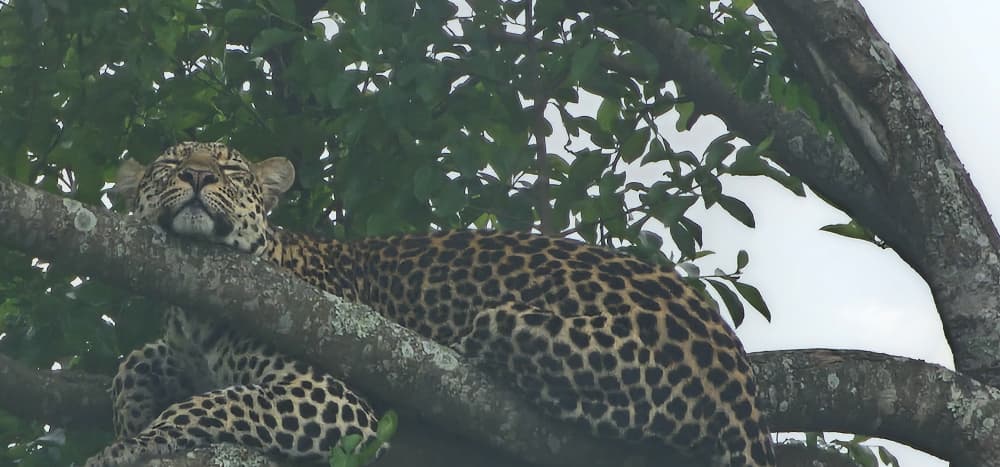
 1 / 5
1 / 5 11 daysPrivate
11-Day Thrilling Safari In Kenya And Uganda
by
Highlights
- Game Drive
Loading SafariFind...
1 / 5by
SafariFind app
Keep up with your inquiries and bookings, and message operators wherever you are.

Arrival In Kenya | Transfer To Your Hotel In Nairobi | Relaxing
Nairobi
Meals: Lunch, Dinner
Transfer To Masai Mara National Park | Maasai Cultural Interaction | Evening Game Drive
Masai Mara National Reserve
Meals: Breakfast, Lunch, Dinner
Optional Hot Air Balloon Safari At 485 USD Per Person | Full Day Game Drive
Masai Mara National Reserve
Meals: Breakfast, Lunch, Dinner
Last Day In Kenya | Travel To Nairobi For Shopping | Transfer To The Airport | Fly To Uganda
Entebbe
Meals: Breakfast, Lunch, Dinner
Travel To Ziwa Rhino Sanctuary | Rhino Tracking | Travel To Murchison Falls National Park | Top Of Falls Tour | Evening Game Drive
Murchison Falls National Park
Meals: Breakfast, Lunch, Dinner
Morning Game Drive | Boat Cruise | Birding | Evening Game Drive
Murchison Falls National Park
Meals: Breakfast, Lunch, Dinner
Transfer To Kibale National Park | Bigodi Community Walk
Kibale Forest National Park
Meals: Breakfast, Lunch, Dinner
Chimpanzee Trekking | Relaxing
Kibale Forest National Park
Meals: Breakfast, Lunch, Dinner
Transfer To Bwindi Impenetrable National Park | Batwa Cultural Interaction
Bwindi Impenetrable Forest
Meals: Breakfast, Lunch, Dinner
Gorilla Trekking | Travel To Lake Bunyonyi With 29 Islands | Optional Activities
Lake Bunyonyi
Meals: Breakfast, Lunch, Dinner
The Last Day With Us | Equator Stopover | Transfer To The Airport | Fly Back Home
Entebbe International Airport
Meals: Breakfast, Lunch
Year Round
Year-round
| Season | Solo traveller | 2 people | 3 – 4 people | 5 – 6 people | 7+ people | Child rate | Single suppl. |
|---|---|---|---|---|---|---|---|
Year Round Year-round | $7,686 | $5,490 | $4,941 | $4,667 | $4,392 | $3,843 | $1,647 |
Child rate applies to travelers under 12 years. Single supplement applies to solo travelers taking their own room.
The Masai Mara National Reserve is home to an incredible variety of wildlife, including the Big Five (lions, elephants, buffalo, leopards, and rhinos), as well as zebras, giraffes, wildebeest, hyenas, cheetahs, and numerous bird species. The reserve's vast plains and diverse habitats support one of the highest concentrations of wildlife in Africa. Your best chances of spotting animals are during early morning and late afternoon game drives when wildlife is most active. The abundance and variety of animals you'll encounter make the Masai Mara one of the premier safari destinations in the world.
Yes, gorilla trekking in Bwindi Impenetrable Forest is generally safe when conducted with experienced, professional guides who follow strict safety protocols. Guides are trained in gorilla behavior and maintain appropriate distances to ensure both human and animal safety. Treks are conducted in small groups with careful monitoring throughout. While the terrain is challenging and the forest is dense, the experience is managed to minimize risks. It's important to be in reasonable physical fitness and follow all guide instructions. Your professional English-speaking guide will brief you thoroughly on safety procedures before your trek begins.
Gorilla trekking permits in Uganda's Bwindi Impenetrable Forest are one of the most expensive permits in Africa, typically ranging from $500 to $1,500 USD per person depending on the season and your nationality. Peak season permits (June to August and December to January) are generally more expensive than low season. This permit grants you access to trek with a habituated gorilla family for approximately one hour. Many safari packages include park entrance fees and permits as part of their all-inclusive pricing, so it's worth confirming what's covered in your package details. The cost reflects the conservation efforts required to protect these endangered primates.
The best time for safari in Kenya and Uganda is during the dry seasons: June to October (long dry season) and January to February (short dry season). During these periods, wildlife congregates around water sources, making animals easier to spot, and vegetation is less dense, improving visibility. June to October is particularly excellent for the Masai Mara as it coincides with the Great Migration. The dry season also offers more comfortable trekking conditions in forests like Kibale and Bwindi, with less mud and better visibility for spotting chimpanzees and gorillas. While the rainy seasons (March to May and November) see fewer tourists and lower prices, wildlife viewing can be more challenging due to dense vegetation and scattered animal populations.
Chimpanzee trekking in Kibale National Park is moderately to highly physically demanding, depending on where the chimps are located on any given day. Treks typically last 2 to 6 hours and involve hiking through dense forest terrain with uneven ground, roots, and steep sections. The humidity and altitude can add to the physical challenge. However, the experience is rewarding and guides adjust pace based on group fitness levels. It's advisable to be in reasonable physical condition, wear sturdy hiking boots, and bring plenty of water. The trek is generally less strenuous than gorilla trekking but still requires stamina and determination. Your professional guide will ensure the pace is manageable for your group.
For an 11-day safari across Kenya and Uganda, pack lightweight, neutral-colored clothing suitable for both warm days and cool evenings (especially in highland areas like Bwindi). Essential items include sturdy hiking boots, a rain jacket, sun protection (hat, sunscreen, sunglasses), binoculars, a camera with extra batteries, and personal medications. Bring long sleeves and pants for forest trekking to protect against insects and vegetation. Toiletries, insect repellent, and a headlamp or flashlight are important. Pack layers as temperatures vary significantly between destinations. Since most meals are included, you won't need to carry extensive food supplies. Check with your operator about specific recommendations, and remember that luggage space on small aircraft may be limited, so pack efficiently.
Visa requirements for Kenya and Uganda depend on your nationality. Many countries' citizens can obtain visas on arrival or through online e-visa systems, while others may need to apply in advance at their respective embassies or consulates. Kenya offers e-visas that can be obtained online before travel, while Uganda also has an e-visa option. It's essential to check the current visa requirements for your specific country of citizenship well before your trip, as regulations can change. Most travelers need a valid passport with at least 6 months validity remaining. Your safari operator can provide guidance, but you should verify official requirements through the Kenyan and Ugandan immigration websites or your nearest embassy.
Recommended vaccinations for Kenya and Uganda typically include yellow fever, typhoid, hepatitis A and B, and routine vaccinations (measles, mumps, rubella, polio, tetanus). Malaria prophylaxis is strongly recommended, especially for lower-altitude areas like the Masai Mara and Murchison Falls. Consult with a travel health clinic or your doctor at least 4 to 6 weeks before your trip, as vaccination recommendations can vary based on specific itineraries and personal health history. Yellow fever vaccination may be required for entry into Uganda if you're arriving from certain countries. While vaccinations are not typically included in safari packages, they are crucial for your health and safety. Always seek professional medical advice tailored to your individual circumstances.
An 11-day safari is an excellent duration for experiencing both Kenya and Uganda comprehensively. This timeframe allows you to spend quality time in multiple destinations—such as the Masai Mara, Ziwa Rhino Sanctuary, Murchison Falls, Kibale Forest, Bwindi Impenetrable Forest, and Lake Bunyonyi—without feeling rushed. With 11 days, you can participate in multiple game drives, forest treks, and wildlife experiences while also allowing time for travel between locations and acclimatization. Shorter safaris (3 to 5 days) focus on one or two destinations, while 11 days provides a more immersive, multi-destination experience. This duration balances comprehensive wildlife viewing with reasonable travel time and accommodation changes.
An all-inclusive safari package typically covers accommodations throughout your journey, all meals (breakfast, lunch, and dinner), park entrance fees, professional guide services, transportation during game drives and between destinations, and basic amenities like bottled water during activities. Many packages also include airport transfers and government taxes. However, all-inclusive packages generally exclude international flights, travel insurance, visa fees, alcoholic beverages, tips and gratuities, personal expenses, and optional activities. Some packages may not cover travel vaccinations or health-related costs. It's important to review your specific package inclusions and exclusions carefully before booking to understand what's covered and what additional costs you might incur during your safari.
© 2026 SafariFind. All rights reserved.

