12 daysPrivate
12-Day Great Migration River Crossing
by
Highlights
- Witness the Great Migration
- Guided Game Drive
Loading SafariFind...
by
SafariFind app
Keep up with your inquiries and bookings, and message operators wherever you are.

Day 1
Arusha City
Meals: Dinner
Day 2
Tarangire National Park
Meals: Breakfast, Lunch, Dinner
Day 3
Ngorongoro Crater
Meals: Breakfast, Lunch, Dinner
Day 4
Central Serengeti National Park
Meals: Breakfast, Lunch, Dinner
Day 5
Northern Serengeti National Park
Day 6
Masai Mara National Reserve
Meals: Breakfast, Lunch, Dinner
Day 7
Jomo Kenyatta International Airport
Meals: Breakfast, Lunch
Year Round
Jun 2026 – Nov 2026
| Season | 3 – 4 people |
|---|---|
Year Round Jun 2026 – Nov 2026 | $6,063 |
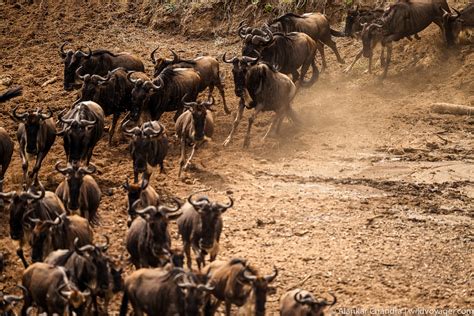
The Serengeti and Masai Mara are home to Africa's most diverse wildlife populations. You can expect to see the Big Five—lions, elephants, buffalo, leopards, and rhinoceros—along with zebras, wildebeest, giraffes, hyenas, cheetahs, and numerous antelope species. The region supports over 500 bird species, making it exceptional for birdwatchers as well. During the Great Migration season (typically July to October), you'll witness massive herds of wildebeest and zebras moving across the plains in search of fresh grazing lands, creating one of nature's most dramatic spectacles.
The Great Migration's timing varies by location and season. In the Serengeti, the migration typically occurs from December to July, with the dramatic river crossings at the Grumeti River happening around May to June. When the herds move into Kenya's Masai Mara, the Mara River crossings usually take place from July through October. The best time to witness these crossings depends on which river crossing you want to see, but July to September offers the highest probability of witnessing these thrilling moments. However, migration patterns can vary yearly based on rainfall, so it's worth checking with local guides for current conditions.
The Ngorongoro Crater is one of the world's largest intact volcanic calderas, located in northern Tanzania. Descending into this natural wonder reveals a self-contained ecosystem supporting an estimated 25,000 large animals, including lions, elephants, buffalo, zebras, and wildebeest. The crater floor is incredibly fertile, creating a unique landscape where diverse wildlife concentrates in a relatively small area, offering exceptional game viewing opportunities. The crater's walls rise dramatically around you, creating a stunning natural amphitheater. It's a UNESCO World Heritage Site and is often called the 'Eighth Wonder of the World,' making it an unmissable highlight of any East African safari.
A comprehensive East African safari covering both Tanzania and Kenya typically requires 10 to 14 days to fully experience the major destinations and wildlife viewing opportunities. A 12-day itinerary allows sufficient time to explore multiple national parks and reserves, including Tarangire, Ngorongoro, the Serengeti, and the Masai Mara, while minimizing travel fatigue and maximizing wildlife encounters. This duration provides a good balance between experiencing diverse ecosystems and having realistic travel and rest days. Shorter safaris (5-7 days) are possible but limit you to one or two destinations, while longer safaris (14+ days) allow for more leisurely pacing and deeper exploration.
For a 12-day safari in Tanzania and Kenya, pack lightweight, neutral-colored clothing in earth tones (khaki, tan, green) that blend with the environment and help avoid attracting insects. Bring layers, as mornings and evenings can be cool despite daytime heat. Essential items include a wide-brimmed hat, high-SPF sunscreen, sunglasses, and insect repellent. Comfortable walking shoes and closed-toe hiking boots are important for game drives and crater walks. Pack binoculars for wildlife viewing, a camera with extra batteries and memory cards, and any personal medications. Bring a light rain jacket for the rainy seasons. Toiletries, a headlamp or flashlight, and a power bank are also practical. Remember that you'll have laundry services at most lodges, so you don't need to pack for every single day.
Visa requirements for Tanzania and Kenya depend on your nationality. Many countries' citizens can obtain visas on arrival at the airport in both countries, though this varies by passport. Some nationalities qualify for e-visas, which can be obtained online before travel. It's essential to check the official government websites for Tanzania and Kenya or consult your travel agent well in advance of your trip, as visa policies can change. Most visitors will need a valid passport with at least six months validity remaining. Some nationalities may be exempt from visa requirements for short stays, so verify your specific situation early in your travel planning process.
Tarangire National Park, located in northern Tanzania, is renowned as one of Africa's premier elephant destinations. The park is home to the largest elephant concentration in Tanzania, with thousands of elephants roaming the plains, particularly during the dry season (June to November). The park's name comes from the Tarangire River, which is a crucial water source that attracts diverse wildlife during dry periods. Beyond elephants, you'll find lions, leopards, buffalo, zebras, giraffes, and numerous antelope species. The landscape features distinctive baobab trees scattered across the savannah, creating iconic African scenery. Tarangire offers excellent game viewing with fewer tourists compared to the Serengeti, making it a rewarding addition to any East African safari.
Safari tourism in Tanzania and Kenya is generally considered safe when undertaken with established, reputable operators and following standard travel precautions. The major national parks and reserves have well-developed infrastructure and experienced guides trained in wildlife safety. Most safari operators have excellent safety records and follow strict protocols for wildlife encounters. That said, it's wise to check current travel advisories from your government before booking, purchase comprehensive travel insurance, and follow your guide's instructions carefully during game drives and activities. Stick to designated areas, avoid traveling alone in unfamiliar regions, and keep valuables secure. Working with established tour operators and staying in recognized accommodations significantly enhances your safety during a safari experience.
Before traveling to Tanzania and Kenya for a safari, consult with a travel health clinic 4-6 weeks before departure. Malaria is present in these regions, so antimalarial medication is typically recommended—your doctor will advise based on the specific areas you're visiting and your medical history. Vaccinations for yellow fever, typhoid, hepatitis A, and routine immunizations are often recommended. Ensure your routine vaccinations (MMR, tetanus, etc.) are current. Pack a comprehensive travel medical kit including insect repellent with DEET, antimalarial medication if prescribed, antihistamines, and any personal medications. Practice good hygiene, drink bottled or purified water, and be cautious with food from street vendors. Consider travel insurance that covers medical evacuation. Check official health advisories from the CDC or WHO for the most current recommendations before your trip.
The cost of a 12-day East African safari varies significantly based on accommodation level, season, and operator. Budget safaris typically range from $3,000 to $5,000 per person, mid-range options from $5,000 to $10,000, and luxury safaris from $10,000 to $25,000 or more. Peak season (July-October) generally costs more than shoulder seasons. The price usually includes park entrance fees, accommodation, meals, professional guides, and game drives. However, international flights, travel insurance, visas, tips, and alcoholic beverages are typically not included. Traveling during shoulder seasons or booking well in advance can help reduce costs. It's important to compare what's included in different packages and choose an operator that offers good value while maintaining high standards of service and wildlife conservation.
 GoExplore SafarisKampala, Uganda4.8(85 reviews)
© 2026 SafariFind. All rights reserved.

Meals: Breakfast, Lunch, Dinner