 1 / 81 / 8
Loading SafariFind...
1 / 8Arrival in Tanzania - Arusha
Arusha
Meals: Dinner
Tarangire National Park
Tarangire National Park
Meals: Breakfast, Lunch, Dinner
Serengeti National Park
Serengeti National Park
Meals: Breakfast, Lunch, Dinner
Serengeti Game Drives & Great Migration
Serengeti National Park
Meals: Breakfast, Lunch, Dinner
Serengeti Hot Air Balloon Safari
Serengeti National Park
Meals: Breakfast, Lunch, Dinner
Ngorongoro Crater
Ngorongoro Crater
Meals: Breakfast, Lunch, Dinner
Lake Manyara National Park
Lake Manyara National Park
Meals: Breakfast, Lunch, Dinner
Lake Eyasi
Lake Eyasi
Meals: Breakfast, Lunch, Dinner
Materuni Waterfalls
Materuni Waterfalls
Meals: Breakfast, Lunch, Dinner
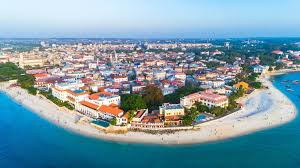
Zanzibar Beach Relaxation & Water Activities
Zanzibar Island
Meals: Breakfast, Lunch, Dinner
Zanzibar Spice Island Tour & Cultural Exploration
Zanzibar Island
Meals: Breakfast, Lunch, Dinner
Departure from Zanzibar
Zanzibar Island
Meals: Breakfast
Tanzania's safari destinations are home to an incredible variety of wildlife. In Tarangire National Park, you'll encounter large elephant herds, buffalo, zebras, wildebeest, and various antelope species. The Serengeti National Park offers opportunities to spot the Big Five—lions, leopards, cheetahs, elephants, and buffalo—along with giraffes, hyenas, wild dogs, and countless bird species. The Ngorongoro Crater, a UNESCO World Heritage Site, is particularly famous for its concentrated wildlife population, where you can see all of the Big Five within this natural amphitheater. The best wildlife viewing typically occurs during the dry season (June to October and January to February) when animals congregate around water sources.
The best time to visit Tanzania for a safari depends on what you want to experience. The dry season from June to October is ideal for wildlife viewing, as animals gather around water sources, making them easier to spot. This period also offers the most comfortable game drive conditions with cooler temperatures and minimal rain. January to February is another excellent window during the short dry season, with fewer tourists and lush landscapes. If you want to witness the Great Migration in the Serengeti—where massive herds of wildebeest and zebras move across the plains—the best time is July to October. The rainy season (November to May) is less popular for safaris but offers greener scenery, lower prices, and fewer crowds.
Packing appropriately for a Tanzania safari ensures comfort and safety during your adventure. Essential items include lightweight, neutral-colored clothing (khaki, tan, and green blend in with the landscape), a warm layer for early morning game drives when temperatures drop, sturdy closed-toe hiking boots, and a wide-brimmed hat for sun protection. Bring high-SPF sunscreen, insect repellent with DEET to protect against mosquitoes, and any personal medications. A good camera with a telephoto lens is invaluable for wildlife photography. Other essentials include binoculars, a flashlight or headlamp, toiletries, and any prescription glasses or contacts. Pack light and efficiently, as luggage space in safari vehicles is limited. Avoid bright colors and perfumes, which can attract insects and disturb wildlife during game drives.
A Tanzania safari can range from 3 to 14 days depending on your interests and budget. A 3 to 4-day safari provides a good introduction to one or two parks, such as Tarangire and the Ngorongoro Crater. A 5 to 7-day safari allows you to explore multiple destinations including the Serengeti, offering a more comprehensive wildlife experience and better chances of spotting diverse animals. A 10 to 12-day safari, like the Ultimate Tanzania Safari & Zanzibar Beach Escape, gives you ample time to thoroughly explore Northern Tanzania's major parks—Tarangire, Serengeti, and Ngorongoro Crater—while also enjoying a beach relaxation component. Longer safaris increase your odds of witnessing dramatic wildlife encounters and allow for a more immersive cultural and natural experience without feeling rushed.
Yes, the Ngorongoro Crater is absolutely worth visiting and is one of Tanzania's most spectacular destinations. This UNESCO World Heritage Site, often called 'Africa's Garden of Eden,' is a massive volcanic crater that functions as a natural sanctuary for wildlife. The crater's unique ecosystem supports an estimated 25,000 large animals, including the Big Five, within its 8,292 square kilometers. The concentration of wildlife in this enclosed area makes it one of the best places in Africa for wildlife viewing, with excellent chances of spotting lions, elephants, buffalo, leopards, and rhinoceros. The stunning natural landscape, combined with the opportunity to see diverse wildlife in a single location, makes it an unforgettable experience. The crater also offers cultural encounters with the Maasai people who live on the crater rim, adding a rich cultural dimension to your safari experience.
A comprehensive Tanzania safari package typically includes several key components. Most packages cover all national park entrance fees, professional English-speaking guides with extensive wildlife knowledge, accommodation throughout your journey, all meals (breakfast, lunch, and dinner), and transportation in a private 4x4 safari vehicle equipped for game drives. Bottled water during game drives and airport transfers are usually included to ensure your comfort and convenience. Government taxes and VAT are typically incorporated into the quoted price. However, items usually not included are international airfare, travel insurance, visa fees, alcoholic beverages, tips and gratuities for guides and staff, personal expenses, optional activities, and travel vaccinations. It's important to clarify what's included when booking to avoid unexpected costs and to budget accordingly for exclusions.
Visa requirements for Tanzania depend on your nationality. Many countries' citizens can obtain a visa on arrival at Tanzanian airports, while others can apply for an e-visa online before travel. Some nationalities may be exempt from visa requirements for short stays. It's essential to check the current visa requirements with the Tanzanian embassy or consulate in your country well before your travel date, as regulations can change. You'll typically need a valid passport with at least six months of validity remaining beyond your travel dates. Additionally, Tanzania may require proof of yellow fever vaccination if you're arriving from certain countries, so consult your healthcare provider about necessary vaccinations before your trip. Starting the visa application process early ensures a smooth travel experience and prevents any last-minute complications.
While specific vaccination requirements depend on your medical history and the regions you're visiting, certain vaccinations are commonly recommended for Tanzania travel. Yellow fever vaccination is frequently required or strongly recommended, particularly if you're arriving from endemic countries. Malaria prevention is crucial, as the disease is present in Tanzania, especially at lower altitudes. Consult a travel medicine specialist or your healthcare provider at least 4-6 weeks before your trip to discuss malaria prophylaxis options suitable for your health profile. Other vaccinations typically recommended include those for hepatitis A and B, typhoid, and routine immunizations (measles, mumps, rubella, tetanus, and polio). Your doctor may also recommend vaccinations based on your personal health history and the specific regions you'll visit. It's important to obtain professional medical advice tailored to your situation rather than relying on general guidance, as vaccination recommendations can vary.
The cost of a Tanzania safari varies significantly based on several factors including the duration, time of year, accommodation level, and whether it's a group or private tour. Budget safaris typically range from $1,500 to $3,000 for a 3 to 4-day experience, while mid-range safaris cost between $3,000 and $6,000 for 5 to 7 days. Luxury safaris can exceed $10,000 for a week or more. A comprehensive 10 to 12-day safari combining multiple parks and a beach component generally falls in the mid-range to upper-range pricing. Peak season (June to October) is more expensive than shoulder or low seasons. Package inclusions significantly affect pricing—comprehensive packages that cover accommodation, meals, guides, park fees, and transportation offer better value than those requiring separate payments for these services. Booking directly with reputable operators, traveling during low season, or joining group tours can help reduce costs. Always compare what's included in quoted prices to ensure you're getting true value for your investment.
Yes, combining a safari with a beach vacation is an excellent way to experience Tanzania's full range of attractions. Zanzibar, an archipelago off Tanzania's coast, offers pristine beaches, crystal-clear waters, and a rich cultural heritage, making it the perfect complement to an action-packed safari. A typical itinerary spends 7 to 10 days on safari exploring Tarangire, Serengeti, and Ngorongoro Crater, then transitions to 2 to 4 days of beach relaxation on Zanzibar's white-sand beaches. This combination allows you to experience Tanzania's diverse offerings—from thrilling wildlife encounters and dramatic landscapes to tropical relaxation and water activities like snorkeling and diving. The transition from safari to beach also provides a nice rhythm to your trip, allowing you to recover from the intensity of game drives while still making the most of your time in Tanzania. Most tour operators can arrange seamless transfers between safari destinations and Zanzibar, making this combination both practical and incredibly rewarding.
© 2026 SafariFind. All rights reserved.