 1 / 8
1 / 8 13 daysprivate
13-Day Tanzania Safari and Zanzibar beach excursion
by
Highlights
- Spot the "Big Five" across the Serengeti, Ngorongoro Crater, and Tarangire’s baobab-filled landscape
Loading SafariFind...
1 / 8by
Arrival in Arusha
Abeid Amani Karume International Airport
Meals: Lunch, Dinner
Tarangire National Park Discovery
Tarangire National Park
Meals: Breakfast, Lunch, Dinner
Journey to Ngorongoro Crater
Ngorongoro Crater
Meals: Breakfast, Lunch, Dinner
Ngorongoro Crater Game Drive
Ngorongoro Crater
Meals: Breakfast, Lunch, Dinner
Departure for the Serengeti
Serengeti National Park
Meals: Breakfast, Lunch, Dinner
Serengeti Full Day Safari
Serengeti National Park
Meals: Breakfast, Lunch, Dinner
Serengeti Wildlife & Photography
Serengeti National Park
Meals: Breakfast, Lunch, Dinner
Serengeti Extended Exploration
Serengeti National Park
Meals: Breakfast, Lunch, Dinner
Serengeti to Zanzibar Transition
Zanzibar
Meals: Breakfast, Lunch, Dinner
Zanzibar Beach & Water Activities
Zanzibar
Meals: Breakfast, Lunch, Dinner
Stone Town Cultural Exploration
Zanzibar
Meals: Breakfast, Lunch, Dinner
Zanzibar Leisure & Relaxation
Zanzibar
Meals: Breakfast, Lunch, Dinner
Departure from Zanzibar
Abeid Amani Karume International Airport
Meals: Breakfast
High Season
Jun 2026 – Oct 2026
Low Season
Nov 2026 – May 2027
| Season | Solo traveller | 2 people | 3 – 4 people | 5 – 6 people | 7+ people | Child rate | Single suppl. |
|---|---|---|---|---|---|---|---|
High Season Jun 2026 – Oct 2026 | $9,390 | $6,260 | $5,634 | $5,321 | $5,008 | $4,382 | $1,878 |
Low Season Nov 2026 – May 2027 | $7,982 | $5,321 |
Child rate applies to travelers under 12 years. Single supplement applies to solo travelers taking their own room.
Tarangire National Park is renowned as one of Tanzania's premier wildlife destinations, particularly famous for hosting the largest concentration of African elephants outside of national parks. Beyond elephants, you can expect to see lions, leopards, buffalo, giraffes, zebras, wildebeest, and numerous antelope species including impalas and Grant's gazelles. The park's diverse ecosystem also supports over 300 bird species, making it excellent for birdwatchers. The Tarangire River serves as a vital water source, especially during the dry season, which concentrates wildlife viewing opportunities along its banks.
The Great Migration in the Serengeti is a year-round phenomenon, but the timing varies by season. The main migration typically occurs from June to October when massive herds move from the southern plains to the northern regions in search of fresh grazing. However, the southern Serengeti offers excellent wildlife viewing from November to May during the calving season. If witnessing the dramatic river crossings is your priority, plan for July through September when the herds cross the Grumeti and Mara rivers. The best time ultimately depends on which specific wildlife events and experiences interest you most.
The Ngorongoro Crater is a UNESCO World Heritage Site and one of Africa's most remarkable natural wonders. This massive volcanic caldera, formed millions of years ago, spans approximately 19 kilometers across and descends about 600 meters to the crater floor. What makes it exceptional for safari is its incredible concentration of wildlife—it hosts the highest density of big game in Africa within a contained ecosystem. The crater floor supports an estimated 25,000 large animals including lions, elephants, buffalo, rhinos, and countless herbivores. The crater's unique geography creates a self-contained habitat where animals rarely leave, making wildlife viewing highly reliable and concentrated in one location.
A comprehensive Tanzania safari typically requires 7 to 10 days to experience the major parks meaningfully. A 13-day itinerary allows you to explore multiple key destinations—such as Tarangire, Ngorongoro Crater, and the Serengeti—while also including time for an extended Serengeti experience and a beach relaxation component. Shorter safaris of 3 to 5 days can work if you focus on one or two parks, but this limits your wildlife viewing variety. The longer duration ensures you have adequate game drive time, reduce travel fatigue, and experience different ecosystems and wildlife viewing opportunities across Tanzania's diverse landscape.
While travel insurance is not legally required for entry into Tanzania, it is highly recommended for all safari travelers. Comprehensive travel insurance should cover medical emergencies, evacuation, trip cancellations, lost baggage, and travel delays. Tanzania's remote safari locations can be far from major medical facilities, making emergency evacuation insurance particularly valuable. Additionally, insurance protects your significant financial investment in case of unexpected circumstances. Check that your policy covers activities you plan to undertake, including game drives and water sports if you're extending to a beach component. Always review policy details carefully and ensure coverage is appropriate for your destination and activities.
For the safari portion, pack neutral-colored, lightweight clothing in earth tones (khaki, tan, green) that blend with the landscape and don't attract insects. Bring long sleeves and pants for sun and insect protection, a warm fleece or jacket for early morning and evening game drives, and sturdy closed-toe hiking boots. Essential items include a wide-brimmed hat, sunscreen, sunglasses, and binoculars. For the beach component in Zanzibar, pack swimwear, light cotton clothing, reef-safe sunscreen, and water shoes. Both portions require a good camera with extra batteries and memory cards. Don't forget medications, a basic first-aid kit, and any prescription medications. Consider a small daypack for game drives and a larger suitcase for accommodation. Check luggage weight restrictions for internal flights between safari destinations and the island.
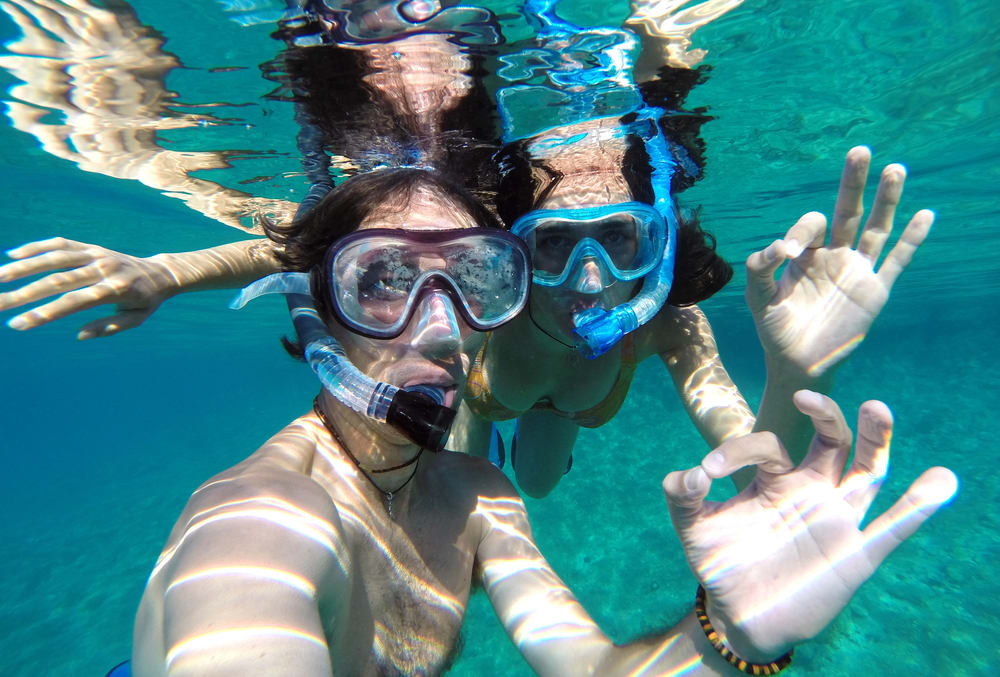
Zanzibar offers far more than just beach time. Stone Town, the island's historic heart, is a UNESCO World Heritage Site featuring narrow winding streets, traditional Swahili architecture, historic palaces, and bustling spice markets where you can learn about the island's rich trading history. Water-based activities include snorkeling and diving at nearby coral reefs teeming with tropical fish and marine life, dhow sailing at sunset, and visits to nearby islands. You can explore spice plantations that made Zanzibar famous as the 'Spice Island,' visit local fishing villages, or relax in beach bars and restaurants serving fresh seafood. Cultural experiences include visiting local markets, attending traditional music performances, and interacting with Zanzibari communities. The combination of cultural exploration, water sports, and relaxation makes Zanzibar an ideal complement to an intensive safari experience.
Visa requirements for Tanzania depend on your nationality and are subject to change. Many nationalities can obtain a visa on arrival at Tanzanian airports, while others must arrange it in advance through a Tanzanian embassy or consulate. Some countries qualify for e-visa applications through Tanzania's online system. Your passport must be valid for at least six months beyond your intended stay. It's essential to check the current visa requirements with the Tanzanian immigration authority or your nearest embassy well before your trip, as regulations can change. Additionally, ensure your passport has sufficient blank pages for stamps. If you're combining your Tanzania safari with visits to other countries, verify visa requirements for those destinations as well.
For the best experience and availability, book a Tanzania safari 2 to 3 months in advance, though 4 to 6 months is ideal during peak seasons (June to October and December to February). Booking early ensures you secure preferred accommodation, better vehicle availability, and potentially better rates. During shoulder seasons (March to May and November), you may find more availability and competitive pricing with shorter booking windows. However, if you're flexible with dates and don't mind limited accommodation choices, last-minute bookings are sometimes possible. Consider booking even earlier if you have specific preferences regarding lodge type, guide selection, or if you're traveling during school holidays or major holidays when demand peaks. Early booking also provides time to arrange visas, travel insurance, and necessary vaccinations.
Consult with a travel medicine professional at least 4 to 6 weeks before your trip, as recommendations depend on your medical history and specific itinerary. Yellow fever vaccination is often recommended and may be required depending on your origin country. Malaria prophylaxis is typically advised for most Tanzania destinations, particularly lower-altitude areas like the Serengeti and Zanzibar. Vaccinations for typhoid, hepatitis A and B, and routine immunizations are commonly recommended. Ensure your tetanus protection is current. Practice mosquito avoidance measures including insect repellent with DEET, long sleeves during dawn and dusk, and bed nets. Drink only bottled or purified water, and practice good food hygiene. Travel insurance that covers medical emergencies is highly recommended. Check current health advisories from your government's health authority before departure, as disease prevalence can vary seasonally.
© 2026 SafariFind. All rights reserved.

| $4,789 |
| $4,523 |
| $4,257 |
| $4,382 |
| $1,878 |
