 1 / 5
1 / 5 13 daysPrivate
13-Day Tour Of Uganda's Top Tourist Attractions
by
Highlights
- Gorilla Trekking
Loading SafariFind...
1 / 5by
SafariFind app
Keep up with your inquiries and bookings, and message operators wherever you are.

Arrival In Uganda | Equator Stopover | Transfer To Lake Mburo National Park | Evening Game Drive
Meals: Lunch, Dinner
Walking Safari | Optional Activities (Biking Or Horse Riding Safari) | Travel To Bwindi Impenetrable National Park| Transfer To Bwindi Impenetrable National Park | Relaxing
Meals: Breakfast, Lunch, Dinner
Gorilla Trekking | Batwa Cultural Interaction
Meals: Breakfast, Lunch, Dinner
Travel To Ishasha Sector | Transfer To Queen Elizabeth National Park | Game Drive
Meals: Breakfast, Lunch, Dinner
Morning Game Drive | Boat Ride | Evening Game Drive
Meals: Breakfast, Lunch, Dinner
Travel To Fort Portal | Hiking | Explore The Crater Lakes | Visit Amabere Ga Nyina Mwiru Caves
Meals: Breakfast, Lunch, Dinner
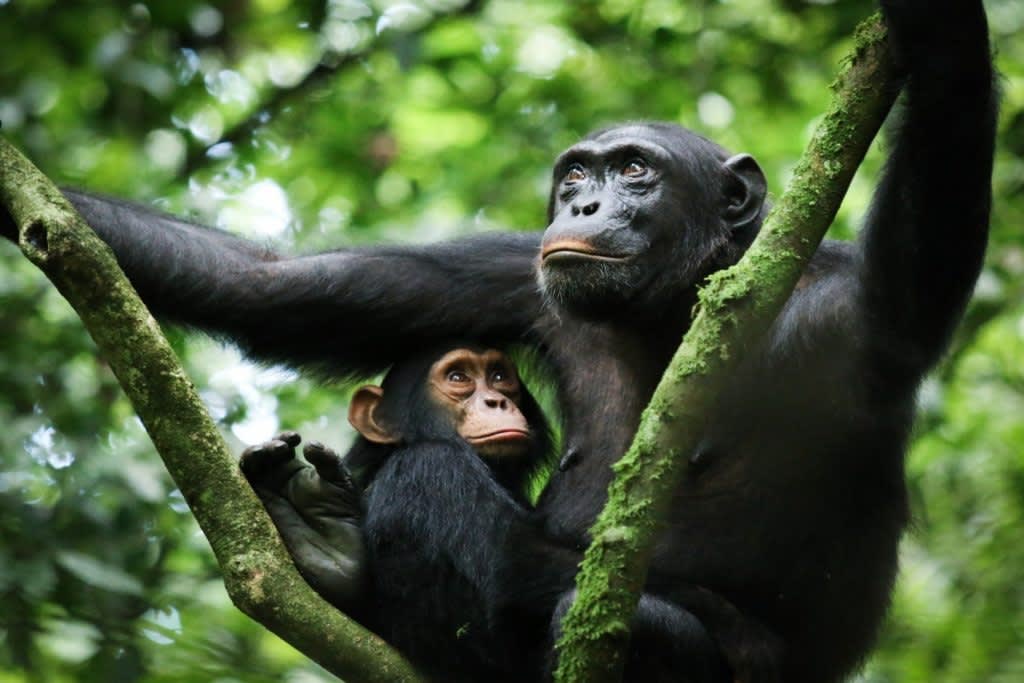
Transfer To Kibale National Park | Chimpanzee Trekking | Visit Sempaya Hot Springs
Meals: Breakfast, Lunch, Dinner
Transfer To Murchison Falls National Park | Evening Game Drive
Meals: Breakfast, Lunch, Dinner
Morning Game Drive | Boat Cruise | Birding | Evening Game Drive
Meals: Breakfast, Lunch, Dinner
Top Of Falls Tour | Travel To Ziwa Rhino Sanctuary | Rhino Tracking | Transfer To Kampala | Relaxing
Meals: Breakfast, Lunch, Dinner
Travel To Jinja | White Water Rafting While Discovering The Nile | Relaxing
Meals: Breakfast, Lunch, Dinner
Relaxing | Optional Activities
Meals: Breakfast, Lunch, Dinner
The Last Day With Us | Transfer To The Airport | Fly Back Home
Meals: Breakfast, Lunch
Year Round
Year-round
| Season | Solo traveller | 2 people | 3 – 4 people | 5 – 6 people | 7+ people | Child rate | Single suppl. |
|---|---|---|---|---|---|---|---|
Year Round Year-round | $6,261 | $4,816 | $4,334 | $4,094 | $3,853 | $3,371 | $1,445 |
Child rate applies to travelers under 12 years. Single supplement applies to solo travelers taking their own room.
Uganda is home to an incredibly diverse range of wildlife. On a Ugandan safari, you can expect to see mountain gorillas in their natural habitat, chimpanzees, rhinoceros at dedicated sanctuaries, and various game animals during guided drives in national parks like Murchison Falls. Murchison Falls National Park is particularly known for its populations of elephants, buffalo, lions, giraffes, antelopes, and numerous bird species. The country's varied ecosystems support over 1,000 bird species, making it a paradise for birdwatchers as well. Uganda's unique position as a transitional zone between East and Central Africa means you'll encounter wildlife species from both regions.
Yes, gorilla trekking in Uganda is generally safe when conducted with experienced guides and proper precautions. Visitors trek through dense forest to locate habituated gorilla families in their natural environment. The experience typically involves hiking through misty mountains, which can be physically demanding but incredibly rewarding. You'll spend time observing these magnificent creatures up close while maintaining a safe distance. It's essential to be in reasonably good physical condition, wear appropriate footwear, and follow all guidelines provided by your guide. The trek duration varies but usually lasts 2-6 hours depending on where the gorillas are located that day. This is considered one of the most transformative wildlife experiences in the world.
Uganda can be visited year-round, but the best times for safari activities are during the dry seasons: June to August and December to February. These periods offer the most reliable wildlife viewing as animals congregate around water sources, and vegetation is less dense, making spotting easier. The dry seasons also provide better conditions for gorilla and chimpanzee trekking, with less muddy trails and clearer visibility. However, Uganda's equatorial climate means rain is possible at any time. The rainy seasons (March to May and September to November) see fewer tourists, lower prices, and lush landscapes, though some roads may be more challenging. For specific activities like boat rides on the Nile, any season works, though dry season generally offers more comfortable conditions.
A 13-day safari is an excellent duration for experiencing Uganda's top attractions comprehensively. This timeframe allows you to visit multiple destinations including gorilla trekking sites, chimpanzee habitats, Murchison Falls National Park for game drives, Ziwa Rhino Sanctuary for rhino encounters, and the Nile River in Jinja for water activities and visits to the Nile's source. Shorter safaris of 5-7 days can cover some highlights but may feel rushed. A 13-day itinerary provides sufficient time for travel between destinations, acclimatization, and meaningful wildlife encounters without excessive fatigue. It also allows flexibility for weather delays or extended time in particularly rewarding locations. Longer safaris of 14+ days enable deeper exploration and more relaxed pacing.
Packing appropriately is crucial for a comfortable Uganda safari experience. Essential items include: lightweight, breathable clothing in neutral colors (avoid bright colors that startle wildlife), a waterproof jacket or rain poncho for sudden downpours, sturdy hiking boots with good ankle support for trekking, binoculars for wildlife viewing, a wide-brimmed hat and sunscreen for sun protection, and insect repellent containing DEET. Bring layers as temperatures vary with elevation and time of day. Pack a camera with extra batteries and memory cards. Include personal toiletries, prescription medications, and a basic first-aid kit. Binoculars are invaluable for bird watching and distant wildlife. Neutral-colored clothing helps you blend into the environment during gorilla and chimpanzee treks. Don't overpack, as luggage space may be limited on internal flights between destinations.
While specific vaccination requirements depend on your home country and Uganda's current health regulations, most travelers are advised to be vaccinated against yellow fever, typhoid, and hepatitis A before visiting Uganda. Malaria prophylaxis is typically recommended, especially for lower-altitude areas. It's essential to consult with a travel health clinic 4-6 weeks before your trip for personalized medical advice. Travel insurance is highly recommended and should cover medical emergencies, evacuation, trip cancellation, and lost luggage. Many travel insurance policies offer adventure activity coverage, which is important if you're trekking or engaging in water sports. Check that your insurance covers activities like gorilla trekking and river activities. Always verify current health requirements with your healthcare provider and the Ugandan embassy or consulate, as these can change.
A comprehensive Uganda safari package typically includes park entrance fees to national parks and sanctuaries, allowing you to access all major attractions. Accommodation is provided throughout the duration, ranging from budget to mid-range lodges depending on the package level. Most packages include all meals (breakfast, lunch, and dinner), eliminating the need to search for restaurants and ensuring dietary consistency. A professional English-speaking guide accompanies you throughout, providing expertise on wildlife, culture, and destinations. Bottled water is usually provided during game drives to keep you hydrated. Government taxes and VAT are typically incorporated into the quoted price. Airport transfers are usually included for convenience. However, international airfare, travel insurance, visa fees, alcoholic beverages, tips for guides, and optional activities are generally excluded and should be budgeted separately.
Uganda safari costs vary significantly based on several factors. Budget safaris typically range from $1,500-$3,000 for 13 days, while mid-range packages cost $3,000-$6,000, and luxury safaris can exceed $6,000+. Key factors affecting price include accommodation quality (budget hostels vs. luxury lodges), season (peak season is more expensive), group size (larger groups often have lower per-person costs), and inclusions. Gorilla trekking permits are a major expense, costing $700-$800 per person in Uganda. Park entrance fees, guide quality, and meal standards also impact pricing. Budget packages offer excellent value for money while maintaining quality experiences. Additional costs to budget separately include international flights, travel insurance, visas, tips for guides and staff, alcoholic beverages, and optional activities. Booking during shoulder seasons can provide better value than peak periods.
Yes, it's absolutely possible to experience both gorilla and chimpanzee trekking on a single Uganda safari, and many comprehensive 13-day itineraries include both activities. Gorillas are primarily found in southwestern Uganda, particularly in Bwindi Impenetrable National Park and Mgahinga Gorilla National Park. Chimpanzees are found in several locations including Kibale Forest National Park, Kyambura Gorge in Queen Elizabeth National Park, and other forest reserves. A 13-day safari provides sufficient time to visit both regions with proper routing and logistics. Each trekking experience offers unique perspectives: gorilla trekking focuses on observing family groups in their natural habitat, while chimpanzee trekking often involves following their vocalizations and movements through dense forest. Both activities require early morning starts and moderate to strenuous hiking. Combining both treks creates an unforgettable primate experience that showcases Uganda's remarkable biodiversity.
The Nile River in Uganda, particularly around Jinja where it flows from Lake Victoria, offers a variety of exciting water activities. Boat rides are popular, allowing visitors to experience the river's majesty and spot wildlife from the water. A significant highlight is visiting the source of the Nile River, where you can see where this legendary river begins its 4,130-mile journey to the Mediterranean Sea. White-water rafting is available for adventure seekers, offering different difficulty levels suitable for various experience levels. Fishing trips are possible for those interested in angling. Sunset cruises provide scenic and relaxing experiences. In Murchison Falls National Park, boat rides take you to the base of the spectacular Murchison Falls, where the Nile plunges dramatically through a narrow gorge. These activities provide a different perspective on Uganda's natural beauty compared to land-based game drives and trekking, and offer opportunities to spot hippos, crocodiles, and numerous bird species from the water.
© 2026 SafariFind. All rights reserved.