13 daysPrivate
13-Day Uganda Wild Life, Primate And Cultural Safari Adventure
by
Highlights
- Encounter Endangered Rhinos
Loading SafariFind...
by
SafariFind app
Keep up with your inquiries and bookings, and message operators wherever you are.

Day 1
Entebbe International Airport
Meals: Dinner
Day 2
Murchison Falls National Park
Meals: Breakfast, Lunch, Dinner
Day 3
Kibale Forest National Park
Meals: Breakfast, Lunch, Dinner
Day 4
Queen Elizabeth National Park
Meals: Breakfast, Lunch, Dinner
Day 5
Bwindi Impenetrable Forest
Meals: Breakfast, Lunch, Dinner
Day 6
Mgahinga Gorilla National Park
Meals: Breakfast, Lunch, Dinner
Day 7
Lake Bunyonyi
Day 8
Lake Mburo National Park
Meals: Breakfast, Lunch, Dinner
Day 9
Entebbe International Airport
Meals: Breakfast, Lunch
Year Round
Jun 2026 – Nov 2026
| Season | Solo traveller | 2 people |
|---|---|---|
Year Round Jun 2026 – Nov 2026 | $5,600 | $4,800 |
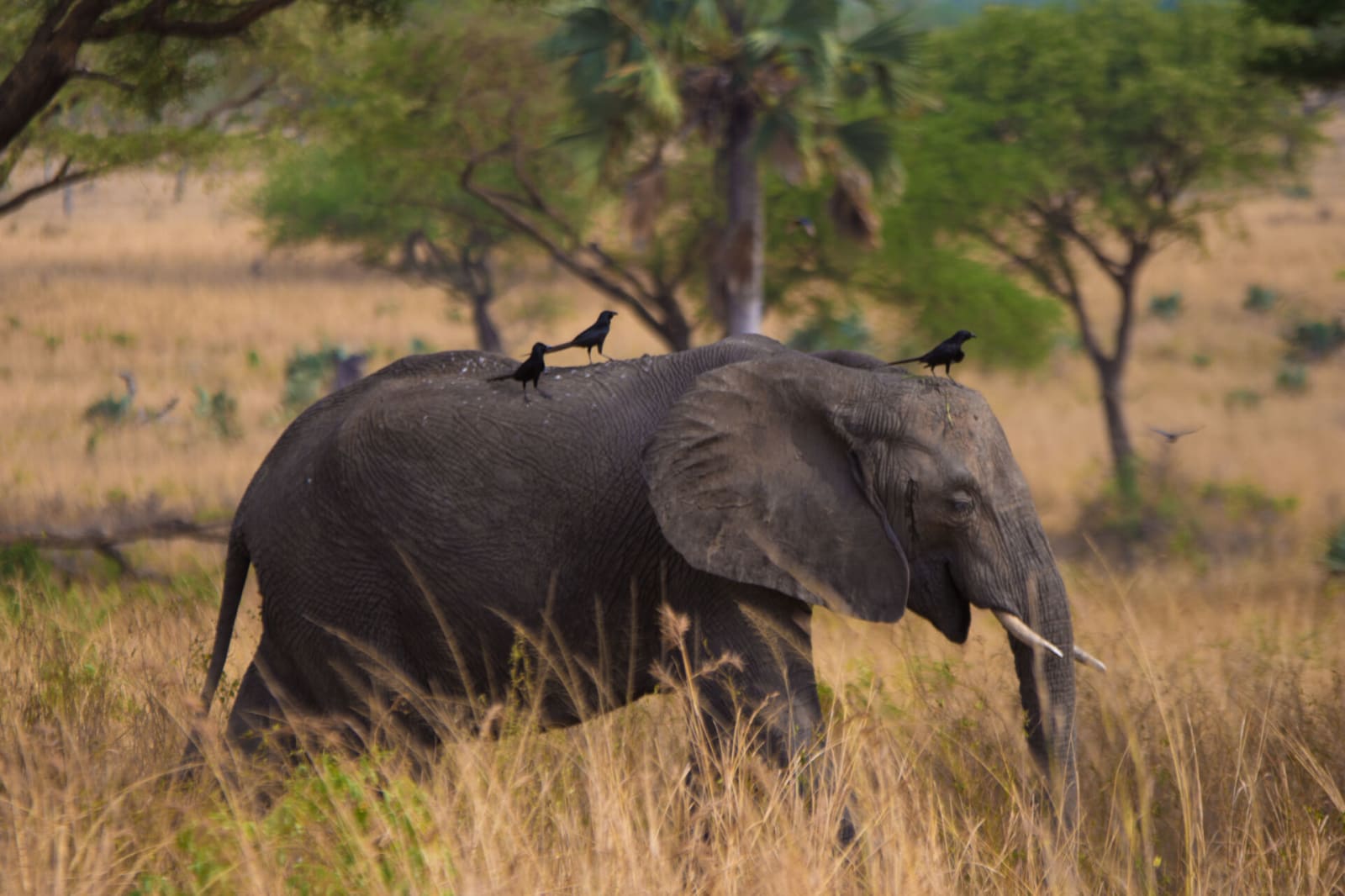
Uganda is home to an incredibly diverse range of wildlife across its national parks and conservation areas. On a Uganda safari, you can encounter the Big Five (lions, leopards, elephants, buffalo, and rhinoceros), along with countless other species including hippos, giraffes, antelopes, warthogs, zebras, and over 1,000 bird species. The country is particularly renowned for its primate populations, making it one of Africa's premier destinations for wildlife viewing. Each region offers unique wildlife experiences—Murchison Falls and Queen Elizabeth National Parks are excellent for general wildlife viewing, while Ziwa Rhino Sanctuary offers the rare opportunity to see endangered rhinos up close.
Yes, Uganda is one of only three countries in the world where you can see mountain gorillas in their natural habitat. Bwindi Impenetrable National Park is home to approximately half of the world's remaining mountain gorilla population. Gorilla trekking in Bwindi is an extraordinary experience that involves hiking through dense forest to locate habituated gorilla families. It's considered one of Africa's most iconic wildlife encounters. The trek requires a reasonable level of fitness and is typically done early in the morning. Permits are required and should be arranged in advance, as they are limited and highly sought after by travelers from around the world.
Chimpanzee trekking is an immersive wildlife experience where you hike through forests to observe wild chimpanzees in their natural habitat. In Uganda, the best location for chimpanzee trekking is Kibale Forest National Park, which is home to one of the largest populations of wild chimpanzees in Africa—approximately 1,500 individuals. During a trek, experienced guides lead small groups through the forest canopy, listening for chimpanzee calls and following signs of their presence. Once located, you can observe them for up to an hour as they feed, play, and interact with one another. The experience is thrilling and provides genuine insight into primate behavior and forest ecosystems.
Packing for a Uganda safari requires careful consideration of the climate and activities. Essential items include lightweight, neutral-colored clothing (khaki, tan, and olive green help with wildlife viewing), a warm fleece or jacket for early morning game drives and higher elevations, waterproof rain jacket, sturdy hiking boots for forest treks, comfortable walking shoes, and sandals. Bring sun protection including high-SPF sunscreen, a wide-brimmed hat, and sunglasses. For primate trekking, wear long sleeves and long pants to protect against insects and vegetation. Pack binoculars, a camera with extra batteries and memory cards, toiletries, any personal medications, and a small daypack. Uganda's weather can be unpredictable, so layering is key. Drinking water is provided in vehicles, but consider bringing a reusable water bottle. Check with your operator for any specific recommendations based on the season of travel.
Uganda can be visited year-round, but the best times for wildlife viewing are during the dry seasons: June to August and December to February. These periods offer the most comfortable conditions for game drives and trekking, as vegetation is less dense, making wildlife easier to spot. The dry seasons also mean fewer insects and more stable weather. However, the wet seasons (March to May and September to November) have their advantages—fewer tourists, lush landscapes, and excellent bird watching opportunities. For mountain gorilla and chimpanzee trekking, the dry seasons are generally preferred, though these treks can be done year-round. The best time ultimately depends on your priorities: if wildlife viewing is paramount, choose the dry season; if you prefer solitude and don't mind occasional rain, the wet season offers a different kind of magic.
The Batwa are the indigenous hunter-gatherer people of Uganda, historically inhabiting the forests of southwestern Uganda. A cultural experience with the Batwa community offers visitors an authentic glimpse into their traditional way of life, history, and deep connection to the forest. During these encounters, you can learn about their hunting and gathering techniques, traditional medicine knowledge, forest survival skills, and cultural practices. The Batwa share stories of their heritage and demonstrate traditional crafts. This experience is not only culturally enriching but also supports the Batwa community economically and helps preserve their heritage. It's a humbling and educational opportunity to understand indigenous perspectives on conservation and sustainable living. Visiting with the Batwa contributes directly to their livelihoods and community development initiatives.
A minimum of 10-14 days is recommended to experience both mountain gorilla trekking and chimpanzee trekking in Uganda while also enjoying general wildlife viewing. This timeframe allows for travel between destinations, acclimatization, and the full experience of each activity. Mountain gorilla trekking in Bwindi requires at least 2-3 days (including travel days and the trek itself), while chimpanzee trekking in Kibale Forest typically requires 2 days. When combined with visits to other national parks like Murchison Falls, Queen Elizabeth, Lake Mburo, and Mgahinga Gorilla National Park for golden monkey trekking, a 13-day itinerary provides an excellent balance of primate encounters and diverse wildlife viewing. Shorter safaris are possible but may feel rushed, while longer stays allow for more relaxed pacing and additional experiences.
Yes, permits are absolutely required for mountain gorilla trekking in Uganda and are issued by the Uganda Wildlife Authority. Gorilla permits are limited in number to protect the gorilla population and ensure quality experiences for visitors. They must be arranged well in advance, especially during peak travel seasons, as they sell out quickly. Permits are typically expensive (several hundred dollars per person) and contribute directly to gorilla conservation efforts. When booking a safari that includes gorilla trekking, your tour operator will usually handle permit arrangements as part of the package. It's essential to confirm permit inclusion and booking status before finalizing your travel plans. Permits are also required for chimpanzee trekking and golden monkey trekking, though these are generally more readily available than gorilla permits.
A comprehensive Uganda safari package typically includes several essential components. Park entrance fees for all national parks and conservation areas are covered, allowing you to access wildlife viewing areas without additional charges at the gate. Professional safari guides accompany you throughout the journey, providing expert knowledge about wildlife, ecosystems, and local culture. Accommodation is arranged at selected lodges and camps, and meals are provided as specified in the itinerary. Ground transportation and game drives are included, with comfortable vehicles equipped for wildlife viewing. Airport transfers ensure seamless travel between the airport and your accommodation. Permits for activities like gorilla trekking, chimpanzee trekking, and golden monkey trekking are typically included. Drinking water is provided in vehicles during game drives. However, international flights, visa fees, travel insurance, tips and gratuities, personal expenses, and alcoholic beverages are usually not included and should be budgeted separately.
Lake Mburo National Park is Uganda's smallest national park but offers diverse wildlife and scenic beauty. The park is known for its population of impalas, zebras, buffalo, antelopes, and various antelope species. It's an excellent location for bird watching, with over 350 bird species recorded in the park. Lake Mburo itself is the centerpiece, offering unique experiences including boat cruises where you can see hippos, crocodiles, and water birds up close. The park provides a more intimate safari experience compared to larger parks, making it ideal for those seeking a more relaxed pace. Guided nature walks allow for closer encounters with smaller wildlife and vegetation. Game drives reveal the park's diverse ecosystems, from savanna to wetlands. Lake Mburo serves as an excellent complement to the more intense experiences of gorilla and chimpanzee trekking, offering a chance to unwind while still enjoying excellent wildlife viewing and natural beauty.
 GoExplore SafarisKampala, Uganda4.8(85 reviews)
© 2026 SafariFind. All rights reserved.
Meals: Breakfast, Lunch, Dinner