13 daysPrivate
13-Day Uganda Wildlife, Primates and Scenic Adventure
by
Highlights
- Rhino tracking
- Game Drie
Loading SafariFind...
by
SafariFind app
Keep up with your inquiries and bookings, and message operators wherever you are.

Day 1
Entebbe International Airport
Meals: Dinner
Day 2
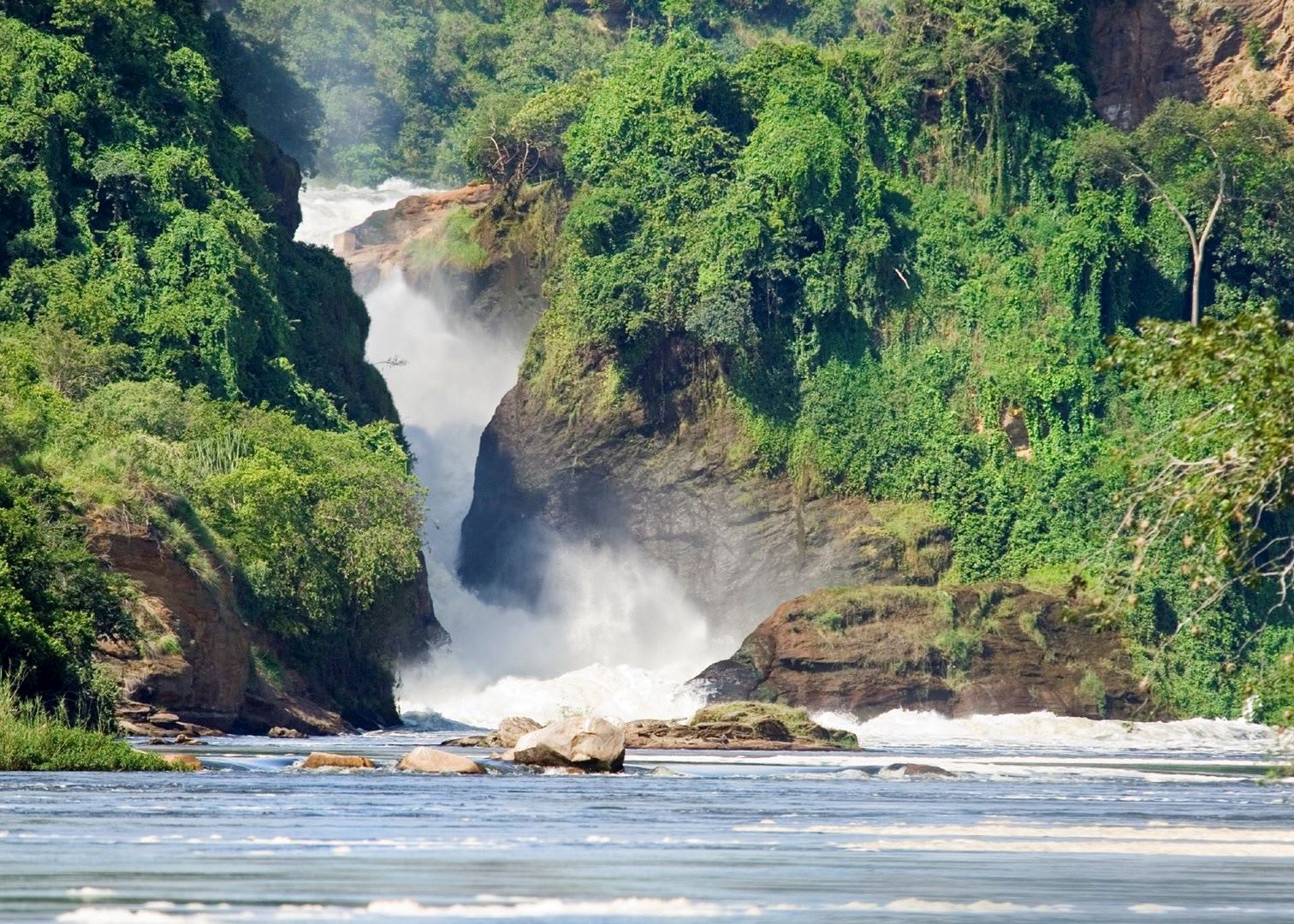
Murchison Falls National Park
Meals: Breakfast, Lunch, Dinner
Day 3
Kibale Forest National Park
Meals: Breakfast, Lunch, Dinner
Day 4
Queen Elizabeth National Park
Meals: Breakfast, Lunch, Dinner
Day 5
Bwindi Impenetrable Forest
Meals: Breakfast, Lunch, Dinner
Day 6
Lake Mburo National Park
Meals: Breakfast, Lunch, Dinner
Day 7
Entebbe
Meals: Breakfast, Lunch, Dinner
Day 8
Entebbe International Airport
Meals: Breakfast
Year Round
Year-round
| Season | Solo traveller | 2 people |
|---|---|---|
Year Round Year-round | $64,779 | $5,617 |
Uganda is home to diverse wildlife across its national parks. In Murchison Falls and Queen Elizabeth National Parks, you can expect to see African elephants, lions, buffalo, giraffes, antelopes, hippos, and crocodiles during game drives. Uganda is particularly renowned for its primate populations—you'll have opportunities to track mountain gorillas in the misty forests of Bwindi Impenetrable National Park and encounter wild chimpanzees in their natural habitat. The country also hosts numerous bird species, making it excellent for birdwatching. A 13-day itinerary allows sufficient time to experience wildlife across multiple ecosystems, from savannah plains to tropical forests.
Yes, Uganda is one of only three countries in the world where you can see mountain gorillas in their natural habitat. Bwindi Impenetrable National Park is the primary location for mountain gorilla trekking in Uganda, home to nearly half of the world's remaining mountain gorilla population. Gorilla trekking involves hiking through dense forest with an experienced guide to locate and observe these magnificent primates. The experience typically lasts several hours and is considered one of Africa's most transformative wildlife encounters. A 13-day Uganda safari provides ample time to include gorilla trekking as part of your itinerary, often combined with visits to other national parks for a comprehensive wildlife experience.
Uganda can be visited year-round, but the best times for safari depend on your priorities. The dry seasons—June to August and December to February—offer the most favorable conditions for game drives and wildlife viewing, as animals congregate around water sources and vegetation is less dense, making spotting easier. These periods also provide the most comfortable hiking conditions for gorilla trekking. However, Uganda's tropical climate means wildlife viewing is possible throughout the year. The rainy seasons (March to May and September to November) bring lush landscapes, fewer tourists, and excellent opportunities for birdwatching. Consider that mountain gorilla permits are in high demand during peak seasons, so booking well in advance is advisable regardless of when you plan to visit.
Packing for a Uganda safari requires preparation for diverse climates and activities. Bring lightweight, neutral-colored clothing suitable for warm days and cool forest mornings—earth tones like khaki, olive, and brown are ideal for wildlife viewing. Pack long sleeves and pants for protection against insects and sun, especially for gorilla trekking in forested areas. Include sturdy, waterproof hiking boots for forest walks and uneven terrain. Don't forget a warm layer or fleece for early morning game drives and higher-altitude areas. Essential items include a wide-brimmed hat, sunscreen, insect repellent, binoculars, and a camera with extra batteries. For gorilla trekking specifically, gaiters and a rain jacket are highly recommended. Since the itinerary spans 13 days across multiple destinations with varying elevations and weather conditions, versatile clothing that layers well is your best approach.
Mountain gorilla permits in Uganda are among the most expensive wildlife experiences in Africa, typically ranging from $700 to $1,500 USD per person, depending on the season and specific regulations. These permit fees grant you access to habituated gorilla groups and are managed by Uganda Wildlife Authority to ensure conservation and limit group sizes. The cost reflects the rarity of the experience and supports gorilla conservation efforts. When booking a multi-day safari package that includes gorilla trekking, this permit fee is usually a separate cost beyond the main package price. It's important to verify what is and isn't included in your safari package—some operators include permits while others charge them separately. Budget accordingly and book permits well in advance, especially during peak travel seasons.
Visa requirements for Uganda depend on your nationality. Many countries' citizens can obtain a visa on arrival at Entebbe International Airport or apply online through Uganda's e-visa system before traveling. Some nationalities qualify for visa-free entry or visa exemptions for short stays. It's essential to check the current visa requirements with the Ugandan embassy or official government website well before your trip, as regulations can change. Most travelers should allow time for visa processing if applying in advance. A 13-day safari itinerary provides sufficient time for standard tourist visas. Additionally, ensure your passport is valid for at least six months beyond your intended departure date, as this is typically required for entry into Uganda.
Before traveling to Uganda, consult with a travel medicine clinic or your healthcare provider at least 4-6 weeks before departure to determine which vaccinations you may need. Yellow fever vaccination is strongly recommended and sometimes required for entry, depending on your origin country. Other vaccinations commonly advised include those for typhoid, hepatitis A and B, and routine immunizations. Malaria prophylaxis is recommended for most areas of Uganda, particularly at lower elevations. The specific medications and preventative measures depend on your medical history, the regions you'll visit, and current disease patterns. Since your itinerary spans multiple national parks at varying altitudes—from Murchison Falls to higher-elevation areas like Bwindi—discuss all destinations with your healthcare provider to ensure comprehensive protection. Travel insurance that covers medical evacuation is also highly advisable.
Mountain gorilla trekking in Uganda typically involves a full day of activity, though the actual time spent with gorillas is usually 1-2 hours once they're located. The experience begins early in the morning (usually around 7-8 AM) with a briefing from your guide, followed by a hike into the forest that can last anywhere from 2 to 8 hours depending on where the gorilla groups are located that day. The terrain is steep, muddy, and densely forested, requiring moderate to high fitness levels. Once you encounter the gorillas, you're permitted to spend up to one hour observing them in their natural behavior. The return trek takes additional time, so plan for a full day of 6-10 hours total. A 13-day Uganda safari allows dedicated time for this experience without feeling rushed, often combining gorilla trekking with other activities like chimpanzee tracking or visits to other national parks.
While both are primate experiences, gorilla trekking and chimpanzee tracking offer distinctly different encounters. Mountain gorillas are larger, more sedentary, and live in family groups with a dominant silverback—they're generally calm and easier to observe once located, though the hike to find them can be challenging. Chimpanzees are smaller, more active, and highly social, often displaying dramatic behaviors like tool use and vocalizations. Chimpanzee tracking typically involves more active hiking and can be more unpredictable, as chimps move frequently and cover larger territories. Both experiences support conservation efforts and provide profound wildlife encounters. A comprehensive 13-day Uganda safari often includes both activities, allowing you to experience these remarkable primates in their natural habitats and understand the differences in their behavior, social structures, and ecological roles. Each experience offers unique insights into primate intelligence and social complexity.
A typical Uganda safari package includes several key components to ensure a comprehensive experience. Standard inclusions usually cover park entrance fees to national parks like Murchison Falls, Queen Elizabeth, and Bwindi, allowing you to access wildlife viewing areas. Professional safari guides accompany you throughout, providing expertise on wildlife, ecology, and local culture. Accommodation is provided as specified in the itinerary, ranging from lodges to camps. Most packages include all game drives and guided activities, transportation between destinations, airport transfers, meals as indicated, and drinking water during vehicle excursions. Many packages also include flying doctors evacuation cover for peace of mind. However, items typically excluded are international flights, visa fees, travel insurance, tips and gratuities, personal expenses, and alcoholic beverages. Always review your specific package details to understand exactly what's covered, as inclusions can vary between operators and package tiers.
 GoExplore SafarisKampala, Uganda4.8(85 reviews)
© 2026 SafariFind. All rights reserved.
