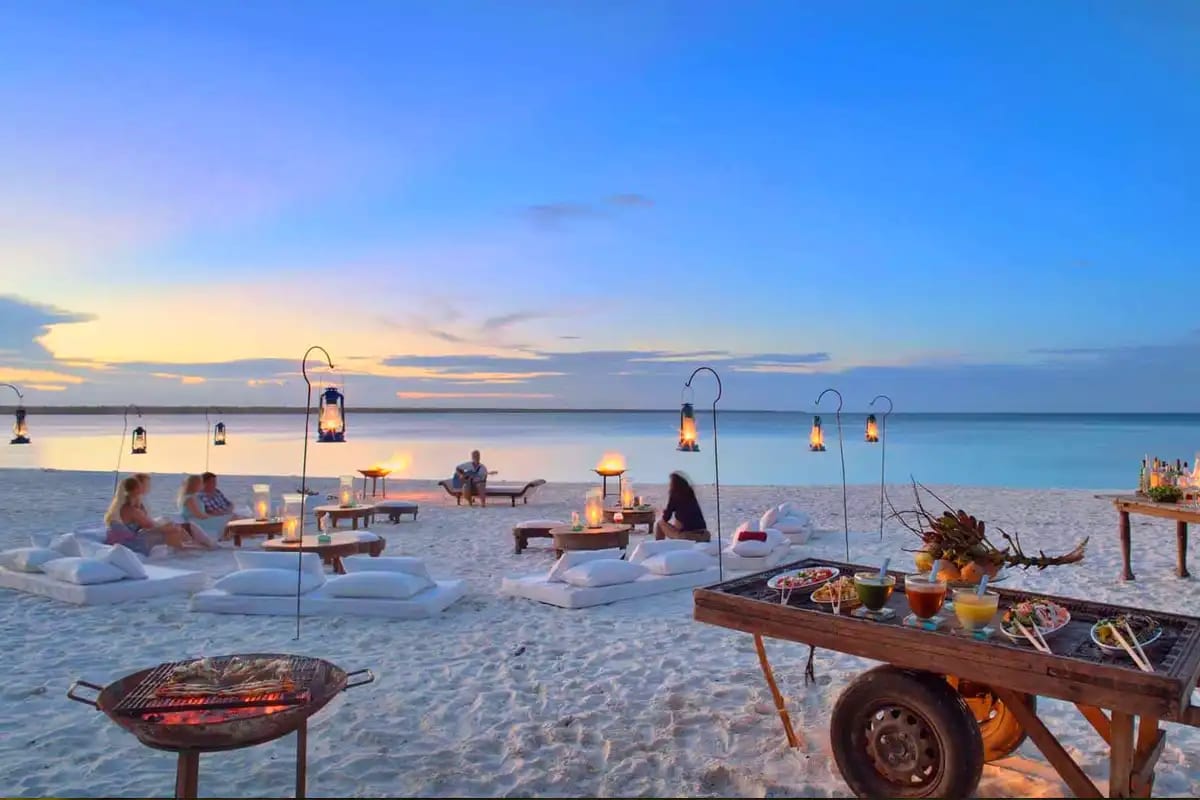
 1 / 3
1 / 3 14 daysPrivate
14-Day Honeymoon Safari & Zanzibar Beach Holiday
byTrusted
Highlights
- Arusha National Park
Loading SafariFind...
1 / 3byTrusted
SafariFind app
Keep up with your inquiries and bookings, and message operators wherever you are.

Day 1: Arrival in Arusha
Arusha City
Meals: Dinner
Day 2: Arusha National Park
Arusha National Park
Meals: Breakfast, Lunch, Dinner
Day 3: Tarangire National Park
Tarangire National Park
Meals: Breakfast, Lunch, Dinner
Day 4: Tarangire National Park
Tarangire National Park
Meals: Breakfast, Lunch, Dinner
Day 5: Lake Manyara via Mto wa Mbu
Lake Manyara National Park
Meals: Breakfast, Lunch, Dinner
Day 6: Serengeti National Park
Serengeti National Park
Meals: Breakfast, Lunch, Dinner
Day 7: Serengeti National Park
Serengeti National Park
Meals: Breakfast, Lunch, Dinner
Day 8: Serengeti to Ngorongoro Highlands
Ngorongoro Crater
Meals: Breakfast, Lunch, Dinner
Day 9: Flight to Zanzibar – Stone Town
Zanzibar
Meals: Breakfast, Lunch, Dinner
Day 10: Stone Town Tour
Zanzibar
Meals: Breakfast, Lunch, Dinner
Day 11: Zanzibar Beach Stay
Stone Town
Meals: Breakfast, Lunch, Dinner
Day 12: Zanzibar Beach Stay
Zanzibar
Meals: Breakfast, Lunch, Dinner
Day 13: Zanzibar Beach Stay
Zanzibar
Meals: Breakfast, Lunch, Dinner
Day 14: Departure
Abeid Amani Karume International Airport
Meals: Breakfast
Year Round
Year-round
| Season | Solo traveller | 2 people | 3 – 4 people | 5 – 6 people | 7+ people | Child rate | Single suppl. |
|---|---|---|---|---|---|---|---|
Year Round Year-round | $7,995 | $7,995 | $7,995 | $7,995 | $7,995 | $6,396 | $2,399 |
Child rate applies to travelers under 12 years. Single supplement applies to solo travelers taking their own room.
Tanzania is home to an incredible array of wildlife across its diverse ecosystems. On a safari through parks like Tarangire, Lake Manyara, Serengeti, and Ngorongoro, you can expect to see the Big Five (lions, elephants, buffalo, leopards, and rhinoceros), along with giraffes, zebras, wildebeest, hyenas, cheetahs, and numerous antelope species. Tarangire is particularly known for its large elephant populations, while the Serengeti offers exceptional predator viewing. Lake Manyara is famous for its tree-climbing lions and flamingos. Birdwatchers will also find over 500 bird species throughout these parks. The specific animals you'll encounter depend on the season and location within each park.
Tanzania offers excellent safari opportunities year-round, but the best times depend on what you want to experience. The dry seasons—June to October and January to February—provide the best game viewing because animals congregate around water sources, making them easier to spot. June to October is considered peak season with cooler temperatures and clear skies, ideal for photography. The wet season (November to May) offers lush landscapes, fewer tourists, and excellent birdwatching, though some roads may be challenging. For a honeymoon combining safari and beach relaxation, the dry seasons are recommended as they offer the most comfortable conditions for both activities.
A meaningful Tanzania safari typically requires 5 to 7 days to experience multiple parks and see a good variety of wildlife. This allows time to visit several key destinations like the Serengeti, Ngorongoro Crater, and Tarangire without rushing. A 14-day itinerary is ideal for a comprehensive experience, as it provides ample time to explore all the major parks thoroughly, enjoy multiple game drives, and transition to a beach destination like Zanzibar for relaxation. Shorter safaris of 3 to 4 days are possible but offer more limited wildlife viewing opportunities. The longer your safari, the greater your chances of encountering diverse species and experiencing different landscapes.
Pack neutral-colored, lightweight clothing in earth tones (khaki, tan, green, brown) to blend in with the environment and avoid disturbing wildlife. Bring long-sleeved shirts and long pants for sun and insect protection, a warm jacket or fleece for early morning and evening game drives when temperatures drop, and a wide-brimmed hat. Essential items include high-SPF sunscreen, sunglasses, insect repellent, and a good camera with a zoom lens. Comfortable, closed-toe hiking boots are crucial for uneven terrain. For the beach portion in Zanzibar, pack swimwear, light dresses, and reef-safe sunscreen. Don't forget medications, a first-aid kit, binoculars, and a headlamp or flashlight. Check weather forecasts closer to your travel dates for specific recommendations.
Tanzania is generally considered a safe destination for tourists, and safari travel is a well-established, secure industry with professional operators and guides. The major safari parks and tourist areas are regularly patrolled and well-managed. That said, it's wise to take standard travel precautions: avoid displaying valuables, stay aware of your surroundings in urban areas like Stone Town, and follow your guide's instructions during game drives. Traveling with a reputable operator who employs experienced, English-speaking guides significantly enhances your safety. Travel insurance is highly recommended. For the most current safety information, check advisories from your government's travel department before booking. Most visitors have safe, enjoyable experiences when they respect local customs and follow basic travel guidelines.
Visa requirements for Tanzania depend on your nationality. Many countries' citizens can obtain a visa on arrival at Tanzanian airports or apply for an e-visa online before traveling. Some nationalities may be exempt from visa requirements for short stays. It's essential to check the current visa requirements with the Tanzanian embassy or consulate in your country well before your trip, as regulations can change. You'll also need a passport valid for at least 6 months beyond your travel dates. Some travel insurance policies and tour operators can provide guidance on visa requirements, but official sources like your government's travel advisory or the Tanzanian immigration website should be your primary reference.
The Ngorongoro Crater is a UNESCO World Heritage Site and one of Africa's most remarkable natural wonders. It's a massive volcanic crater—about 19 kilometers in diameter—that descends approximately 610 meters and contains its own self-contained ecosystem. What makes it exceptional for safari is that the crater floor supports an incredibly dense concentration of wildlife, including lions, elephants, buffalo, zebras, and wildebeest, all within a relatively compact area. This makes game viewing exceptionally productive, as animals are easier to locate. The crater also offers stunning panoramic views and unique photography opportunities. The crater's isolation has created distinct animal populations and behaviors, making it a fascinating destination for both wildlife enthusiasts and researchers. A crater game drive typically takes several hours and is a highlight of any Tanzania safari.
Yes, you can witness the Great Migration on a Tanzania safari, particularly in the Serengeti. This natural phenomenon involves millions of wildebeest, zebras, and gazelles migrating in a circular pattern across the Serengeti and Masai Mara ecosystems. The timing varies: from January to March, large herds concentrate in the southern Serengeti for calving season; from April to May, they move northwest; from June to October, they cross into the northern Serengeti and Masai Mara; and from November to December, they return south. Witnessing river crossings, where predators await the migrating herds, is particularly dramatic. To see the Great Migration, time your safari accordingly and ensure your itinerary includes the Serengeti during peak migration months. Your guide can help position you for the best viewing opportunities.
Zanzibar is an ideal complement to a Tanzania safari because it offers a complete contrast in experience. After days of adventure and wildlife viewing, Zanzibar provides relaxation on pristine white-sand beaches with crystal-clear turquoise waters. The island also has rich cultural and historical significance—Stone Town, a UNESCO World Heritage Site, features stunning architecture, bustling spice markets, and centuries of history influenced by Arab, African, and Indian cultures. You can explore coral reefs through snorkeling or diving, visit spice plantations, or simply unwind at beachfront resorts. The flight from the Serengeti to Zanzibar is relatively short and convenient. This combination allows honeymooners and couples to experience both Tanzania's thrilling wildlife and peaceful tropical beauty in a single trip, creating a perfectly balanced vacation.
The cost of a 14-day Tanzania safari and beach holiday varies significantly based on accommodation choices, season, and specific inclusions. Budget safaris may range from $3,000 to $5,000 per person, mid-range options typically cost $5,000 to $10,000 per person, and luxury safaris can exceed $10,000 per person. Most package costs include park fees, accommodation, meals, guides, and vehicle hire, but typically exclude international flights, travel insurance, visa fees, alcoholic beverages, and tips. Peak season (June-October) is more expensive than shoulder seasons. For honeymooners seeking romantic tented lodges and personalized service, expect to budget toward the mid-to-upper range. Request detailed quotes from operators specifying what's included and excluded. Booking in advance and traveling during shoulder seasons can help reduce costs.
© 2026 SafariFind. All rights reserved.