 1 / 5
1 / 5 18 daysPrivate
18-Day Breathtaking Safari In Uganda, Kenya & Tanzania
by
Highlights
- Game Drives
Loading SafariFind...
1 / 5by
SafariFind app
Keep up with your inquiries and bookings, and message operators wherever you are.

Arrive In Uganda | Travel To Ziwa Rhino Sanctuary | Rhino Tracking | Travel To Murchison Falls National Park | Top Of Falls Tour
Murchison Falls National Park
Meals: Lunch, Dinner
Morning Game Drive | Boat Cruise | Birding | Evening Game Drive
Murchison Falls National Park
Meals: Breakfast, Lunch, Dinner
Transfer To Kibale National Park | Bigodi Community Walk
Kibale Forest National Park
Meals: Breakfast, Lunch, Dinner
Chimpanzee Tracking | Relaxing
Kibale Forest National Park
Meals: Breakfast, Lunch, Dinner
Visit Amabere Ga Nyina Mwiru Caves | Travel To Queen Elizabeth National Park | Boat Ride | Game Drive
Queen Elizabeth National Park
Meals: Breakfast, Lunch, Dinner
Travel To Ishasha Sector | Tracking Tree Climbing Lions | Transfer To Bwindi Impenetrable National Park | Batwa Cultural Interaction
Bwindi Impenetrable Forest
Meals: Breakfast, Lunch, Dinner
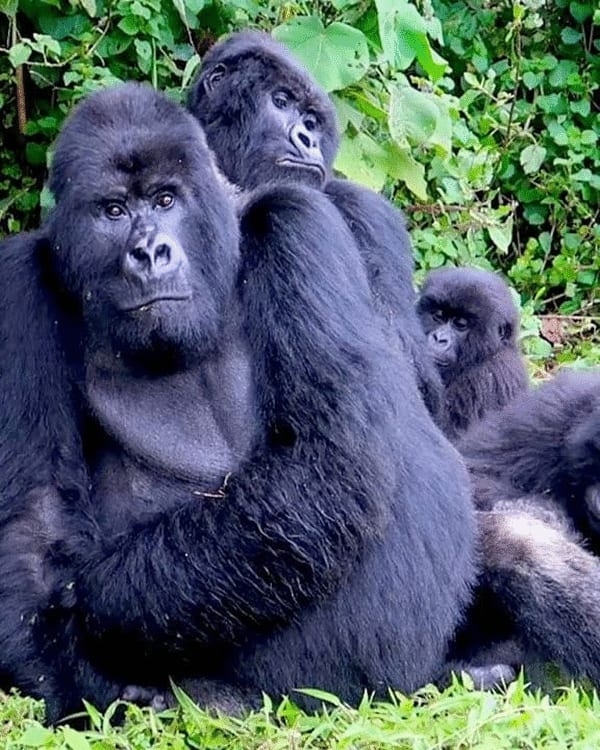
Gorilla Trekking | Transfer To Lake Bunyonyi With 29 Islands
Lake Bunyonyi
Meals: Breakfast, Lunch, Dinner
Last Day In Uganda | Transfer To The Airport | Fly To Kenya | Transfer To Hotel
Nairobi
Meals: Breakfast, Lunch, Dinner
Transfer To Lake Naivasha | Boat Ride
Lake Naivasha
Meals: Breakfast, Lunch, Dinner
Travel To Hell’s Gate National Park For Bike Riding | Transfer To Lake Nakuru National Park | Evening Game Drive
Lake Nakuru National Park
Meals: Breakfast, Lunch, Dinner
Full Day Game Drive In Lake Nakuru National Park
Lake Nakuru National Park
Meals: Breakfast, Lunch, Dinner
Transfer To Maasai Mara National Reserve | Game Drive | Maasai Cultural Interaction
Masai Mara National Reserve
Meals: Breakfast, Lunch, Dinner
Optional Hot Air Balloon Safari At 485 USD Per Person | Full Day Game Drive
Masai Mara National Reserve
Meals: Breakfast, Lunch, Dinner
Last Day In Kenya | Transfer To Serengeti National Park | Evening Game Drive
Serengeti National Park
Meals: Breakfast, Lunch, Dinner
Optional Hot Air Balloon Safari At 600 USD Per Person | Full Day Game Drive
Serengeti National Park
Meals: Breakfast, Lunch, Dinner
Transfer To Ngorongoro Crater | Guided Game Drive | Relaxing
Ngorongoro Crater
Meals: Breakfast, Lunch, Dinner
Transfer To Lake Manyara National Park | Game Drive
Lake Manyara National Park
Meals: Breakfast, Lunch, Dinner
The Last Day With Us | Transfer To Arusha For Shopping | Transfer To The Airport | Fly Back Home
Kilimanjaro International Airport
Meals: Breakfast, Lunch
Year Round
Year-round
| Season | Solo traveller | 2 people | 3 – 4 people | 5 – 6 people | 7+ people | Child rate | Single suppl. |
|---|---|---|---|---|---|---|---|
Year Round Year-round | $12,600 | $8,400 | $7,560 | $7,140 | $6,720 | $5,880 | $2,520 |
Child rate applies to travelers under 12 years. Single supplement applies to solo travelers taking their own room.
An East African safari across Uganda, Kenya, and Tanzania offers incredible opportunities to see diverse wildlife. You can encounter the Big Five (lion, leopard, elephant, buffalo, and rhinoceros) primarily in Kenya's Masai Mara and Tanzania's Serengeti and Ngorongoro Crater. Uganda's Kibale National Park is renowned for chimpanzee trekking, while Bwindi Impenetrable National Park offers mountain gorilla encounters—one of Africa's most extraordinary wildlife experiences. Beyond these iconic species, you'll see zebras, giraffes, wildebeest, hyenas, and numerous bird species. The variety of ecosystems across these three countries means each destination offers unique wildlife viewing opportunities.
The best time to visit East Africa depends on what you want to experience. For general wildlife viewing, the dry seasons are ideal: June to October in Kenya and Tanzania, and December to February year-round. These periods offer excellent game viewing as animals congregate around water sources. If you want to witness the Great Migration in the Masai Mara, visit between July and October. For gorilla and chimpanzee trekking in Uganda, any month works, though the dry seasons (June-August and December-February) offer easier trekking conditions. The shoulder seasons (March-May and November) can also be rewarding with fewer tourists and lush landscapes, though afternoon rains are more common.
An 18-day safari across Uganda, Kenya, and Tanzania is an excellent duration that allows you to experience multiple destinations without feeling rushed. This timeframe gives you sufficient days to explore Bwindi and Kibale in Uganda for gorilla and chimp trekking, visit the Masai Mara in Kenya for Big Five game drives, and experience the Serengeti and Ngorongoro Crater in Tanzania. With 18 days, you'll have time for meaningful wildlife encounters, cultural interactions with local communities, and the necessary travel days between countries. Shorter safaris of 5-7 days can work for single-country visits, but multi-country explorations benefit from the extended timeframe.
For an 18-day East African safari, pack lightweight, neutral-colored clothing suitable for both warm days and cool evenings (especially at higher elevations). Essential items include long-sleeved shirts and pants for sun and insect protection, a warm jacket for early morning game drives, comfortable walking shoes for trekking, and sturdy hiking boots for gorilla and chimp trekking in forested areas. Bring high SPF sunscreen, a wide-brimmed hat, and sunglasses. Pack binoculars for wildlife viewing, a camera with extra batteries, and a headlamp or flashlight. Don't forget toiletries, any prescription medications, and a basic first-aid kit. Check with your healthcare provider about recommended vaccinations before traveling to Uganda, Kenya, and Tanzania.
Gorilla trekking in Uganda's Bwindi Impenetrable National Park is generally considered safe when conducted with professional guides and experienced operators. The activity involves hiking through dense forest terrain to locate mountain gorilla families in their natural habitat. Treks typically last 2-7 hours depending on gorilla location and can be physically demanding, requiring a moderate to good fitness level. You'll spend up to one hour observing the gorillas once located. Guides prioritize safety by maintaining distance from the gorillas and following strict protocols. The experience is deeply rewarding and offers a rare opportunity to see these endangered primates. Wear appropriate clothing, sturdy hiking boots, and follow all guide instructions for the best and safest experience.
A comprehensive safari package generally includes park entrance fees, professional English-speaking guide services, accommodation at lodges or camps, meals (breakfast, lunch, and dinner), bottled water during game drives, and airport transfers. Most packages also cover government taxes and VAT. However, items typically not included are international airfare, travel insurance, visa fees, alcoholic beverages, tips and gratuities for guides and staff, personal expenses, and optional activities beyond the main itinerary. Travel vaccinations are your responsibility and should be arranged with a healthcare provider. Before booking, clarify exactly what's included and excluded to avoid unexpected costs during your safari.
Visa requirements depend on your nationality and the countries you're visiting. Many nationalities can obtain visas on arrival in Uganda, Kenya, and Tanzania, or apply for them online before travel. Some countries have visa exemption agreements. It's essential to check the specific requirements for your passport with the official embassies or consulates of each country well before your trip. Processing times and requirements vary, so plan ahead. Additionally, ensure your passport has at least six months of validity remaining from your travel dates. Your safari operator can provide guidance, but you're responsible for obtaining the necessary visas.
The cost of an 18-day East African safari varies based on accommodation quality, season, and specific inclusions. Budget safaris typically range from $2,500 to $4,000 per person, mid-range options from $4,000 to $7,000, and luxury safaris from $7,000 to $15,000 or more. The 18-day duration across three countries—Uganda, Kenya, and Tanzania—offers good value as it includes multiple destinations and experiences. Most packages include accommodation, meals, park fees, guides, and transfers, but international airfare, travel insurance, and visa fees are typically extra. Booking during shoulder seasons (March-May or November) can offer better rates than peak season. Request detailed quotes from operators to compare what's included in different price points.
The Serengeti in Tanzania is one of Africa's most iconic safari destinations, famous for the Great Migration—the annual movement of over two million wildebeest, zebras, and gazelles across the plains. This natural spectacle is considered one of the world's greatest wildlife events. Beyond the migration, the Serengeti offers year-round excellent game viewing with abundant lions, leopards, elephants, and buffalo. The vast, open plains provide spectacular scenery and photography opportunities. The ecosystem supports diverse bird species and predator-prey interactions. A Serengeti safari should be on your itinerary for the unparalleled wildlife viewing, dramatic landscapes, and the chance to witness nature's most impressive natural phenomena. The park's size and variety ensure memorable encounters with Africa's most iconic animals.
The Ngorongoro Crater in Tanzania is a UNESCO World Heritage Site and one of Africa's most unique safari destinations. It's the world's largest intact volcanic caldera, creating a natural amphitheater that concentrates wildlife in a relatively small area, making game viewing exceptionally rewarding. The crater floor hosts approximately 25,000 large animals, including lions, elephants, zebras, and buffalo, with excellent visibility across the expansive landscape. The crater's diverse ecosystems range from grassy plains to forests and soda lakes, supporting varied wildlife and birdlife. The surrounding highlands offer stunning views and cultural encounters with Maasai communities. A Ngorongoro safari combines spectacular scenery, concentrated wildlife viewing, and cultural experiences—making it an essential stop on any East African safari itinerary.
© 2026 SafariFind. All rights reserved.