 1 / 5
1 / 5 2 daysPrivate
2-Day Fly-In Safari Escape | Tarangire & Ngorongoro Crater
by
Loading SafariFind...
1 / 5by
SafariFind app
Keep up with your inquiries and bookings, and message operators wherever you are.

Suits
Runs in
Price includes
Not included
Day 1
Tarangire National Park
Meals: Lunch, Dinner
Day 2
Ngorongoro Crater
Meals: Breakfast, Lunch
Year Round
Jul 2026 – Dec 2026
| Season | Solo traveller | 2 people | 3 – 4 people | 5 – 6 people | 7+ people | Child rate | Single suppl. |
|---|---|---|---|---|---|---|---|
Year Round Jul 2026 – Dec 2026 | $1,700 | $1,650 | $1,680 | $1,650 | $1,630 | $1,270 | $1,700 |
Child rate applies to travelers under 12 years. Single supplement applies to solo travelers taking their own room.
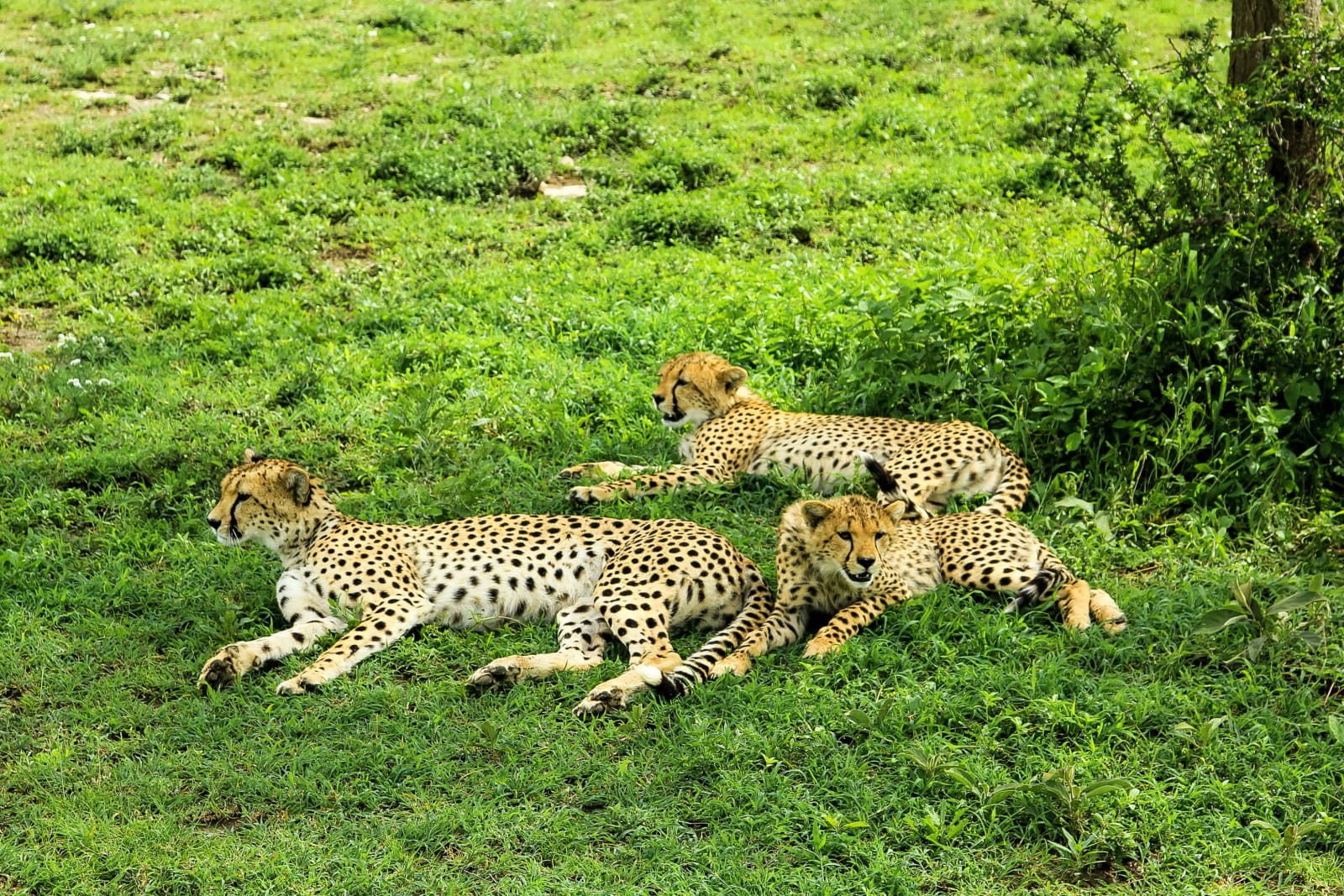
Tarangire National Park is one of Tanzania's premier wildlife destinations, famous for its large concentrations of African elephants—often seen in herds of 300 or more. Beyond elephants, you'll encounter lions, leopards, giraffes, zebras, wildebeest, buffalo, and various antelope species. The park is also a bird watcher's paradise with over 500 bird species. The park's signature feature is its ancient baobab trees, which create a unique landscape and provide shade for resting wildlife. The Tarangire River is a vital water source, especially during the dry season, making it an excellent location for spotting animals gathering to drink.
Absolutely. The Ngorongoro Crater is a UNESCO World Heritage Site and one of Africa's most extraordinary natural wonders, making it a must-see destination for any Tanzania safari. The crater is a massive volcanic caldera that functions as a natural enclosed ecosystem, home to an exceptional concentration of wildlife including lions, elephants, buffalo, zebras, and hippos. What makes it unique is the density of animals in a relatively contained area, offering exceptional game viewing opportunities. The stunning landscape—with steep crater walls and a lush valley floor—provides breathtaking scenery and excellent photography opportunities. Most visitors find the crater experience unforgettable due to the combination of wildlife abundance and dramatic natural beauty.
The ideal duration depends on your travel style and interests. A 2-day safari provides a quick but meaningful introduction to Tanzania's northern circuit, allowing you to experience both Tarangire National Park and the Ngorongoro Crater. This timeframe works well for travelers with limited vacation time or those combining safari with other activities. However, many experienced safari travelers recommend 4-7 days to fully appreciate the wildlife, landscapes, and local culture. With more time, you can spend additional days in each park, increasing your chances of witnessing rare animal behaviors and enjoying a more immersive experience. A 2-day fly-in safari maximizes efficiency by using flights to reduce travel time between destinations.
Packing for a Tanzania safari requires preparation for varying conditions and wildlife viewing needs. Bring neutral-colored, breathable clothing in earth tones (khaki, tan, olive, brown) as bright colors can startle wildlife. Layer your clothing since early mornings and evenings are cool, while midday is warm. Essential items include a wide-brimmed hat, sunglasses, high-SPF sunscreen, and insect repellent. Comfortable, closed-toe hiking boots are crucial for game drives and any walking safaris. Bring a good camera with a telephoto lens for wildlife photography, binoculars for bird watching, and a power bank for charging devices. Pack toiletries, medications, and any personal items, though most safari lodges provide basics. A light rain jacket is useful during rainy seasons. Don't forget your passport, travel documents, and travel insurance information.
The best time to visit Tanzania's northern safari circuit is during the dry seasons: June to October (long dry season) and January to February (short dry season). During these periods, vegetation is sparse, water sources are limited, and animals congregate around remaining water points, making wildlife viewing exceptional. July to September is peak season with the highest concentration of animals and the best game viewing. However, this period is also busiest with more tourists. December to March is the rainy season when vegetation is lush and bird watching is excellent, but wildlife is more dispersed and harder to spot. April and May experience heavy rains and are generally considered low season. For the best balance of wildlife viewing and fewer crowds, consider visiting in June, September, or early October.
Yes, a professional safari guide is essential and required for all game drives in Tanzania's national parks. Guides are not only mandatory by park regulations but invaluable for your experience. Experienced guides possess extensive knowledge of animal behavior, ecology, and park geography, helping you locate wildlife and understand what you're observing. They can identify animal calls, track movements, and position your vehicle for optimal viewing and photography. A good guide enhances safety, provides cultural insights, and shares fascinating facts about Tanzania's ecosystems. For a 2-day safari, having a dedicated professional guide ensures you maximize your limited time and gain deeper appreciation for the destinations. Guides also handle logistics, allowing you to focus entirely on the safari experience.
A comprehensive fly-in safari package typically includes several key components to ensure a seamless experience. Inclusions usually cover domestic flights to and from the safari destinations, eliminating long road transfers and maximizing time in the parks. Park entrance fees are included, allowing you to access protected areas without additional costs. Accommodation at selected lodges, all meals as specified in the itinerary, and professional guide services are provided. Game drives in a private 4×4 vehicle ensure comfort and flexibility for wildlife viewing. Most packages include airport transfers, drinking water and soft drinks during game drives to keep you hydrated, and sometimes beer and wine for evening relaxation. Many modern packages offer in-vehicle WiFi access so you can stay connected and share experiences. However, international flights, travel insurance, visa fees, tips, and personal expenses are typically not included and should be budgeted separately.
A private 4×4 safari vehicle offers significant advantages over shared vehicles. With a private vehicle, you have complete flexibility in your itinerary—your guide can spend extra time with wildlife sightings that interest you most, rather than adhering to a group schedule. The vehicle is positioned exactly where your guide determines best for viewing and photography, without competing for prime spots with other safari groups. Private vehicles allow for quieter, more intimate wildlife encounters, as there's less noise and disturbance to animals. You can customize your game drive timing, taking early morning drives or extended evening sessions based on your preferences. The privacy creates a more personalized experience where your guide can tailor commentary to your interests and pace. Additionally, private vehicles often provide better comfort with adjustable seating, personal amenities, and the ability to control temperature and window positions for optimal photography. This setup is particularly valuable for serious photographers and those seeking a more exclusive safari experience.
Visa requirements for Tanzania vary by nationality. Most international visitors require a visa, which can typically be obtained on arrival at Kilimanjaro International Airport or applied for in advance through the Tanzanian embassy or online e-visa system. Check with your country's nearest Tanzanian embassy for specific requirements well before travel. Regarding health, Tanzania requires proof of yellow fever vaccination if you're arriving from endemic countries. While not mandatory for all visitors, yellow fever vaccination is strongly recommended. Malaria is present in Tanzania, particularly in lower-altitude areas like the northern safari circuit, so antimalarial medication is highly recommended—consult your doctor 4-6 weeks before travel. Ensure routine vaccinations (MMR, tetanus, etc.) are current. Drinking water in lodges is generally safe, but stick to bottled water when available. Travel insurance is strongly advised to cover medical emergencies, trip cancellations, and evacuation. Consult your healthcare provider and check official travel advisories from your government for the most current health and safety information.
A 2-day fly-in safari is generally moderate in physical demand and suitable for most fitness levels. Most of your time is spent seated in a comfortable 4×4 vehicle during game drives, which requires minimal physical exertion. However, you'll experience early morning wake-ups (often 5:30-6:00 AM) for dawn game drives, which is when wildlife is most active. The drives can last 4-6 hours with a lunch break, involving periods of sitting and occasional vehicle movement over rough terrain. While generally smooth, some roads can be bumpy, so those with back issues should inform their guide. Walking is minimal unless you choose optional walking safaris, which some lodges offer. The main physical challenges are altitude (the northern circuit is at moderate elevation), sun exposure during long drives, and the early wake-up schedule. To manage this comfortably, wear sunscreen, stay hydrated, bring a cushion if you have back sensitivity, and prepare for early mornings. Most people of reasonable fitness can comfortably enjoy a 2-day safari.
 VISION SAFARI & TOURSARUSHA, Tanzania
© 2026 SafariFind. All rights reserved.