 1 / 6
1 / 6 2 daysPrivate
2-Day Uganda Gorilla Mountain Trekking Safari
by
Loading SafariFind...
1 / 6by
SafariFind app
Keep up with your inquiries and bookings, and message operators wherever you are.

Kampala to Bwindi – Journey into the Misty Mountains
Bwindi Impenetrable Forest
Meals: Lunch, Dinner
Mountain Gorilla Trekking & Return to Kampala
Kampala
Meals: Breakfast, Lunch
High Season
Jun 2026 – Oct 2026
Low Season
Nov 2026 – May 2027
| Season | Solo traveller | 2 people | 3 – 4 people | 5 – 6 people | 7+ people | Child rate | Single suppl. |
|---|---|---|---|---|---|---|---|
High Season Jun 2026 – Oct 2026 | $1,722 | $1,400 | $1,288 | $1,260 | $1,190 | $1,400 | $420 |
Low Season Nov 2026 – May 2027 | $1,378 | $1,120 |
Child rate applies to travelers under 15 years. Single supplement applies to solo travelers taking their own room.
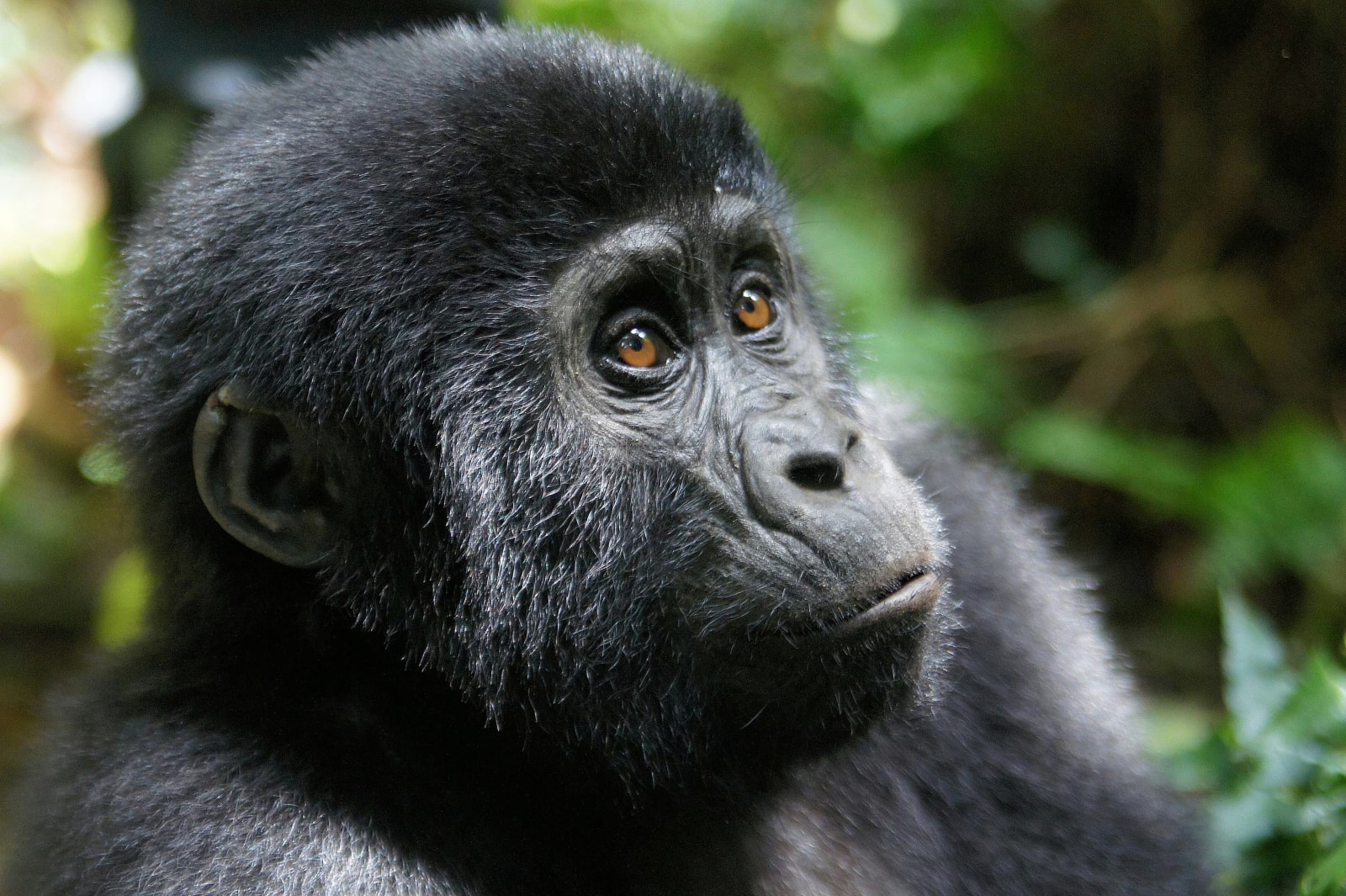
Mountain gorilla trekking is an immersive wildlife experience where visitors hike through dense forest terrain to locate and observe wild gorilla families in their natural habitat. Expert trackers use their knowledge of gorilla movement patterns and behavior to locate family groups, then guide visitors on foot through steep, often muddy forest paths. Once a gorilla family is found, visitors spend up to one hour observing them from a safe, respectful distance. The trackers manage the encounter to minimize stress on the animals while allowing visitors an intimate view of their social behaviors, feeding habits, and family dynamics. This activity combines physical adventure with profound wildlife conservation education.
Gorilla trekking in Bwindi ranges from moderate to strenuous depending on where the gorilla families are located on any given day and the specific terrain. Most treks last between 2 to 6 hours of hiking through steep, densely vegetated forest paths that are often muddy and slippery, particularly during rainy seasons. The elevation gain can be significant, and the terrain requires careful footing. Good cardiovascular fitness, strong leg muscles, and proper hiking boots with good grip are essential. However, guides are experienced at adjusting pace and taking breaks to accommodate different fitness levels. Trekkers of varying abilities successfully complete gorilla treks each year, though those with serious health conditions or mobility issues should consult their doctor beforehand.
The success rate for gorilla sightings in Bwindi Impenetrable Forest is exceptionally high—typically 95% or better—thanks to decades of habituation programs that have familiarized gorilla families with human presence and expert tracker teams who intimately know the forest and gorilla movement patterns. However, it's important to understand that gorillas are wild animals living in a natural environment, so sightings are never absolutely guaranteed. Occasionally, gorilla families may move to areas that are temporarily inaccessible, or they may avoid contact on a particular day. The high success rate reflects the skill of the trackers and the effectiveness of conservation efforts, but wildlife viewing always carries an element of unpredictability.
Yes, 2 days is sufficient for a meaningful gorilla trekking experience, particularly for travelers with limited time or those new to African safaris. A 2-day itinerary typically includes travel from Kampala to Bwindi on day one, accommodation in the forest region, and a full day of gorilla trekking on day two, allowing you to focus entirely on the primary experience without extended time commitments. While longer safaris offer opportunities to explore additional destinations or undertake multiple treks, a 2-day package delivers the core experience—a face-to-face encounter with mountain gorillas—in a condensed, efficient format. This duration is ideal for testing whether gorilla trekking suits you, combining with other Uganda destinations, or maximizing impact within a shorter vacation window.
Gorilla trekking in Bwindi is possible year-round, but the best times are during the dry seasons: June to August and December to February. During these periods, forest trails are less muddy, visibility is clearer, and trekking is generally more comfortable. However, Bwindi's equatorial location means it receives rainfall throughout the year, and the forest remains lush and biodiverse even during 'wet' months. The rainy seasons (March to May and September to November) can make trails more challenging and slippery, but they also offer advantages: fewer tourists, more vibrant vegetation, and sometimes easier gorilla location as animals congregate around fruiting trees. Ultimately, any month offers good gorilla-sighting chances; your choice should depend on personal weather preferences and schedule flexibility.
While mountain gorillas are the primary focus, Bwindi Impenetrable Forest is a biodiversity hotspot hosting numerous other fascinating species. The forest is home to forest elephants, buffalo, various antelope species including bushbuck and duiker, and primates such as chimpanzees, colobus monkeys, and various other monkey species. Birdwatchers will find over 350 bird species, including the endangered African green broadbill and numerous endemic species found nowhere else on Earth. The forest also supports smaller mammals, reptiles, and countless insect species that play crucial roles in the ecosystem. While gorilla trekking is the main activity, the forest itself is an extraordinary natural wonder, and attentive visitors will encounter remarkable biodiversity throughout their time in Bwindi.
Essential packing items for gorilla trekking include sturdy, waterproof hiking boots with excellent grip (crucial for muddy, steep terrain), moisture-wicking layers and a waterproof jacket (weather changes rapidly in the forest), long pants to protect legs from vegetation, and a hat or cap for sun and rain protection. Bring a daypack with water, energy snacks, and a basic first-aid kit. Binoculars enhance wildlife viewing, and a camera with a good zoom lens captures memorable moments. Insect repellent is important for mosquitoes, and sunscreen protects exposed skin. Wear neutral colors (greens, browns, grays) rather than bright colors to minimize impact on wildlife. Comfortable, breathable clothing is preferable to heavy fabrics. A lightweight, packable rain cover for your backpack protects gear during wet forest sections. Don't forget personal medications, toiletries, and any items specific to your health needs. Pack light overall, as you'll be carrying your daypack during the trek.
Gorilla trekking safari costs vary based on accommodation level and operator, but budget packages typically range from mid-range to premium pricing. The primary cost driver is the gorilla permit, which is required for all visitors. Most packages include the gorilla permit, accommodation near Bwindi, all meals, transportation from Kampala to Bwindi, a professional English-speaking guide, and the guided gorilla trek itself. However, costs vary by operator and accommodation choice—budget lodges cost less than luxury eco-lodges. When comparing prices, confirm exactly what's included: some packages exclude meals, travel insurance, alcoholic beverages, tips for guides, or activities beyond gorilla trekking. International airfare, visa fees, vaccinations, and travel insurance are typically not included. Always request a detailed breakdown from your operator to understand what you're paying for and identify any additional expenses you'll need to budget separately.
Yes, you need a gorilla trekking permit to enter Bwindi Impenetrable Forest and participate in gorilla trekking. This permit is typically arranged by your tour operator and is included in most safari packages. Additionally, most international visitors require a visa to enter Uganda, which you must obtain before travel—this is not included in safari packages and varies by your nationality. Check Uganda's immigration website or your nearest Ugandan embassy for specific visa requirements. You'll also need a valid passport with at least six months validity remaining. While not legally required, many travelers get vaccinations for yellow fever, typhoid, and other diseases before visiting Uganda—consult your doctor or travel clinic for personalized recommendations. Travel insurance is strongly recommended to cover medical emergencies, trip cancellations, and evacuation. Your tour operator can advise on permit arrangements, but you're responsible for visas, vaccinations, and insurance.
Bwindi Impenetrable Forest is located in southwestern Uganda, approximately 500 kilometers (310 miles) from Kampala, Uganda's capital. The journey typically takes 8 to 10 hours by road depending on traffic conditions, road quality, and specific stops along the way. Most travelers drive through the day with a lunch break, arriving at Bwindi accommodations in the late afternoon or early evening. The route traverses Uganda's diverse landscapes—from urban Kampala through rural villages, tea plantations, and increasingly mountainous terrain as you approach Bwindi. While the drive is long, many visitors find it rewarding as it provides insight into Uganda's geography, culture, and rural life. Some operators offer overnight stops in intermediate towns to break up the journey, particularly for those sensitive to long drives. The drive itself is part of the adventure, offering a genuine sense of traveling into remote wilderness from the capital city.
 Gatsio SafarizKampala, Uganda5.0(42 reviews)
© 2026 SafariFind. All rights reserved.

| $1,030 |
| $1,008 |
| $952 |
| $1,400 |
| $420 |