3 daysPrivate
3-Day 3-Day Fly-in from Zanzibar - Tarangire, Crater & Manyara
by
Highlights
- Big Five game drives
- Other interesting animals.
Loading SafariFind...
by
Zanzibar to Arusha Airport to Tarangire National Park
Tarangire National Park
Meals: Lunch, Dinner
Ngorongoro Crater
Ngorongoro Crater
Meals: Breakfast, Lunch, Dinner
Lake Manyara National Park to Arusha
Lake Manyara National Park
Meals: Breakfast, Lunch
Year Round
Year-round
| Season | Solo traveller | 2 people | 3 – 4 people | 5 – 6 people | 7+ people | Child rate | Single suppl. |
|---|---|---|---|---|---|---|---|
Year Round Year-round | $1,575 | $1,050 | $956 | $893 | $840 | $1,050 | $315 |
Child rate applies to travelers under 12 years. Single supplement applies to solo travelers taking their own room.
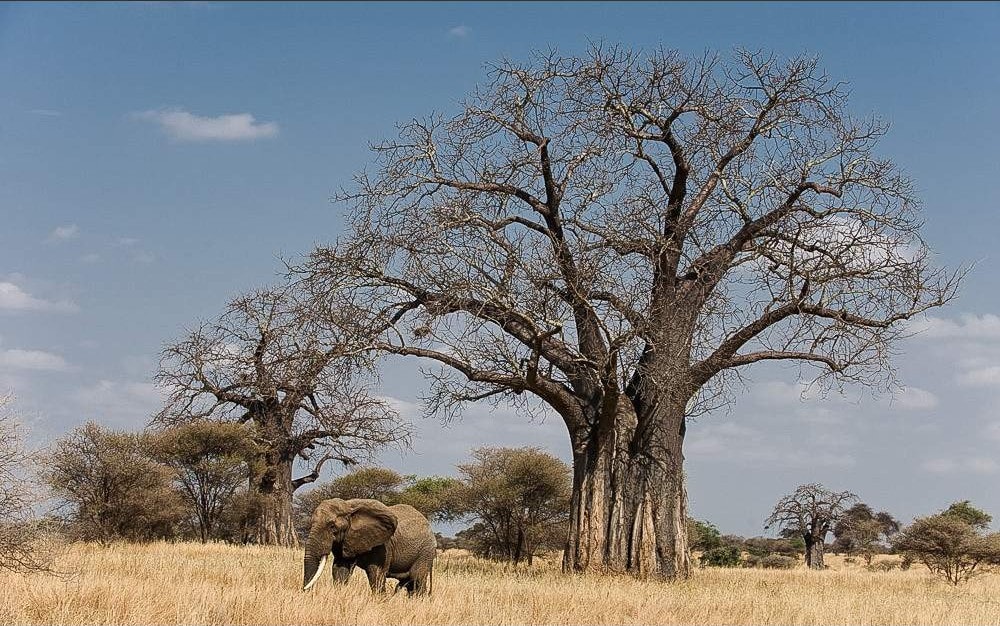
Tarangire National Park is renowned for its exceptional wildlife viewing opportunities, particularly during the dry season. You can expect to see large concentrations of elephants, buffalo, zebras, wildebeest, giraffes, and various antelope species. The park is also home to lions, leopards, and cheetahs, offering genuine chances to spot members of the Big Five. Tarangire's diverse ecosystem supports over 300 bird species, making it excellent for birdwatching enthusiasts as well. The Tarangire River serves as a critical water source, particularly in the dry season, attracting animals to predictable locations for easier game viewing.
Yes, a 3-day safari covering Tarangire, Ngorongoro Crater, and Lake Manyara offers excellent opportunities to encounter the Big Five—lion, elephant, buffalo, leopard, and rhinoceros. Tarangire is particularly known for large elephant herds, while Ngorongoro Crater has a resident lion population and occasional leopard sightings. Lake Manyara is famous for its tree-climbing lions. However, wildlife sightings are never guaranteed as animals are wild and move freely. Your chances increase significantly with an experienced guide who knows the parks intimately and can track animal movements and behavior patterns.
The dry seasons offer the best safari experiences in northern Tanzania. The primary dry season runs from June to October, when vegetation is sparse, animals concentrate around water sources, and visibility is excellent. The secondary dry season from January to February also provides good conditions with fewer tourists. During the wet season (November to May), the landscape becomes lush and green, which is ideal for birdwatching and photography, but wildlife is more dispersed. The dry seasons are optimal if your primary goal is seeing large concentrations of animals and the Big Five, while the green season suits those interested in bird species and scenic photography.
On a 3-day safari covering multiple parks, you typically experience 6-8 hours of game drives daily, usually split into morning and afternoon sessions. Morning drives generally start at sunrise (around 6-7 AM) and last 3-4 hours, while afternoon drives begin in the late afternoon (around 3-4 PM) and continue until sunset. This schedule aligns with peak animal activity periods when wildlife is most active and visible. The exact duration may vary based on animal sightings, park regulations, and your guide's strategy, but this structure maximizes your chances of encountering diverse wildlife while allowing time for rest, meals, and relaxation during the hottest midday hours.
Essential items for a Tanzania safari include neutral-colored clothing (khaki, tan, green, brown) to blend into the landscape and avoid disturbing wildlife. Pack lightweight, breathable fabrics for hot days and a warm layer for cool early mornings and evenings. Bring sturdy, closed-toe hiking boots suitable for uneven terrain, a wide-brimmed hat, and high-SPF sunscreen. Don't forget binoculars for wildlife viewing, a camera with extra batteries and memory cards, and insect repellent for mosquito protection. A small daypack, refillable water bottle, and personal medications are also important. Neutral colors are crucial—avoid bright whites, reds, or patterns that can startle animals. Consider bringing a lightweight rain jacket even during dry seasons, as weather can be unpredictable.
Visa requirements for Tanzania depend on your nationality. Many countries' citizens can obtain a visa on arrival at Kilimanjaro International Airport or Arusha Airport, or apply for an e-visa online before travel. However, requirements vary significantly by country—some nationalities qualify for visa-free entry for short periods, while others must arrange visas in advance. It's essential to check the current requirements with the Tanzanian embassy or official government website relevant to your country of citizenship well before your trip. Processing times and fees vary, so plan accordingly. Your travel operator can provide guidance, but you should verify official requirements directly to avoid any travel disruptions.
While specific vaccination requirements depend on your health history and origin country, common recommendations for Tanzania include vaccinations for Yellow Fever, Typhoid, Hepatitis A, and routine immunizations. Malaria prophylaxis is strongly recommended, particularly for the northern safari circuit including Tarangire and Lake Manyara. Consult with a travel health clinic or your doctor at least 4-6 weeks before departure to receive personalized medical advice based on your individual health profile and the specific regions you'll visit. They can assess your risk factors and recommend appropriate preventive measures. Additionally, ensure your travel insurance covers medical emergencies and evacuation, as remote safari locations have limited medical facilities.
A fly-in safari from Zanzibar involves a domestic flight from Zanzibar to Arusha or a nearby airstrip, typically arranged as part of your package. You'll be picked up from Arusha airport and transferred to your safari lodge or camp. This approach saves significant travel time compared to overland journeys, allowing you to maximize your safari experience. Domestic flights in Tanzania are operated by regional carriers and offer scenic views of the landscape. Your package coordinator will handle flight arrangements, timing, and transfers. The domestic flight is typically included in your package costs, though international flights to/from Zanzibar are separate. This combination allows you to enjoy both the beach relaxation of Zanzibar and the wildlife adventure of Tanzania's northern parks in a single trip.
Ngorongoro Crater is a UNESCO World Heritage Site and one of Africa's most remarkable natural wonders—a massive volcanic caldera spanning about 19 kilometers in diameter with walls rising 600 meters. The crater floor encompasses approximately 26,400 hectares and functions as a natural enclosed ecosystem. What makes it exceptional for safari is that the crater's walls contain wildlife, preventing animals from migrating out, creating predictable and concentrated wildlife viewing. You'll descend into the crater for game drives and can see lions, elephants, buffalo, zebras, wildebeest, hippos, and flamingos in a single location. The unique geography offers stunning photography opportunities and a geological experience unlike typical safaris. The crater's closed ecosystem means sightings are more reliable than in open parks, though the experience involves steep descents and ascents.
Yes, Lake Manyara is famous for its tree-climbing lions, a behavior more commonly observed here than in other African parks. Lions climb trees for several reasons: to escape biting insects and parasites on the ground, to find cooler temperatures in the shade during hot days, to scout for prey from an elevated vantage point, and to rest away from ground-level disturbances. This unique behavior makes Lake Manyara particularly special for safari enthusiasts and photographers seeking distinctive wildlife encounters. However, tree-climbing lions aren't guaranteed sightings, as the behavior depends on various factors including season, prey availability, and individual lion preferences. An experienced guide familiar with Lake Manyara's lion prides and their habits significantly increases your chances of witnessing this remarkable behavior. The park's diverse ecosystem also features elephants, giraffes, zebras, and over 400 bird species.
© 2026 SafariFind. All rights reserved.

