 1 / 9
1 / 9 3 daysGroup Joining
3-Day 3 Days, 2 Nights Masai Mara Safari Joining trip– Affordable 2025 Kenya Wildlife Adventure
by
Loading SafariFind...
1 / 9by
SafariFind app
Keep up with your inquiries and bookings, and message operators wherever you are.

Arrival and First Game Drive in the Masai Mara
Meals: Dinner
Full Day Safari and Migration Spectacle
Meals: Breakfast, Lunch, Dinner
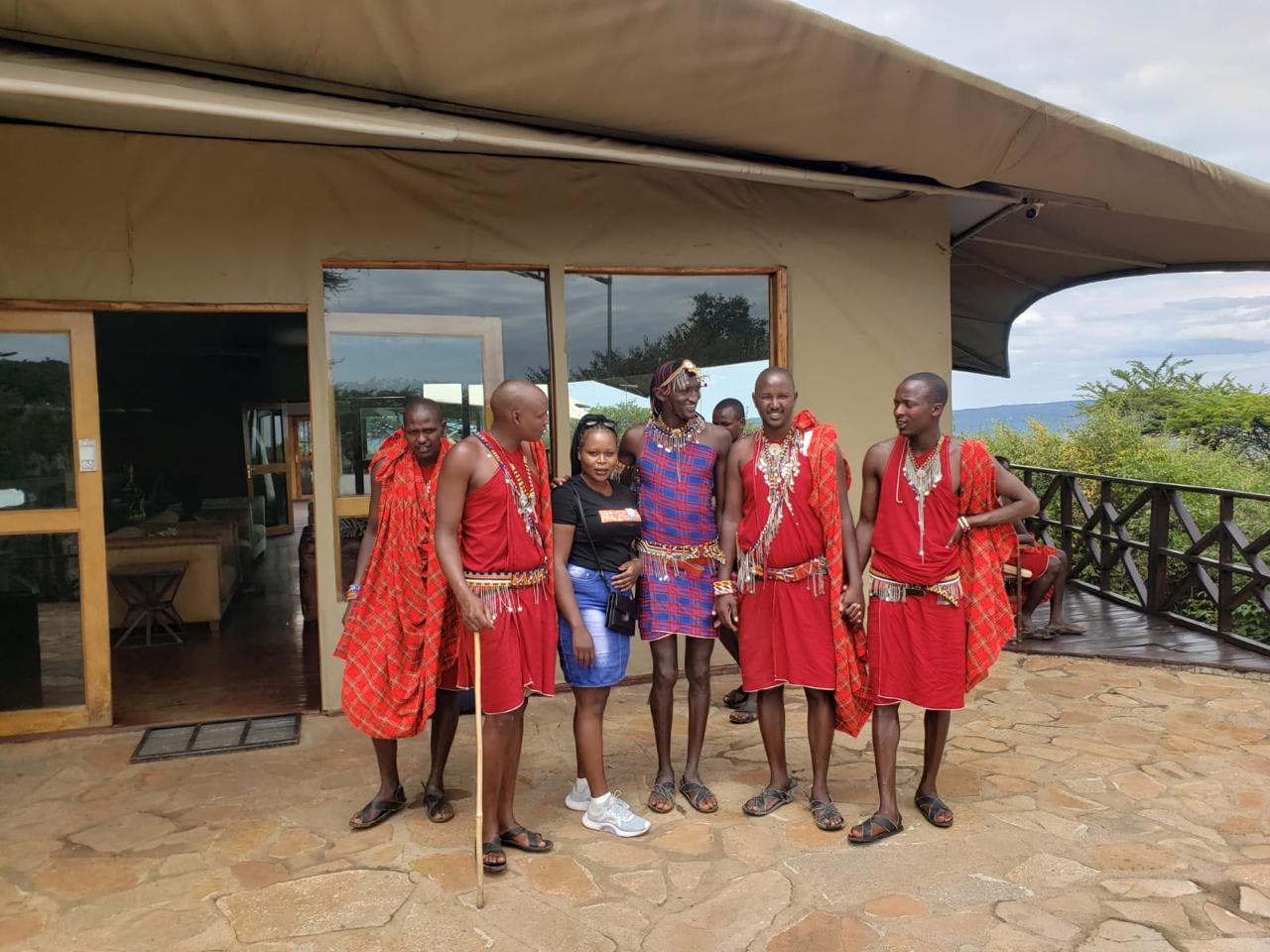
Cultural Experience and Departure
Meals: Breakfast
The Great Migration typically reaches its peak in the Masai Mara between June and October. During these months, you'll witness the dramatic movement of massive herds of wildebeest, zebras, and gazelles across the reserve as they search for fresh grazing lands. July through September is particularly spectacular for witnessing river crossings, where predators like crocodiles and lions gather. The exact timing of the migration can vary slightly year to year depending on rainfall patterns, so consulting with experienced safari operators about current conditions is recommended.
The Masai Mara is one of Africa's premier wildlife destinations, home to an incredible diversity of animals. You can expect to see lions, leopards, elephants, buffalo, and zebras regularly. The reserve is also abundant with giraffes, wildebeest, gazelles, hyenas, cheetahs, and numerous bird species. While rhinos are present in the reserve, they are less frequently sighted. The Masai Mara is particularly renowned for its predator-prey dynamics, offering unique opportunities to witness natural hunting behavior and the raw power of wildlife interactions in their natural habitat.
Three days is an excellent timeframe for a meaningful Masai Mara safari experience, especially for first-time visitors. This duration allows you to complete multiple game drives during peak wildlife activity hours—dawn and dusk—when animals are most active and lighting is optimal for viewing and photography. While longer safaris offer more extensive exploration, a well-planned 3-day safari provides sufficient time to witness diverse wildlife, experience the landscape, and have a transformative encounter with African nature. The key is timing your visit during peak migration season to maximize wildlife viewing opportunities.
Safari costs vary significantly depending on accommodation level, season, and whether you're booking a private or joining trip. A joining safari—where you share accommodations and game drives with other travelers—offers excellent value, combining mid-range luxury amenities with affordability. This approach provides comfortable lodges, professional guides, quality meals, and park access at a fraction of the cost of private safaris. Budget safaris start at lower price points, while luxury private safaris command premium rates. Factors affecting cost include lodge category, season (peak migration season is typically pricier), and what's included in your package. Always verify what's covered—park fees, meals, guides, and accommodation—when comparing prices.
Packing for a Masai Mara safari requires consideration of the climate and wildlife viewing needs. Bring neutral-colored, lightweight clothing in earth tones (khaki, beige, olive) to blend with the landscape and avoid startling wildlife. Include long sleeves and pants for sun protection and insect defense. A warm jacket is essential for early morning and evening game drives when temperatures drop significantly. Sturdy, closed-toe hiking boots with good grip are important for uneven terrain. Don't forget a wide-brimmed hat, high-SPF sunscreen, sunglasses, and a reusable water bottle. Binoculars and a quality camera with a good zoom lens enhance wildlife viewing. Bring any personal medications, toiletries, and insect repellent. Many lodges provide bottled water during game drives, but carrying your own ensures hydration throughout the day.
Vaccinations are an important consideration for travel to Kenya. Yellow fever vaccination is often recommended, and some countries may require proof of vaccination for entry. Malaria is present in the Masai Mara region, so antimalarial medication is typically advised—consult your doctor about appropriate options. Additionally, vaccinations for diseases like typhoid, hepatitis A and B, and routine immunizations (MMR, tetanus) are commonly recommended for East Africa travel. Health requirements can vary based on your home country and personal health history. It's essential to consult with a travel medicine specialist or your healthcare provider at least 4-6 weeks before your trip to receive personalized recommendations and ensure you have adequate time for any required vaccinations.
A typical Masai Mara safari package includes several key components to ensure a comprehensive experience. Standard inclusions usually cover all park entrance fees, accommodation at your lodge for the duration of the stay, all meals (breakfast, lunch, and dinner), professional game drives in a 4x4 safari vehicle with an experienced English-speaking guide, bottled water during game drives, and government taxes and VAT. However, inclusions can vary between operators and package types. Items typically not included are international airfare, alcoholic beverages, travel insurance, tips and gratuities for guides and staff, optional activities or excursions, visa fees, travel vaccinations, and personal expenses. Always review your specific booking confirmation to understand exactly what's covered, as this helps you budget for additional costs and avoid surprises.
Absolutely. The Masai Mara is an ideal destination for first-time safari-goers. The reserve offers exceptional wildlife viewing opportunities with high chances of encountering diverse animals, making it perfect for those new to safari experiences. The combination of abundant wildlife, dramatic landscapes, and the possibility of witnessing the Great Migration creates a memorable introduction to African safaris. A 3-day safari provides enough time to acclimate to the safari experience and witness meaningful wildlife encounters without being overwhelming. Professional guides are skilled at educating first-time visitors about animal behavior, ecosystem dynamics, and conservation. The mid-range lodge accommodations on joining trips offer comfort and good amenities, making the experience accessible rather than roughing it in the bush. Many first-time visitors find that a Masai Mara safari ignites a lifelong passion for wildlife and African travel.
Joining safaris and private safaris represent different approaches to experiencing the Masai Mara, each with distinct advantages. Joining safaris combine multiple travelers into shared game drives and accommodations, which significantly reduces costs while maintaining quality experiences. You'll travel with other safari enthusiasts, often creating a community atmosphere and opportunities to share wildlife sightings and experiences. Private safaris offer exclusive use of a vehicle and guide, providing more flexibility, personalized itineraries, and intimate experiences, but at substantially higher costs. Joining safaris typically use mid-range luxury lodges with comfortable amenities, while private safaris may range from budget to ultra-luxury options. Both approaches include professional guides and quality wildlife viewing. The choice depends on your budget, preference for social interaction versus exclusivity, and flexibility needs. For budget-conscious travelers and those seeking authentic safari experiences without premium pricing, joining safaris offer excellent value without compromising on quality or wildlife viewing opportunities.
The Great Migration is one of the world's most spectacular natural phenomena, involving the annual movement of approximately 1.5 to 2 million wildebeest, zebras, and gazelles across the East African ecosystem between Tanzania's Serengeti and Kenya's Masai Mara. This migration is driven by seasonal rainfall patterns and the search for fresh grazing lands. The journey is perilous, with predators like lions, leopards, crocodiles, and hyenas strategically positioned along migration routes, particularly at river crossings. The significance of the Great Migration extends beyond its visual spectacle—it's a crucial ecological event that sustains the entire ecosystem through nutrient cycling and predator-prey dynamics. Witnessing the migration offers visitors an authentic glimpse into nature's raw power and the interconnected relationships within African wildlife communities. The dramatic river crossings, massive herds stretching across plains, and intense predator-prey interactions make the migration a bucket-list experience for wildlife enthusiasts, photographers, and nature lovers worldwide.
 Creek Tours and TravelsNakuru, Kenya5.0(6 reviews)
© 2026 SafariFind. All rights reserved.