 1 / 9
1 / 9 3 daysshared
Loading SafariFind...
1 / 9Serengeti National Park
Serengeti National Park
Meals: Dinner
Serengeti National Park
Serengeti National Park
Meals: Breakfast, Lunch, Dinner
Ngorongoro Crater
Ngorongoro Crater
Meals: Breakfast
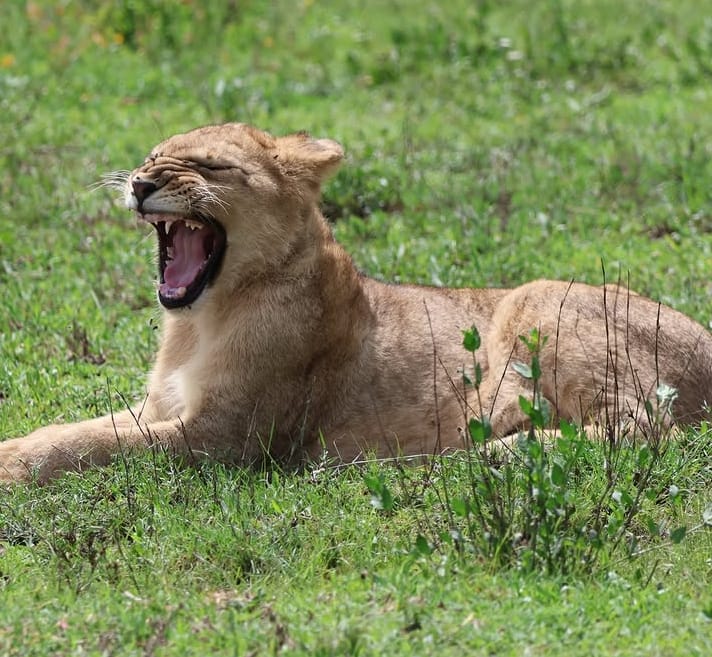
The Serengeti is home to an extraordinary variety of wildlife, including the Big Five (lions, leopards, elephants, buffalo, and rhinoceros), as well as zebras, wildebeest, giraffes, hyenas, cheetahs, and numerous bird species. The specific animals you encounter depend on the season and which region of the Serengeti you visit. The park's diverse ecosystems support over 1.5 million large animals, making it one of the most wildlife-rich destinations in Africa. During the Great Migration (typically July to October), you may witness massive herds of wildebeest and zebras crossing the landscape in search of fresh grazing lands.
The best time to visit the Serengeti and Ngorongoro depends on what you want to experience. The dry season (June to October) offers excellent wildlife viewing as animals congregate around water sources, and the weather is generally clear for photography. The wet season (November to May) brings lush landscapes, fewer tourists, and opportunities to see newborn animals and migratory birds. The shoulder months of June and November offer a good balance of wildlife activity and manageable weather. Each season has its advantages, so consider your priorities when planning your trip.
A comprehensive safari experience in the Serengeti and Ngorongoro can range from 3 to 7 days, depending on your schedule and interests. A 3-day safari allows you to experience the highlights of both destinations with game drives in different regions of the Serengeti and a visit to the Ngorongoro Crater. Longer safaris of 5 to 7 days provide more time for deeper exploration, multiple game drives, and better chances of spotting elusive wildlife. Most travelers find that 3 days provides a meaningful introduction, while 5-7 days allows for a more immersive experience.
Essential items for a Serengeti safari include neutral-colored clothing (khaki, tan, green, or brown) that blends with the landscape, comfortable walking shoes, and a wide-brimmed hat for sun protection. Bring high SPF sunscreen, insect repellent, and a light rain jacket for unexpected showers. Pack binoculars for wildlife viewing, a camera with extra batteries and memory cards, and any personal medications. Layers are important as mornings and evenings can be cool, while afternoons are warm. Don't forget a reusable water bottle, as staying hydrated during game drives is crucial. Check with your safari operator for any specific recommendations based on the season you're visiting.
The Ngorongoro Crater is absolutely worth visiting and is often considered one of Africa's most remarkable natural wonders. This UNESCO World Heritage Site is the world's largest intact volcanic crater and functions as a natural wildlife sanctuary with an estimated 25,000 large animals within its boundaries. The crater's unique ecosystem supports lions, elephants, buffalo, zebras, hyenas, and numerous bird species in a relatively compact area, offering exceptional wildlife viewing opportunities. The stunning scenery, combined with the high concentration of animals and the cultural heritage of the Maasai people who inhabit the crater rim, makes it an unforgettable experience that complements any Serengeti safari.
Visa requirements for Tanzania depend on your nationality. Many nationalities can obtain a visa on arrival at Tanzanian airports, while others must apply in advance at a Tanzanian embassy or consulate. Some countries qualify for an e-visa, which can be obtained online before travel. It's essential to check the current visa requirements well in advance of your trip based on your passport country. Additionally, most countries require your passport to be valid for at least 6 months beyond your travel dates. Consult the official Tanzanian immigration website or your travel operator for the most current and accurate information specific to your nationality.
While specific vaccination requirements vary based on your medical history and home country, most health authorities recommend vaccinations against yellow fever, typhoid, and hepatitis A for travel to Tanzania. Malaria prophylaxis is also typically recommended, as the Serengeti and Ngorongoro regions are malaria-endemic areas. Ensure your routine vaccinations (MMR, tetanus, etc.) are current. It's crucial to consult with a travel medicine clinic or your healthcare provider at least 4-6 weeks before your trip to receive personalized medical advice based on your health status and the specific regions you'll visit. They can provide guidance on the most appropriate preventive measures for your situation.
The cost of a Serengeti and Ngorongoro safari varies widely depending on the duration, accommodation level, season, and operator. Budget safaris can start around $1,500-$2,500 for 3 days, while mid-range options typically range from $2,500-$5,000, and luxury safaris can exceed $5,000 per person. Factors affecting price include whether accommodations are in budget camps, mid-range lodges, or luxury resorts, the time of year (peak season is more expensive), and what's included in the package. Park entrance fees, meals, guides, and transportation are often included in package prices, but international flights, visas, travel insurance, and personal expenses are typically not. Request detailed quotes from multiple operators to compare what's included and find the best value for your budget.
A comprehensive safari package typically includes park entrance fees for both destinations, accommodation in camps or lodges, all meals (breakfast, lunch, and dinner), private 4x4 safari vehicle transportation, an experienced English-speaking guide, bottled water during game drives, and airport transfers. Some packages may also include internal flights from coastal areas like Zanzibar to the safari regions. However, packages typically exclude international airfare, travel insurance, visa fees, alcoholic beverages, tips and gratuities, personal expenses, and optional activities. It's important to carefully review what's included and excluded in your specific package before booking, and to clarify any questions with your operator to avoid unexpected costs.
Seeing the Great Migration on a 3-day safari is possible but not guaranteed, as it depends heavily on the season and the specific timing of the migration. The migration typically occurs from July to October when massive herds of wildebeest and zebras move northward through the Serengeti in search of fresh grazing. If you visit during this peak season and your safari is positioned in the right location, you have a good chance of witnessing this spectacular natural event. However, the exact location of the herds can vary, so even during migration season, sightings aren't guaranteed. A longer safari of 5-7 days increases your chances of encountering the migration. Discuss the best timing and locations with your safari operator to maximize your chances of this unforgettable experience.
© 2026 SafariFind. All rights reserved.