 1 / 3
1 / 3 3 daysPrivate
3-Day Best of Burundi Experience
by
Highlights
- City Tour
Loading SafariFind...
1 / 3by
SafariFind app
Keep up with your inquiries and bookings, and message operators wherever you are.

Arrive In Burundi | Transfer To A Hotel In Bujumbura | Relaxing
Bujumbura
Meals: Lunch, Dinner
Visit Busekera Pygmy Village | Batwa Cultural Interaction Or Visit Teza Tea Plantations | Transfer To Gitega | Drumming Experience | National Museum Visit | Transfer To Bujumbura
Bujumbura
Meals: Breakfast, Lunch, Dinner
The Last Day With Us | Boat Cruise On River Rusizi | Transfer To The Airport | Fly Back Home
Melchior Ndadaye International Airport
Meals: Breakfast, Lunch
Year Round
Year-round
| Season | Solo traveller | 2 people | 3 – 4 people | 5 – 6 people | 7+ people | Child rate | Single suppl. |
|---|---|---|---|---|---|---|---|
Year Round Year-round | $2,100 | $1,400 | $1,260 | $1,190 | $1,120 | $980 | $420 |
Child rate applies to travelers under 12 years. Single supplement applies to solo travelers taking their own room.
A 3-day Burundi experience typically combines cultural immersion, historical exploration, and scenic beauty. You'll explore Bujumbura's vibrant streets, markets, and lakeside areas; visit the Batwa community at Busekera Pygmy Village to learn about their traditions and way of life; experience the rolling hills and agricultural heritage of the Teza Tea Plantations; and conclude in Gitega where you can witness the ceremonial Gishora Royal Drums Sanctuary and explore the National Museum to understand Burundi's rich historical heritage. This compact itinerary offers an authentic introduction to the country's culture, people, and landscapes without requiring extensive time away.
The Batwa, also known as the Twa people, are an indigenous community in Burundi with a unique cultural heritage and traditional way of life. Busekera Pygmy Village is one of the primary locations where visitors can authentically engage with the Batwa community. During a visit, you can learn about their customs, traditions, music, and daily practices directly from community members. These cultural encounters provide meaningful insights into their history and lifestyle while supporting local communities through responsible tourism. It's important to approach such visits with respect and cultural sensitivity, recognizing the Batwa as living communities rather than museum exhibits.
Yes, a well-planned 3-day itinerary can provide a meaningful introduction to Burundi's culture and history. While three days is relatively short, a thoughtfully designed trip can cover key cultural sites and experiences—including the capital city of Bujumbura, indigenous communities, local agricultural practices, and historical landmarks in Gitega. This duration allows you to gain authentic insights into Burundian life, traditions, and heritage without feeling rushed. However, if you have more time available, extending your stay would allow for deeper exploration of additional regions, national parks, and cultural experiences. For first-time visitors, three days offers an excellent foundation for understanding the country's essence.
When packing for Burundi, consider the tropical climate and varied activities. Bring lightweight, breathable clothing suitable for warm weather, comfortable walking shoes for city exploration and village visits, and sturdy footwear for terrain like tea plantations. Include sun protection items such as sunscreen, a wide-brimmed hat, and sunglasses. Pack a light rain jacket or umbrella, as Burundi can experience rainfall. Bring a camera to capture cultural moments and landscapes. Include personal toiletries, any required medications, and insect repellent. For cultural visits to villages and historical sites, modest clothing is respectful. Don't forget travel documents, copies of important papers, and any necessary vaccination records. Check current health advisories and consult your healthcare provider about recommended vaccinations before traveling.
Most comprehensive Burundi safari packages include three meals daily—breakfast, lunch, and dinner—as part of the all-inclusive experience. Meals typically feature a mix of local Burundian cuisine and international dishes, allowing you to experience authentic flavors while accommodating different dietary preferences. Breakfast often includes fresh fruits, bread, and hot beverages to start your day of exploration. Lunch and dinner showcase local ingredients and traditional recipes, giving you genuine tastes of the region. Meals are usually served at your accommodation or arranged at quality local restaurants. If you have specific dietary requirements or restrictions, it's important to communicate these in advance so arrangements can be made. Beverages like bottled water are typically provided during activities, though alcoholic beverages are usually not included and would be an additional expense.
Visa requirements for Burundi vary depending on your nationality. Most visitors require a visa to enter Burundi, which can typically be obtained on arrival at the airport or through the Burundian embassy or consulate in your home country before travel. The visa process and requirements differ for different nationalities, so it's essential to check the specific requirements for your country with the Burundian embassy or official government sources well in advance of your trip. Processing times can vary, so apply early to avoid any travel delays. Additionally, ensure your passport is valid for at least six months beyond your intended departure date from Burundi. Travel insurance and other travel documentation may also be required, so consult with your travel operator and official sources for complete pre-travel requirements.
A typical Burundi tour package includes accommodations as per the itinerary, all meals (breakfast, lunch, and dinner), a professional English-speaking guide, bottled water during activities, airport transfers, government taxes and VAT, and all park and site entrance fees. These inclusions ensure a comprehensive experience without hidden costs. However, several items are typically not included and represent additional expenses: international airfare, travel insurance, visa fees, alcoholic beverages, tips and gratuities for guides and staff, personal expenses, optional activities beyond the main itinerary, and travel vaccinations. Understanding what's included helps you budget accurately and plan accordingly. It's advisable to clarify the complete cost breakdown with your tour operator before booking to avoid unexpected expenses during your trip.
The Gishora Royal Drums Sanctuary in Gitega is one of Burundi's most culturally significant sites, dedicated to preserving the country's royal drumming heritage. The sanctuary showcases traditional Burundian royal drums and features mesmerizing performances of the Gishora drums, which have been central to Burundian royal ceremonies and cultural identity for centuries. These drums, known for their complex rhythms and ceremonial importance, represent a crucial part of the nation's cultural and historical legacy. Visiting the sanctuary offers an immersive experience where you can witness live performances and learn about the historical significance of these instruments in Burundian society. The rhythmic performances are not just entertainment but a living connection to Burundi's royal past and cultural traditions, making it an essential stop for anyone seeking to understand the country's heritage.
The National Museum in Gitega is Burundi's primary repository of historical and cultural treasures, offering comprehensive insights into the country's rich past and heritage. The museum houses artifacts, exhibits, and displays that chronicle Burundi's history from pre-colonial times through the present day, including royal regalia, traditional crafts, historical documents, and cultural objects. Exhibits typically cover the kingdom's historical development, the Batwa indigenous heritage, colonial history, and post-independence evolution. The museum provides context for understanding Burundi's complex history, cultural diversity, and the significance of its traditions. Walking through the museum with a knowledgeable guide enhances the experience, as they can explain the historical narratives and cultural importance of various exhibits. This visit is invaluable for gaining a deeper appreciation of Burundi's identity and the historical forces that shaped the nation.
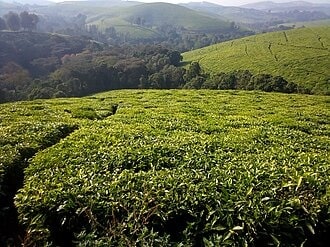
The Teza Tea Plantations showcase Burundi's agricultural heritage and offer visitors a chance to experience the country's important tea industry firsthand. Rolling across picturesque hillsides, these plantations provide stunning panoramic views of the Burundian landscape while offering insights into local farming practices and the cultivation of tea—one of the country's significant export crops. Visiting the plantations allows you to understand the labor-intensive process of tea cultivation, from planting to harvesting, and the economic importance of agriculture to local communities. The scenic beauty of the terraced hillsides combined with the opportunity to interact with local farmers creates a memorable experience that goes beyond typical tourism. Many visitors find the combination of breathtaking vistas and educational value particularly rewarding, making the tea plantations an excellent addition to any Burundi itinerary for those interested in agricultural tourism and rural life.
© 2026 SafariFind. All rights reserved.

