3 daysPrivate
3-Day Bwindi Gorilla Trekking & Lake Bunyonyi Adventure
by
Highlights
- Gorilla Trekkking
- Lake bunyonyi
Loading SafariFind...
by
SafariFind app
Keep up with your inquiries and bookings, and message operators wherever you are.

Transfer to Bwindi Impenetrable National Park & Batwa Cultural Experience
Bwindi Impenetrable Forest
Meals: Dinner
Gorilla Trekking Experience & Transfer to Lake Bunyonyi
Lake Bunyonyi
Meals: Breakfast, Lunch, Dinner
Return to Entebbe / Kampala via the Equator
Meals: Breakfast
Year Round
Year-round
| Season | Solo traveller | 2 people | 3 – 4 people | 5 – 6 people | 7+ people | Child rate | Single suppl. |
|---|---|---|---|---|---|---|---|
Year Round Year-round | $2,085 | $1,390 | $1,251 | $1,182 | $1,112 | $973 | $417 |
Child rate applies to travelers under 12 years. Single supplement applies to solo travelers taking their own room.
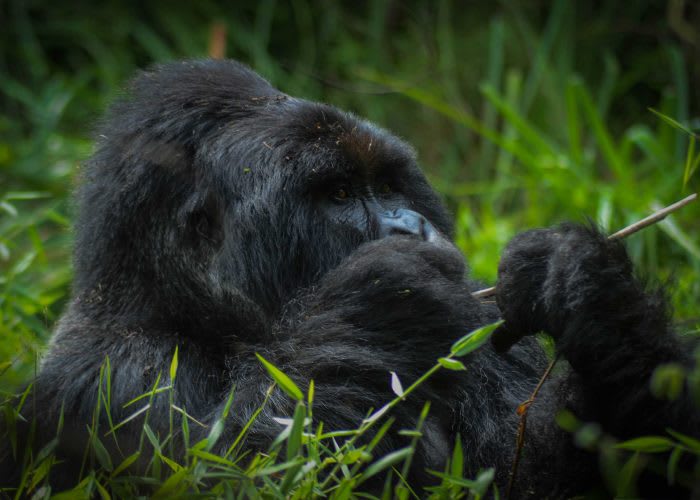
Mountain gorilla trekking in Bwindi is one of Africa's most extraordinary wildlife experiences. Visitors hike through dense, misty forests to encounter these magnificent creatures in their natural habitat. The trek typically takes 2-8 hours depending on gorilla location and terrain. You'll be guided by experienced trackers who locate the gorillas early morning, then lead small groups to observe them for a precious hour. The experience is physically demanding but deeply rewarding, offering intimate encounters with these intelligent, endangered animals. Bwindi is home to nearly half of the world's remaining mountain gorillas, making it one of the few places on Earth where this is possible.
Gorilla trekking in Bwindi ranges from moderate to strenuous depending on where the gorillas are located on any given day. The trek involves hiking through thick forest terrain at high altitude (ranging from 2,200 to 2,600 meters), with steep, muddy slopes and dense vegetation. You'll need reasonable cardiovascular fitness and the ability to walk for several hours on uneven ground. While it's not a technical climb, it does require stamina and determination. Trekkers of various ages complete it successfully, though those with knee or joint issues should consult their doctor beforehand. Wearing proper hiking boots, using walking poles, and maintaining a steady pace helps manage the physical demands.
Bwindi Impenetrable National Park can be visited year-round, but the best trekking conditions occur during the dry seasons: June to August and January to February. During these periods, trails are less muddy, visibility is clearer, and weather is more predictable. The rainy seasons (March to May and September to December) bring lush vegetation and fewer tourists, but trails become slippery and trekking is more physically challenging. Gorillas are present throughout the year, so sightings aren't seasonal. Choose your travel dates based on your preference for weather conditions and crowd levels rather than gorilla availability. Book well in advance as permits are limited and highly sought after.
Gorilla trekking permits are one of Africa's most expensive wildlife experiences, typically costing $1,500 per person for Uganda (prices can vary). This permit grants you access to Bwindi Impenetrable National Park and the opportunity to trek with a habituated gorilla family for one hour. The permit includes park entrance, a professional guide, and ranger accompaniment. Additional costs like accommodation, meals, transportation, and other activities are separate. Many safari packages bundle the permit with lodging and services to simplify planning. Permits must be booked in advance through authorized tour operators or the Uganda Wildlife Authority, as availability is limited and demand is high.
While mountain gorillas are the main attraction, Bwindi Impenetrable National Park hosts diverse wildlife. You may encounter forest elephants, buffalo, antelopes (including bushbuck and duiker), and various primate species like chimpanzees, colobus monkeys, and L'Hoest's monkeys. The park is also a birdwatcher's paradise with over 350 bird species, including rare Albertine endemics. Smaller creatures like forest hogs, giant forest hogs, and various amphibians inhabit the ecosystem. The dense forest environment means wildlife viewing can be challenging compared to open savanna parks, but encounters are often more intimate. Your guide's expertise in reading signs and tracking will enhance your chances of spotting these animals.
Proper packing is essential for gorilla trekking comfort and safety. Bring sturdy, waterproof hiking boots with good ankle support and grip, as trails are steep and muddy. Pack lightweight, quick-dry clothing in neutral colors (avoid bright colors that disturb wildlife), including long sleeves and pants for protection from vegetation and insects. A waterproof jacket is crucial even in dry season, as mist and rain are common. Include a warm fleece or sweater for early mornings and high altitude. Other essentials: daypack (15-20L), water bottle, sun protection (hat, sunscreen, sunglasses), insect repellent, personal medications, and a camera with extra batteries. Gaiters protect your lower legs from mud and insects. Leave heavy luggage at your hotel and carry only what you need for trekking.
Gorilla trekking is generally safe when conducted with experienced guides and proper precautions. The main risks are physical exertion at altitude and slippery terrain rather than wildlife encounters—habituated gorillas are accustomed to human visitors. However, you must maintain a 7-meter distance from gorillas and follow all guide instructions to protect both yourself and the animals. Health considerations include altitude (2,200-2,600 meters), which may cause mild discomfort for some visitors. Consult your doctor about vaccinations; yellow fever vaccination is recommended for Uganda, and malaria prophylaxis may be advised depending on your itinerary. The trek's physical demands mean those with heart conditions, severe joint problems, or respiratory issues should seek medical clearance. Bring a basic first aid kit and any personal medications needed.
The Batwa (also called Pygmies) are the indigenous people of the Bwindi region, with a rich cultural heritage spanning thousands of years. A Batwa cultural experience typically involves visiting a community, learning about their traditional hunter-gatherer lifestyle, customs, and relationship with the forest. You'll often participate in activities like traditional dancing, learning about medicinal plants, hearing stories, and enjoying local food. This encounter provides valuable insight into indigenous African cultures and supports local communities economically. The Batwa have deep knowledge of the forest ecosystem and wildlife, offering perspectives unavailable elsewhere. Visiting respectfully contributes to cultural preservation and community development. Many travelers find this experience as meaningful as the gorilla trekking itself, creating a more holistic understanding of the region.
Lake Bunyonyi is Uganda's second-deepest lake, located near Bwindi Impenetrable National Park. It's known for its stunning scenery—surrounded by steep, verdant hills and dotted with 29 islands. The lake offers a peaceful contrast to the intensity of gorilla trekking, making it an ideal place to relax and reflect. Activities include boat trips, island exploration, swimming (it's one of Africa's few freshwater lakes free from bilharzia), and birdwatching. The lake's tranquil environment is perfect for photography and connecting with nature. Local communities around the lake offer cultural interactions and traditional fishing demonstrations. Many travelers appreciate the scenic beauty and slower pace after physically demanding trekking. The combination of wildlife adventure and lakeside relaxation makes for a well-rounded safari experience.
A comprehensive 3-day Bwindi package typically includes accommodation, all meals, park entrance fees, professional guides, vehicle transportation, and airport transfers. Bottled water during activities and government taxes are usually covered. However, several costs are typically separate: international airfare, travel insurance (highly recommended), visa fees, vaccinations, alcoholic beverages, tips for guides and staff, personal shopping, and optional activities beyond the itinerary. The gorilla trekking permit itself is often the largest additional expense, ranging from $1,500 per person. When booking, clarify what's included versus excluded to avoid surprises. Travel insurance is essential given the remote location and physical demands. Budget extra for tips (10-15% is customary) and any activities you want to add, like additional boat trips or guided nature walks.
© 2026 SafariFind. All rights reserved.