3 daysPrivate
3-Day Classic Rwanda & Uganda Primate Safari
by
Highlights
- Gorilla Trekking
- Batwa Culture
Loading SafariFind...
by
SafariFind app
Keep up with your inquiries and bookings, and message operators wherever you are.

Day 1
Kigali
Meals: Lunch, Dinner
Day 2
Bwindi Impenetrable Forest
Meals: Breakfast, Lunch, Dinner
Day 3
Kigali
Meals: Breakfast, Lunch
Year Round
Year-round
| Season | 2 people |
|---|---|
Year Round Year-round | $2,166 |
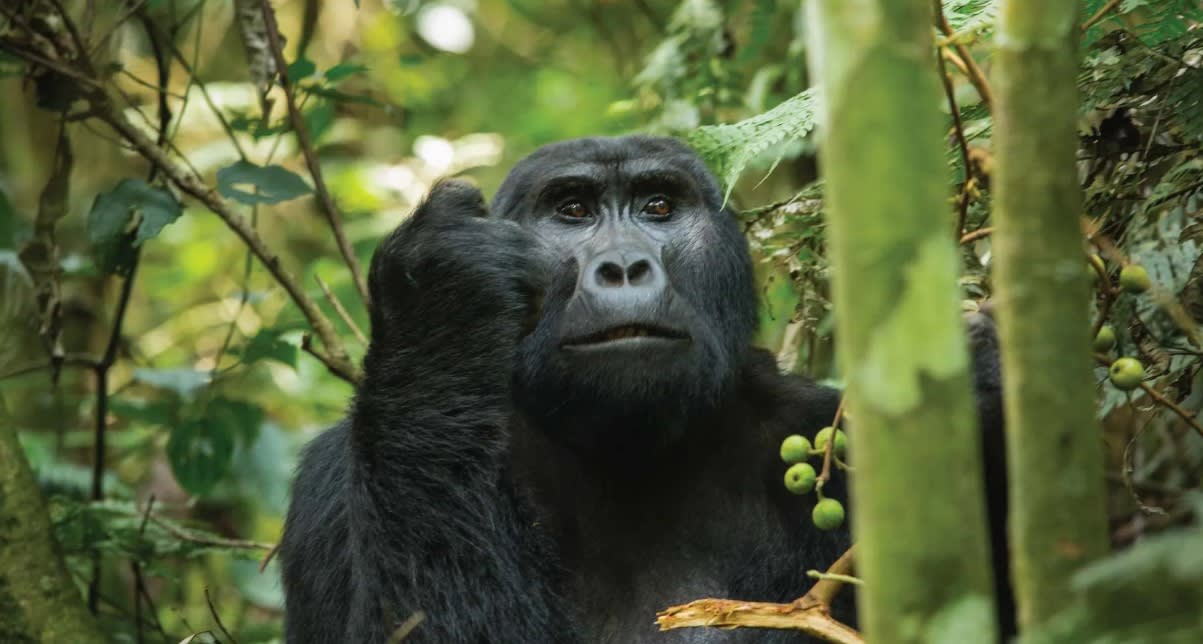
The primary focus of a Rwanda and Uganda primate safari is encountering endangered mountain gorillas in their natural habitat, particularly in Bwindi Impenetrable National Park. Beyond gorillas, you may also observe other primates including chimpanzees, various monkey species, and forest birds. The dense forest ecosystem of Bwindi and the surrounding regions supports diverse wildlife, though the experience is centered on the remarkable opportunity to observe these gentle giants up close in the wild. The park's pristine forests also provide opportunities to spot forest elephants, buffalo, and numerous bird species, making it a comprehensive primate and wildlife experience.
Mountain gorilla trekking in Bwindi is moderately to physically demanding, requiring a good level of fitness. Treks typically involve hiking through dense, misty forests on uneven terrain for 2 to 8 hours, depending on gorilla group locations. The terrain is steep and slippery, especially during rainy seasons, and the altitude ranges from 1,200 to 2,300 meters. However, experienced guides assist trekkers throughout the journey, and the experience is designed to be manageable for most reasonably fit adults. Proper hiking boots, rain gear, and a positive attitude are essential. Those with mobility concerns should consult with operators beforehand, as alternative experiences may be available.
The best times for gorilla trekking in Rwanda and Uganda are during the dry seasons: June to September and December to February. These periods offer the most stable weather, clearer skies, and easier trekking conditions through the forests. The shorter dry season (December to February) provides lush landscapes with fewer crowds, while the longer dry season (June to September) is peak season with higher visibility. Gorillas can be tracked year-round, but rainy seasons (March to May and October to November) make trails muddy and trekking more challenging, though the forests are more verdant and fewer tourists are present. Plan accordingly based on your preference for weather conditions and crowd levels.
Once a gorilla family is located during a trek, visitors are typically allowed one hour of observation time with the group. This hour is one of the most extraordinary wildlife experiences available, allowing you to watch gorillas in their natural behavior—feeding, playing, and interacting with family members. The actual trekking time to reach the gorillas can vary significantly, from 1 to 8 hours depending on their location within the forest. The total experience, including the trek to find them and the hour spent observing, typically takes a full day. This limited observation time is carefully regulated to minimize stress on the gorilla families and ensure their long-term conservation.
Essential items for a Rwanda and Uganda primate safari include sturdy, waterproof hiking boots, multiple layers of clothing (temperatures vary with altitude and weather), a rain jacket, and a warm fleece or sweater for early mornings and evenings. Pack neutral-colored, long-sleeved clothing to blend into the forest environment and protect against insects. Bring a good camera with extra batteries, binoculars, a hat, sunscreen, and insect repellent. Personal toiletries, any required medications, and a reusable water bottle are important. Lightweight, quick-dry clothing works best given the humid forest environment. Avoid bright colors and perfumes, which can disturb wildlife. A small daypack for carrying essentials during treks is highly recommended. Check with your operator for specific recommendations based on the season of travel.
Yes, gorilla trekking in Bwindi is generally safe when conducted with experienced, licensed guides and operators. The park is well-managed with established safety protocols, and guides are trained in wildlife behavior and emergency procedures. Mountain gorillas are typically not aggressive and are habituated to human presence through careful management. However, trekking involves physical exertion in remote terrain, so participants should be in reasonable health. The primary risks are related to the physical demands of hiking rather than gorilla encounters. Operators typically include flying doctors evacuation cover for emergencies. Travelers should also check current travel advisories and health recommendations for the region. Following guide instructions and park regulations is essential for both your safety and gorilla welfare.
A complete gorilla trekking experience typically takes 6 to 10 hours from start to finish. This includes pre-trek briefings at the park headquarters (usually 1 to 2 hours), the actual trek through the forest to locate the gorillas (which can range from 1 to 8 hours depending on their location), and the one-hour observation period once the family is found. After the observation period, there is generally a trek back to the starting point. The total duration varies based on factors such as gorilla group location, terrain conditions, weather, and your group's pace. Most operators schedule gorilla treks as full-day activities starting early in the morning to maximize your time in the forest and increase the likelihood of locating gorillas before nightfall.
A comprehensive 3-day Rwanda and Uganda primate safari typically includes national park entrance fees, professional safari guide services, all game drives and primate trekking activities, airport transfers, accommodation throughout the safari, meals as specified in the itinerary, and drinking water during activities. Many packages also include flying doctors evacuation cover for safety and peace of mind. However, international flights, visa fees, travel insurance, tips and gratuities for guides and staff, personal expenses, and alcoholic beverages are usually not included. It's important to clarify exactly what's covered with your operator before booking, as inclusions can vary. Ask specifically about meals, accommodation standards, and whether activities like city tours in Kigali are included or optional.
Visa requirements for Rwanda and Uganda depend on your nationality. Many countries' citizens can obtain visas on arrival or apply for e-visas online before travel. Rwanda offers an e-visa system that is straightforward and relatively quick. Uganda also provides visa-on-arrival services at major entry points. However, visa requirements change and vary by citizenship, so it's essential to check the official websites of the Rwanda and Uganda immigration authorities or contact your nearest embassy well in advance of your trip. Most safari operators can provide guidance on visa requirements for your specific nationality. Allow sufficient time for visa processing, especially if applying online, to avoid travel delays.
Before traveling to Rwanda and Uganda, consult with a travel medicine specialist or your doctor at least 4 to 6 weeks before departure. Common recommendations include vaccinations for yellow fever, typhoid, hepatitis A and B, and routine immunizations. Malaria prophylaxis is typically recommended, particularly for lower-altitude areas, though Bwindi's higher elevation presents lower malaria risk. Ensure your routine vaccinations are current. Practice good hygiene, drink only bottled or treated water, and use insect repellent to prevent mosquito-borne illnesses. Travel insurance that covers medical evacuation is highly advisable. Check current health advisories from your government's travel health authority before departure, as recommendations can change. Your safari operator can provide specific health guidance based on the areas you'll visit and the season of travel.
 GoExplore SafarisKampala, Uganda4.8(85 reviews)
© 2026 SafariFind. All rights reserved.
