3 daysPrivate
3-Day gorilla trekking safari
by
Highlights
- Gorilla trekking
- Batwa cultural experince
Loading SafariFind...
by
SafariFind app
Keep up with your inquiries and bookings, and message operators wherever you are.

Travel from Kampala/Entebbe to Bwindi Impenetrable Forest National Park
Meals: Lunch, Dinner
Gorilla tracking adventure
Meals: Breakfast, Lunch, Dinner
Travel back from Bwindi Impenetrable Forest National Park to Kampala/Entebbe
Meals: Breakfast, Lunch
Year Round
Year-round
| Season | Solo traveller | 2 people | 3 – 4 people | 5 – 6 people | 7+ people | Child rate | Single suppl. |
|---|---|---|---|---|---|---|---|
Year Round Year-round | $4,335 | $2,890 | $2,601 | $2,457 | $2,312 | $2,023 | $867 |
Child rate applies to travelers under 12 years. Single supplement applies to solo travelers taking their own room.
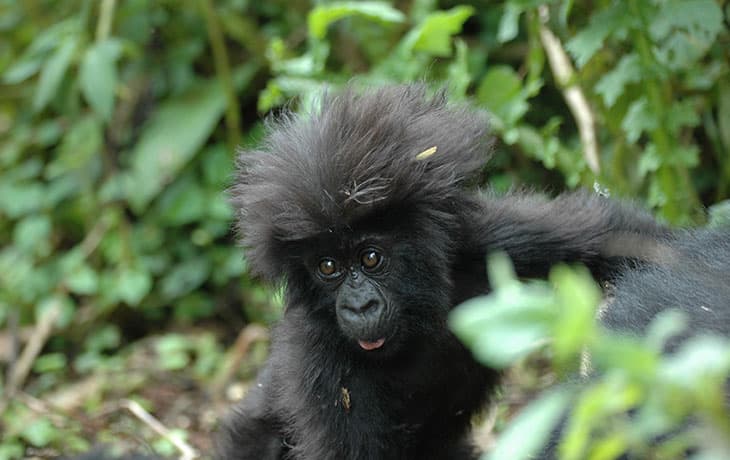
Mountain gorillas are critically endangered, with fewer than 1,100 individuals remaining in the wild. More than half of the remaining population lives in Uganda's Bwindi Impenetrable National Park, making it one of the most important sanctuaries for this species. The other populations are found in Rwanda and the Democratic Republic of Congo. Conservation efforts, including gorilla tourism and anti-poaching initiatives, have helped stabilize and slightly increase their numbers in recent years.
Gorilla trekking in Bwindi is possible year-round, but the best times are during the dry seasons: June to August and December to February. During these months, trails are less muddy, visibility is better, and weather conditions are more favorable for trekking. However, gorillas can be tracked in any season. The park receives rainfall throughout the year, so waterproof gear is essential regardless of when you visit. Early morning starts are standard for all gorilla tracking expeditions.
Bwindi Impenetrable National Park is home to approximately 12 habituated gorilla families or groups. These groups have been accustomed to human presence over many years, making them suitable for tourism. Each family typically consists of 5 to 30 individuals led by a dominant silverback male. Visitors are assigned to one family for their trekking experience, and the chance of seeing your assigned group is very high, though sightings are never 100% guaranteed due to the wild nature of these animals.
Gorilla trekking in Bwindi ranges from moderate to challenging, depending on the specific gorilla family's location and the terrain. Treks can last anywhere from 2 to 8 hours and involve hiking through dense forest, steep slopes, and muddy paths at high altitude (between 4,300 and 8,000 feet). A reasonable level of fitness is recommended, though people of varying abilities successfully complete treks each year. Proper hiking boots, rain gear, and physical preparation are essential. Your professional guide will set a comfortable pace and provide support throughout the experience.
Essential items for gorilla trekking include sturdy, waterproof hiking boots, long-sleeved shirts and pants (to protect from vegetation and insects), a waterproof rain jacket, a warm fleece or sweater for early mornings, a wide-brimmed hat, and sunscreen. Bring a good camera with extra batteries, binoculars, and a small backpack with water and snacks. Insect repellent, personal medications, and a headlamp are also recommended. Pack layers, as weather can change quickly in the forest. Leave valuables and unnecessary items in your accommodation to keep your pack light during the trek.
Gorilla trekking in Uganda's Bwindi Impenetrable National Park is generally safe when conducted with experienced guides and following strict protocols. Habituated gorillas are accustomed to human visitors and attacks are extremely rare. Safety guidelines include maintaining a minimum distance of 7 meters from gorillas, moving slowly and quietly, and following all instructions from your professional guide. The main risks are environmental—steep terrain, slippery paths, and altitude—rather than from the gorillas themselves. Choosing a reputable operator with certified guides significantly enhances your safety and experience.
Gorilla trekking permits in Uganda cost $700 USD per person and are typically included in package prices. Total costs for a 3-day gorilla trekking safari usually range from $1,500 to $3,500+ per person, depending on accommodation quality, included services, and the operator. Budget options offer basic but comfortable lodges, while luxury packages feature high-end accommodations and personalized services. Costs typically include park permits, accommodation, meals, transportation, and a professional guide. International flights, travel insurance, visa fees, and tips are usually additional expenses not included in the package price.
While specific vaccination requirements depend on your home country and current health conditions, most travelers to Uganda are advised to be vaccinated against yellow fever, typhoid, and routine immunizations. Malaria prophylaxis is recommended for most regions of Uganda, including areas near Bwindi. Consult your healthcare provider or a travel clinic at least 4 to 6 weeks before your trip to receive personalized medical advice based on your health history and travel plans. Check current health advisories from official sources like the CDC or WHO for the most up-to-date recommendations.
The success rate for gorilla sightings in Bwindi is very high, typically 95-98% when trekking with habituated families. However, sightings are never guaranteed since gorillas are wild animals that move freely throughout the forest. Factors affecting sightings include weather conditions, the gorilla family's daily movement patterns, and trekking duration. Your professional guide uses tracking experience and knowledge of each family's habits to maximize your chances. Even if you don't see gorillas on the first day, most operators allow a second trek attempt at no additional permit cost to increase your chances of success.
A typical gorilla trekking experience in Bwindi begins early in the morning and can last anywhere from 2 to 8 hours, depending on the location of your assigned gorilla family. Once you locate the gorillas, you're allowed to spend up to one hour observing them in their natural habitat. The trek itself involves hiking through dense forest terrain, which accounts for most of the time. Early starts (usually 7-8 AM) are standard to maximize daylight and increase the chances of locating the gorillas before afternoon. Fitness level and the specific family's location will determine your trek duration.
© 2026 SafariFind. All rights reserved.