 1 / 4
1 / 4 3 daysshared
3-Day Zanzibar to Serengeti Fly-In Safari with Ngorongoro Crater Adventure
by
Highlights
- Ideal short luxury-style safari combining efficiency, comfort, and maximum wildlife experience
Loading SafariFind...
1 / 4by
Zanzibar → Serengeti National Park
Serengeti National Park
Meals: Dinner
Full Day Serengeti Safari → Ngorongoro Highlands
Ngorongoro Crater
Meals: Breakfast, Lunch, Dinner
Ngorongoro Crater → Arusha → Zanzibar
Zanzibar
Meals: Breakfast
Year Round
Year-round
| Season | 2 people |
|---|---|
Year Round Year-round | $2,475 |
The Serengeti is home to an incredibly diverse array of wildlife, making it one of Africa's premier game viewing destinations. You can expect to see lions, elephants, giraffes, zebras, wildebeest, buffalo, leopards, cheetahs, hyenas, and numerous antelope species including gazelles and impalas. The park also hosts a variety of bird species and smaller mammals. Depending on the season, you may witness the Great Migration, when over two million wildebeest and zebras move across the plains in search of fresh grazing grounds—one of nature's most spectacular events. The abundance and diversity of wildlife in the Serengeti means that even during a short 3-day safari, you'll have excellent opportunities to encounter these iconic African animals.
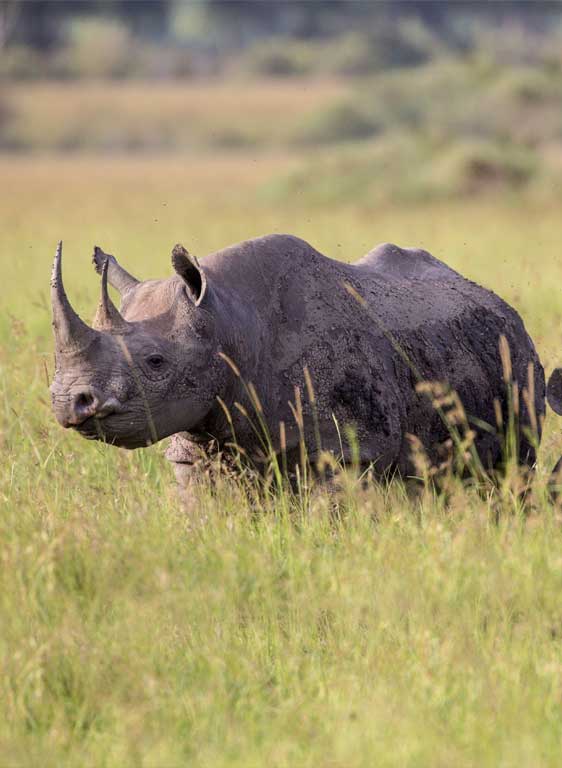
Yes, the Ngorongoro Crater is renowned as one of Africa's best locations to see the Big Five—lion, elephant, buffalo, leopard, and black rhino—often within a single day. The crater's unique ecosystem is particularly notable for its population of black rhinos, which are rare elsewhere in Tanzania. The crater's compact size and high concentration of wildlife make it exceptionally efficient for spotting all five species. The crater's enclosed environment means animals have limited space to roam, which actually increases your chances of encounters compared to larger parks. This makes the Ngorongoro Crater an exceptional destination for travelers with limited time who want to maximize their chances of seeing Africa's most iconic animals.
The Serengeti offers excellent wildlife viewing year-round, but the best time depends on what you want to experience. The dry season from June to October is generally considered peak season, offering excellent visibility, concentrated wildlife around water sources, and the opportunity to witness the Great Migration as it moves through the northern Serengeti. The wet season from November to May brings lush green landscapes, abundant birdlife, and calving season (December to February), when newborn wildebeest and zebras attract predators. For the Great Migration specifically, July to October offers the most dramatic river crossings and mass movements. However, even during shoulder seasons, the Serengeti delivers outstanding game viewing, and a 3-day safari can be productive at any time of year with an experienced guide.
A fly-in safari from Zanzibar to the Serengeti is significantly faster and more convenient than overland travel. The scenic flight from Zanzibar typically takes approximately 1.5 to 2 hours, depending on wind conditions and the specific airstrip. This direct flight eliminates the need for long, tiring road transfers and allows you to maximize your time on safari. By flying directly into the Serengeti, you can begin game viewing almost immediately upon arrival, which is especially valuable for a 3-day safari where every hour counts. The return journey follows a similar timeline, with transfers arranged through Arusha. This fly-in approach makes it possible to experience the Serengeti and Ngorongoro Crater comprehensively in just three days, a feat that would be difficult to achieve via overland routes.
Packing for a Tanzanian safari requires preparation for varying conditions and wildlife encounters. Essential items include: lightweight, neutral-colored clothing (khaki, beige, green, and brown) for game drives; a warm fleece or jacket for early morning and evening game drives when temperatures drop; sturdy, closed-toe hiking boots or safari shoes for walking and crater descents; a wide-brimmed hat and high-SPF sunscreen for sun protection; binoculars for wildlife viewing; a camera with a good zoom lens; and any personal medications. Bring layers, as temperatures vary significantly between the lowland Serengeti and the highland Ngorongoro Crater. Pack a light rain jacket during wet seasons. Don't forget toiletries, insect repellent (especially for malaria prevention), and any required travel documents. Most importantly, avoid bright colors and perfumes that might disturb wildlife. A good travel guide or your safari operator can provide a detailed packing list specific to the season of your visit.
Visa requirements for Tanzania depend on your nationality and are subject to change. Most international visitors require a visa to enter Tanzania, which can be obtained in advance from a Tanzanian embassy or consulate, or upon arrival at major airports (though advance application is often recommended). Some countries have visa exemptions or visa-on-arrival arrangements. It's essential to check the current requirements with the Tanzanian government or your nearest embassy well before your trip—ideally several months in advance if you're applying for a visa beforehand. Additionally, ensure your passport is valid for at least six months beyond your travel dates, as this is a standard requirement for entry into Tanzania. Your safari operator or travel agent can provide guidance on visa procedures, but the official source for the most current information is the Tanzania Immigration Services or your country's Tanzanian embassy.
Before traveling to Tanzania for a safari, consult with a travel medicine clinic or your healthcare provider at least 4-6 weeks before departure. Malaria is present in Tanzania, particularly in lower-altitude areas like the Serengeti, so antimalarial medication is typically recommended. Yellow fever vaccination may be required or recommended depending on your itinerary and origin country. Ensure routine vaccinations are up to date, and consider vaccinations for typhoid, hepatitis A and B, and Japanese encephalitis depending on your health history and risk factors. Practice mosquito bite prevention by using insect repellent, wearing long sleeves and pants during dawn and dusk, and sleeping under mosquito nets. Drink only bottled or purified water, and be cautious with food hygiene. Travel insurance that covers medical evacuation is highly recommended. Your safari operator can provide specific health recommendations based on current conditions, but always consult official health authorities like the CDC or WHO for the most current health advisories before your trip.
The Ngorongoro Crater is a UNESCO World Heritage Site and one of Africa's most remarkable natural wonders. Formed approximately 2-3 million years ago when a massive volcanic cone collapsed, the crater is the world's largest intact volcanic caldera. Its 260 square kilometers of enclosed ecosystem create a self-contained wildlife sanctuary with minimal animal migration in or out, resulting in exceptional wildlife concentration and diversity. The crater floor sits at approximately 2,100 meters elevation and is surrounded by walls reaching up to 600 meters high, creating a dramatic and visually stunning landscape. What makes it particularly special is the unprecedented opportunity to see the Big Five, including the rare black rhino, within a single compact area. The crater's ecosystem supports over 25,000 large animals and is also significant for its archaeological importance—it's near the Olduvai Gorge, where crucial evidence of human evolution has been discovered. A descent into the crater is often the highlight of any Tanzanian safari.
A well-planned 3-day safari can deliver remarkable wildlife viewing, especially when it combines prime destinations like the Serengeti and Ngorongoro Crater with fly-in convenience. In the Serengeti alone, a full day of game drives typically yields sightings of multiple lion prides, elephants, giraffes, zebras, wildebeest, and numerous other species. The Ngorongoro Crater, with its concentrated wildlife, often provides Big Five sightings in a single day. Professional guides maximize sightings through knowledge of animal behavior, seasonal patterns, and real-time communication with other guides about recent animal activity. Early morning and late afternoon game drives, when animals are most active, increase your chances significantly. While a 3-day safari may not provide the exhaustive experience of a week-long journey, it's sufficient to witness iconic African wildlife and create unforgettable memories. The quality of your experience depends heavily on your guide's expertise, the season, and some element of luck—but three days in the Serengeti and Ngorongoro rarely disappoint.
Most safari packages include three meals daily—breakfast, lunch, and dinner—as part of their all-inclusive offerings. Breakfasts are typically hearty affairs served before early morning game drives, often featuring fresh fruits, cereals, eggs, and bread. Lunch is usually a packed meal or served at a lodge between game drives, and dinner is a more substantial meal at your accommodation. Meals generally feature a mix of international and local Tanzanian cuisine. Dietary restrictions and preferences can usually be accommodated, but it's crucial to communicate these in advance when booking your safari. If you have specific dietary needs—vegetarian, vegan, gluten-free, allergies, or religious requirements—inform your operator well before departure so they can arrange appropriate meals and notify the lodges and guides. Most safari operators are experienced in handling dietary requests and will do their best to ensure you're well-fed and satisfied throughout your journey. Confirm these arrangements during the booking process to avoid disappointment.
 Pumba ReisenArusha, Tanzania
© 2026 SafariFind. All rights reserved.
