 1 / 7
1 / 7 4 daysshared
4-Day Elite African Safari Experience
Highlights
- wildlife viewing
Loading SafariFind...
1 / 7Tarangire National Park
Tarangire National Park
Meals: Lunch, Dinner
Serengeti National Park
Serengeti National Park
Meals: Breakfast, Lunch, Dinner
Serengeti National Park
Serengeti National Park
Meals: Breakfast, Lunch, Dinner
Ngorongoro Crater
Ngorongoro Crater
Meals: Breakfast
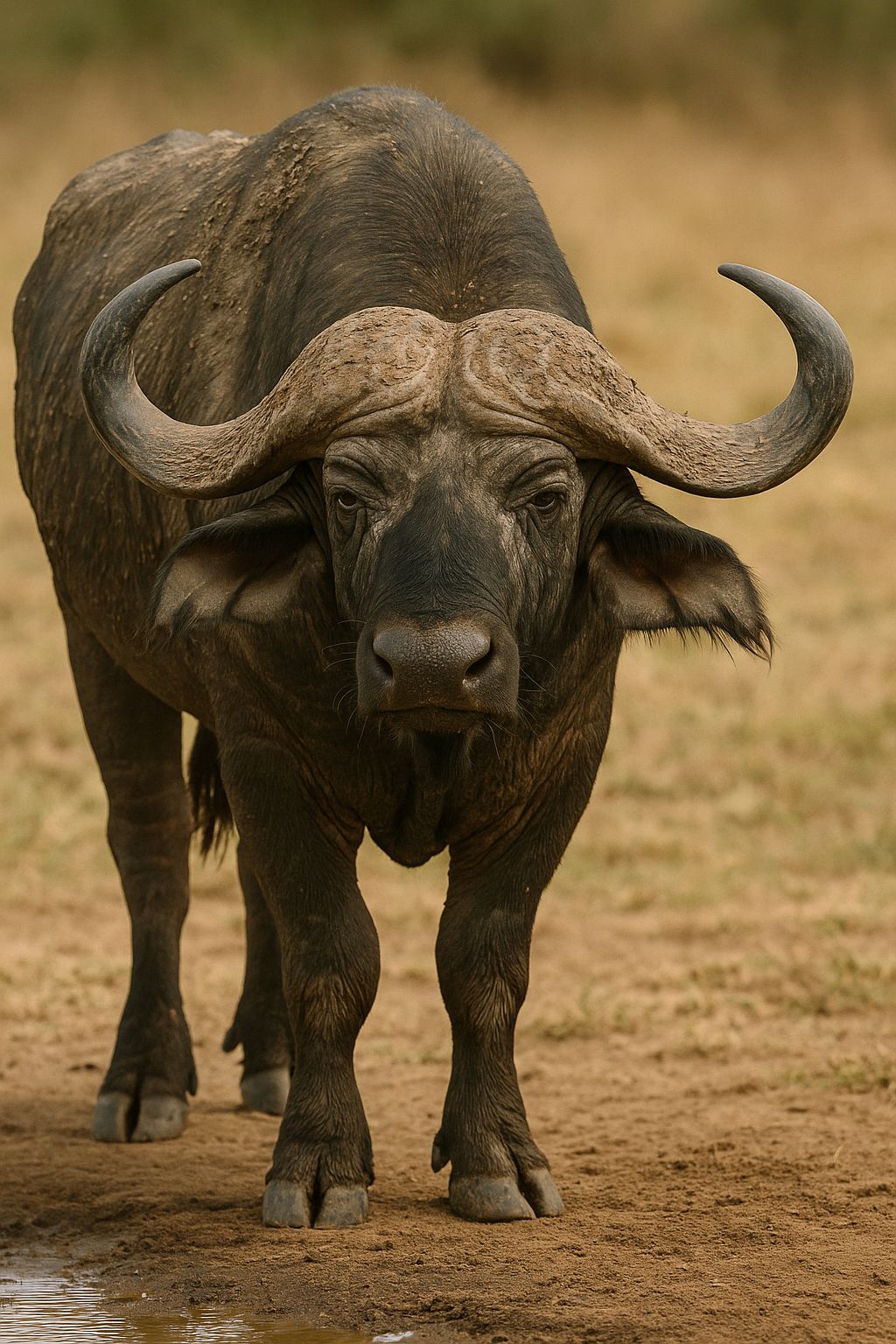
Northern Tanzania is home to an incredible diversity of wildlife. In Tarangire National Park, you'll encounter large elephant herds, buffalo, giraffes, zebras, wildebeest, and various antelope species. The Serengeti is famous for its massive concentrations of lions, leopards, cheetahs, and the annual wildebeest migration. The Ngorongoro Crater supports one of the highest concentrations of large mammals in Africa, including black rhinos, hyenas, and numerous bird species. Throughout these destinations, you'll also spot warthogs, baboons, and an extraordinary variety of birdlife.
The best time for wildlife viewing in Northern Tanzania is during the dry season, typically from June to October, when animals congregate around water sources, making them easier to spot. December to February is also excellent, offering lush landscapes and good wildlife viewing. The Serengeti's Great Migration typically occurs between June and October as herds move between Tanzania and Kenya. During the wet season (November-May), the landscape is greener and bird watching is exceptional, though some roads may be challenging.
The Ngorongoro Crater is a UNESCO World Heritage Site and one of Africa's most remarkable natural wonders. It's the world's largest intact caldera, formed millions of years ago and now serving as a natural amphitheater for wildlife. What makes it special is that it's essentially a self-contained ecosystem with permanent water sources and diverse habitats supporting one of the highest concentrations of large mammals on the continent. In a single day, you can encounter lions, elephants, buffalo, zebras, hippos, and flamingos without leaving the crater floor—making it uniquely efficient for wildlife viewing.
A 4-day safari is an excellent duration for experiencing Northern Tanzania's major destinations. This timeframe allows you to visit Tarangire National Park, the Serengeti, and the Ngorongoro Crater with meaningful time in each location for multiple game drives and wildlife encounters. While shorter safaris are possible, 4 days provides a good balance between travel time and wildlife viewing opportunities. Many travelers extend to 5-7 days for a more leisurely experience and increased chances of witnessing rare animal behaviors or predator interactions.
Pack neutral-colored, lightweight clothing in earth tones (khaki, tan, olive) that blend with the landscape and don't disturb wildlife. Bring layers as mornings and evenings can be cool, especially at higher elevations. Essential items include a wide-brimmed hat, high-SPF sunscreen, quality sunglasses, and sturdy walking shoes. Pack binoculars for better wildlife viewing and a camera with a good zoom lens. Don't forget insect repellent, a light rain jacket, and toiletries. Bring any prescription medications and basic first-aid supplies. Check current health recommendations for vaccinations and malaria prophylaxis before departure.
Most international visitors require a visa to enter Tanzania. You can obtain a visa on arrival at Julius Nyerere International Airport in Dar es Salaam, or apply in advance through a Tanzanian embassy or consulate in your home country. Processing times and requirements vary by nationality, so check the official Tanzanian immigration website or contact your nearest embassy well in advance of your travel dates. You'll also need a passport valid for at least 6 months beyond your intended stay. Some nationalities may be exempt—verify your specific requirements early in your planning process.
Yellow fever vaccination is recommended for travelers to Tanzania and may be required depending on your arrival country. Vaccinations against hepatitis A, hepatitis B, typhoid, and routine immunizations (MMR, tetanus) are also commonly recommended. Malaria prophylaxis is strongly advised for most regions, particularly at lower elevations. Consult with a travel medicine specialist or your doctor at least 4-6 weeks before departure to determine which vaccinations and preventive medications are appropriate for your health profile and specific itinerary. Requirements and recommendations can vary based on your home country and current health advisories.
A comprehensive safari package typically includes all national park entrance fees, professional English-speaking guides, accommodation throughout your journey, airport transfers, and government taxes. These inclusions cover the essential elements of your safari experience, allowing you to focus on wildlife viewing and exploration. However, items such as international airfare, travel insurance, visa fees, alcoholic beverages, tips for guides and staff, personal expenses, and optional activities are usually not included. Travel vaccinations and any required medications are your responsibility. Always review the specific inclusions and exclusions with your safari operator to avoid surprises.
Safari costs in Northern Tanzania vary significantly based on season, accommodation level, group size, and operator. Budget safaris may range from $1,500-$2,500 per person for 4 days, while mid-range options typically cost $2,500-$5,000, and luxury safaris can exceed $5,000-$10,000+ per person. Costs are generally lower during the wet season and higher during peak dry season months. Additional expenses to budget for include international flights, travel insurance, visa fees, tips, meals not included in your package, drinks, and optional activities. Booking during shoulder seasons can offer better value while still providing excellent wildlife viewing opportunities.
Tanzania is generally a safe destination for safari tourism, with well-established safari infrastructure and experienced operators. The national parks are secure and actively managed. However, like any travel destination, it's wise to take standard precautions: use reputable safari operators, avoid displaying valuable items, stay aware of your surroundings in towns, and follow your guide's instructions during game drives. Health-wise, take malaria prophylaxis as recommended, practice good hygiene, and drink only purified water. Check current travel advisories from your government before departure. Traveling with a professional guide significantly enhances both safety and your overall safari experience.
© 2026 SafariFind. All rights reserved.