 1 / 5
1 / 5 4 daysPrivate
4-Day Flowing with the Delta – Motorized Boat Safari in Chief’s Island
by
Highlights
- Wildlife viewing
Loading SafariFind...
1 / 5by
SafariFind app
Keep up with your inquiries and bookings, and message operators wherever you are.

Arrival & First Drift into the Delta
Chief's Island
Meals: Lunch, Dinner
Following The Hidden Channels
Chief's Island
Meals: Breakfast, Lunch, Dinner
Full Day Adventure & Island Exploration
Chief's Island
Meals: Breakfast, Lunch, Dinner
Chiefs Island Departure
Maun
Meals: Breakfast
Year Round
Year-round
| Season | Solo traveller | 2 people | 3 – 4 people | 5 – 6 people | 7+ people | Child rate | Single suppl. |
|---|---|---|---|---|---|---|---|
Year Round Year-round | $2,025 | $1,350 | $1,215 | $1,148 | $1,080 | $945 | $405 |
Child rate applies to travelers under 12 years. Single supplement applies to solo travelers taking their own room.
The Okavango Delta is home to an incredible variety of wildlife that you can observe from a motorized boat. You'll commonly encounter elephants coming to the water's edge to drink, hippos lounging in the channels and lagoons, and numerous bird species including fish eagles, herons, and African skimmers. The Delta's waterways also attract crocodiles, antelopes, and various waterfowl. The motorized boat allows you to navigate through winding channels and open lagoons while maintaining a safe distance from animals in their natural habitat. Early morning and late afternoon cruises are particularly rewarding for wildlife viewing as animals are most active during these cooler parts of the day.
Yes, the Okavango Delta is a safe destination for tourists when you follow proper safety guidelines and travel with experienced guides. Professional English-speaking guides accompany all excursions and are trained in wildlife behavior and safety protocols. Motorized boat safaris are conducted from secure vessels, and camps provide secure accommodations. As with any wildlife destination, it's important to respect animals, follow your guide's instructions, and avoid wandering alone. Standard travel precautions like travel insurance and recommended vaccinations are advisable. The Delta has a well-established tourism infrastructure with reputable operators who prioritize guest safety.
The best time to visit the Okavango Delta depends on what you want to experience. The dry season from May to September offers the most concentrated wildlife viewing as animals congregate around water sources, making them easier to spot from boats. During this period, water levels are lower, and channels become more navigable. The green season from November to March brings lush vegetation, migratory birds, and fewer tourists, though some areas may be less accessible by boat due to flooding. April and October are shoulder seasons with pleasant weather and good wildlife activity. Year-round, the Delta offers exceptional birdwatching and aquatic wildlife viewing. Consider your wildlife preferences and tolerance for heat when planning your visit.
For a motorized boat safari, pack lightweight, neutral-colored clothing in breathable fabrics to stay comfortable in the heat and avoid alarming wildlife. Bring a wide-brimmed hat, sunglasses, and high-SPF sunscreen for protection from intense sun reflection off the water. A light jacket or fleece is essential for early morning and evening cruises when temperatures drop. Waterproof bags protect cameras and valuables from water spray. Binoculars and a camera with a good zoom lens enhance wildlife viewing. Don't forget insect repellent, medications, and toiletries. Comfortable walking shoes and sandals are practical for camp. Pack layers as evenings can be cool, and consider a headlamp for navigating camp after dark. Bottled water is provided during excursions, but a reusable water bottle is convenient for camp use.
A 4-day safari provides an excellent introduction to the Okavango Delta, allowing you to experience multiple boat excursions, wildlife encounters, and the unique ecosystem from different perspectives. This duration gives you time to explore various channels and lagoons, observe wildlife patterns across different times of day, and truly immerse yourself in the Delta's rhythm. Four days typically includes several guided boat cruises, sunrise and sunset experiences, and time to relax at camp between excursions. While longer safaris of 5-7 days allow for deeper exploration and increased wildlife sightings, a 4-day trip captures the essence of the Delta and is ideal for first-time visitors with limited time. The experience is concentrated yet unhurried, balancing activity with relaxation.
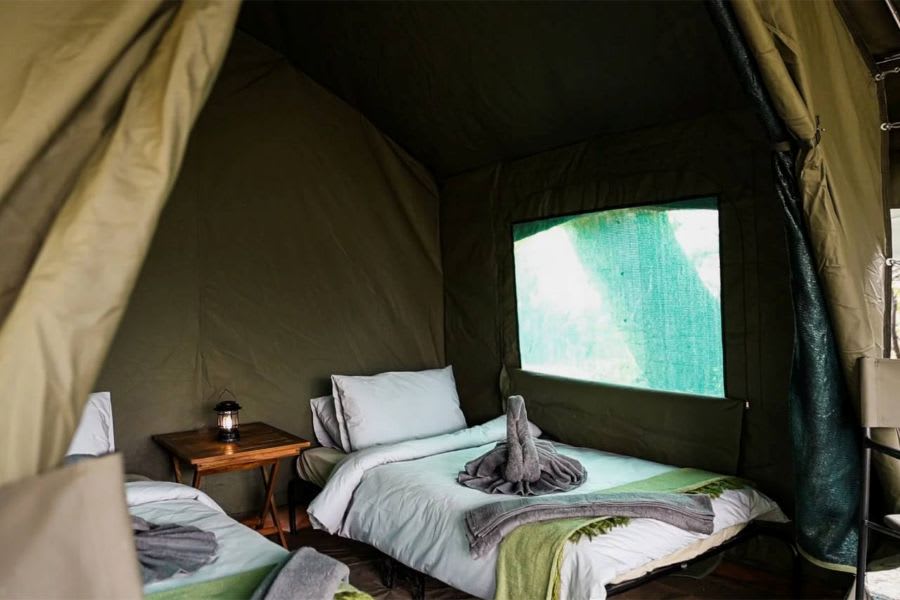
Most Okavango Delta safari packages include full-board accommodations with three meals daily—breakfast, lunch, and dinner—served in camp or during excursions. Breakfast is typically a hearty affair to fuel your morning boat safari, while brunch or lunch may be served in camp or at scenic locations along the water. Dinners are often memorable experiences, sometimes featuring starlit dining under the African sky. Accommodations range from comfortable safari lodges to tented camps, all designed to provide a balance of comfort and immersion in nature. Camp facilities typically include en-suite bathrooms, comfortable beds, and common areas for relaxation. The all-inclusive nature of meals means you can focus entirely on experiencing the Delta without worrying about additional food costs, though premium beverages and special requests may incur extra charges.
Visa requirements for Botswana depend on your nationality. Many countries, including the United States, United Kingdom, Canada, and European Union nations, receive visa-free or visa-on-arrival access for tourism purposes, typically allowing stays of up to 90 days. However, some nationalities do require advance visa applications. It's essential to check the current visa requirements with the Botswana immigration website or your nearest Botswana embassy or consulate well before your travel dates, as requirements can change. Ensure your passport is valid for at least six months beyond your intended departure date. Additionally, while not a visa requirement, many travelers to Botswana are advised to have certain vaccinations; consult your healthcare provider about recommended immunizations for the region.
Typical Okavango Delta safari packages include park entrance fees, accommodation, three daily meals, professional English-speaking guides, bottled water during excursions, and airport transfers. These inclusions ensure you have a comprehensive experience without worrying about major costs once you arrive. However, most packages exclude international airfare, visa fees, travel insurance, personal expenses, vaccinations, and tips or gratuities for guides and staff. Optional activities such as specialized photography tours, spa treatments, or additional excursions are usually not included. It's important to clarify exactly what your specific package covers before booking, as inclusions can vary between operators and package types. Budget separately for travel insurance, vaccinations, and gratuities, which are highly recommended.
Motorized boat safaris and walking safaris offer distinctly different wildlife viewing experiences. Boat safaris, particularly in the Okavango Delta, provide access to aquatic wildlife like hippos, crocodiles, and water birds that you wouldn't encounter on foot, and they allow you to cover larger areas efficiently while minimizing physical exertion. The elevated vantage point from a boat offers excellent photography opportunities and reduces your scent and noise disturbance to animals. Walking safaris, by contrast, offer a more intimate, immersive experience with closer encounters to terrestrial wildlife and a deeper connection to the landscape. Boat safaris are ideal for those with mobility concerns or those seeking comfort and extensive coverage, while walking safaris appeal to adventure seekers wanting a more active, personal experience. Many travelers choose to combine both for a comprehensive safari experience.
For successful wildlife photography on a boat safari, bring a camera with a good telephoto lens (200mm or greater) to capture distant subjects without disturbing animals. A polarizing filter reduces water glare and enhances sky colors. Keep your camera settings flexible to adjust quickly for changing light conditions during sunrise and sunset cruises. Stabilize your camera using a bean bag or monopod to reduce motion blur from the moving boat. Shoot during golden hours—early morning and late afternoon—when light is warm and flattering. Be patient and observant; anticipate animal behavior rather than chasing subjects. Respect wildlife and your guide's instructions; never lean over the boat or make sudden movements that could startle animals or create safety risks. A fast memory card and extra batteries are essential, as you may encounter numerous photo opportunities throughout your safari.
 Wild Spirit TravelMaun, Botswana5.0(7 reviews)
© 2026 SafariFind. All rights reserved.
