4 daysprivate
4-Day Serengeti , Ngorongoro and Materuni Waterfalls
by
Highlights
- Explore the iconic Serengeti National Park
Loading SafariFind...
by
Day 1
Serengeti National Park (South)
Meals: Lunch, Dinner
Day 2
Serengeti National Park (South)
Meals: Breakfast, Lunch, Dinner
Day 3
Ngorongoro Crater
Meals: Breakfast, Lunch, Dinner
Day 4
MATERUNI WATERFALL
Meals: Breakfast, Lunch
Year Round
Year-round
| Season | Solo traveller |
|---|---|
Year Round Year-round | $2,550 |
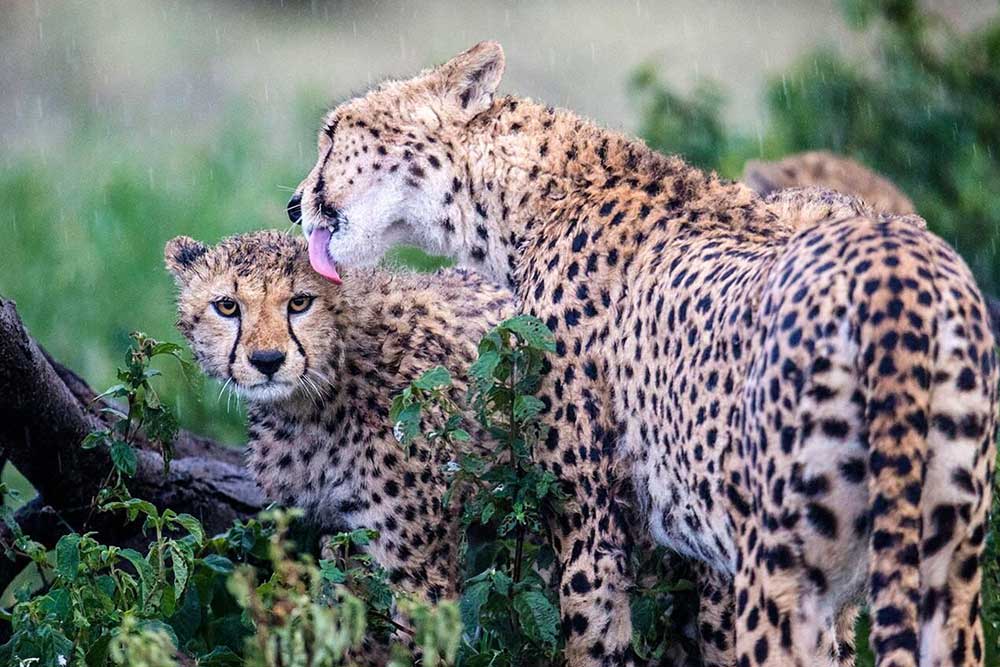
The Serengeti is home to an incredible variety of wildlife, including the Big Five (lions, elephants, buffalo, leopards, and rhinos), as well as giraffes, zebras, wildebeests, cheetahs, hyenas, and numerous bird species. The park's vast grasslands support one of the largest concentrations of wildlife in Africa. Your chances of seeing predators in action are particularly high, making the Serengeti one of the world's premier destinations for wildlife viewing. The specific animals you encounter will depend on the season and your location within the park during your game drives.
The Serengeti and Ngorongoro Crater can be visited year-round, but the best times depend on what you want to experience. The dry seasons (June to October and January to February) offer excellent wildlife viewing as animals congregate around water sources, and the landscape is clearer for photography. June to October is particularly renowned for the Great Migration, when massive herds of wildebeests and zebras move across the plains. The wet season (November to May) brings lush landscapes, fewer tourists, and excellent bird watching, though some roads may be more challenging. Consider your priorities when choosing your travel dates.
The Great Migration is one of the world's most spectacular natural events, featuring the movement of over 1.5 million wildebeests, zebras, and other herbivores across the Serengeti and Masai Mara ecosystems. This annual migration follows ancient routes in search of fresh grazing and water. The herds typically move from the southern Serengeti (December to April) to the northern plains and Kenya's Masai Mara (July to October), creating dramatic river crossings and predator-prey interactions. Witnessing parts of this event is a once-in-a-lifetime experience, and timing your safari during migration season significantly increases your chances of seeing this natural wonder.
While there's no guaranteed timeframe for seeing all five members of the Big Five, a 4-day safari provides a solid opportunity to encounter most of them, especially in well-stocked parks like the Serengeti and Ngorongoro Crater. Many travelers see multiple Big Five species within this duration, though sightings depend on factors like season, time of day, wildlife distribution, and luck. Longer safaris (5-7 days) increase your odds of complete Big Five sightings. Working with an experienced professional safari guide significantly improves your chances, as they know animal behavior patterns and the best locations for spotting different species.
The Ngorongoro Crater is a UNESCO World Heritage Site and one of Africa's most unique ecosystems. It's the world's largest intact volcanic caldera, featuring a crater floor approximately 20 kilometers wide that contains its own self-contained ecosystem. The crater supports an estimated 25,000 animals, including lions, elephants, buffalo, zebras, and wildebeests, all thriving within this natural amphitheater. The crater's unique geography means animals are concentrated in a relatively small area, offering exceptional wildlife viewing opportunities. The stunning landscape, combined with incredible biodiversity, makes it a must-visit destination for any safari enthusiast.
Essential safari packing includes lightweight, neutral-colored clothing (greens, tans, and browns help with wildlife viewing), a warm layer for early morning game drives, sturdy closed-toe hiking boots, and a wide-brimmed hat. Bring high-SPF sunscreen, sunglasses, and insect repellent. A good camera with a telephoto lens is invaluable for wildlife photography. Don't forget binoculars, a reusable water bottle (drinking water is provided in vehicles), and any personal medications. Pack light, as most safari lodges have laundry facilities. Consider a small daypack for game drives. Neutral colors are preferable to bright patterns, as they're less likely to startle wildlife. Check weather forecasts for your specific travel dates and pack accordingly.
Yes, safaris in Tanzania are generally safe when conducted through reputable operators with experienced guides and proper safety protocols. The Serengeti and Ngorongoro are well-established tourist destinations with professional infrastructure. Game drives are conducted from vehicles, keeping a safe distance from wildlife. Your professional safari guide will brief you on safety procedures and wildlife behavior. It's important to follow your guide's instructions at all times, stay inside vehicles during game drives, and respect wildlife boundaries. Standard travel precautions apply—keep valuables secure, use registered taxis, and be aware of your surroundings in towns. Travel insurance is recommended. Check current travel advisories from your government before booking.
Materuni Waterfalls are a stunning natural attraction located near Mount Kilimanjaro in the Usambara Mountains. The waterfalls offer a refreshing contrast to the safari experience, featuring beautiful cascading water surrounded by lush vegetation. Visitors can swim in natural pools, hike through scenic trails, and experience local Chagga culture. The area is known for its coffee plantations, and many visits include a cultural experience where you can learn about traditional coffee cultivation and processing. The combination of natural beauty, cultural immersion, and outdoor activities makes Materuni an excellent addition to a safari itinerary, providing a well-rounded Tanzania experience beyond wildlife viewing.
Visa requirements for Tanzania depend on your nationality. Many countries' citizens can obtain a visa on arrival at Tanzanian airports or apply for an e-visa online before travel. However, requirements vary significantly by country. It's essential to check the current visa requirements with the Tanzanian embassy or official government website for your specific nationality well in advance of your travel dates. Most safaris are arranged through tour operators who can provide guidance on visa procedures. Additionally, ensure your passport is valid for at least six months beyond your travel dates. Some nationalities may be exempt from visa requirements, so verify this information before booking your safari.
A comprehensive Tanzania safari package typically includes park entrance fees, all game drives with a professional guide, airport transfers, accommodation at selected lodges or camps, meals as specified, and drinking water during vehicle journeys. Your professional safari guide provides expert commentary on wildlife, ecology, and local culture throughout your journey. Most packages exclude international flights, visa fees, travel insurance, tips and gratuities, personal expenses, and alcoholic beverages. It's important to clarify exactly what's included and excluded when booking. Some operators offer optional activities or upgrades. Review your package details carefully and ask questions about any unclear items to ensure you understand the full scope of what's provided.
 Pumba ReisenArusha, Tanzania
© 2026 SafariFind. All rights reserved.
