 1 / 91 / 9
Loading SafariFind...
1 / 9Arusha to Tarangire National Park
Tarangire National Park
Meals: Lunch, Dinner
Tarangire to Serengeti National Park
Serengeti National Park
Meals: Breakfast, Lunch, Dinner
Central Serengeti National Park to Ngorongoro Crater
Serengeti National Park
Meals: Breakfast, Lunch, Dinner
Ngorongoro Crater to Arusha
Ngorongoro Crater
Meals: Breakfast, Lunch
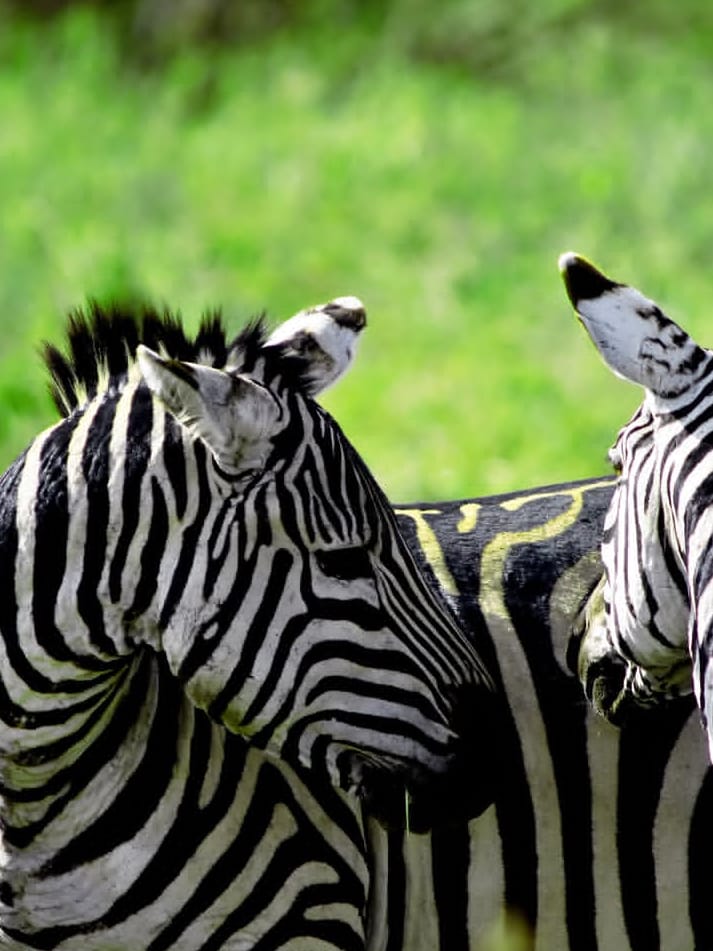
The Serengeti is home to over 3 million animals, making it one of the world's most spectacular wildlife destinations. You can expect to see the Big Five (lions, leopards, elephants, buffalo, and rhinoceros), along with cheetahs, zebras, wildebeest, giraffes, hyenas, and numerous antelope species. The Serengeti's vast grasslands provide exceptional opportunities for spotting predators like lions and leopards in their natural habitat. Bird enthusiasts will also find over 500 bird species throughout the park.
Tanzania's safari season varies by region, but the dry seasons offer the best wildlife viewing opportunities. The long dry season (June to October) is considered peak safari season, when animals gather around water sources, making them easier to spot. The short dry season (January to February) also provides excellent game viewing with fewer crowds. During the wet season (November to May), the landscape is lush and green, which is ideal for birdwatching and photography, though wildlife viewing can be more challenging. Consider your priorities—wildlife density versus scenic beauty and fewer tourists—when planning your visit.
The Ngorongoro Crater is a massive collapsed volcano in Tanzania's Northern Safari Circuit that creates a unique natural amphitheater. This UNESCO World Heritage Site contains an incredibly diverse ecosystem with a huge variety of animals living within its caldera, including lions, elephants, buffalo, zebras, and hyenas. The crater's enclosed environment concentrates wildlife, offering exceptional viewing opportunities in a relatively small area. The combination of forests, grasslands, and water sources within the crater supports an impressive range of fauna and flora, making it a must-see destination on any Northern Tanzania safari.
Essential items for a Tanzania safari include neutral-colored clothing (khaki, tan, olive green) for game drives, a warm fleece or jacket for early morning drives when temperatures drop, sturdy walking shoes, and a wide-brimmed hat for sun protection. Bring high-SPF sunscreen, insect repellent, and any personal medications. A good camera with a zoom lens is invaluable for wildlife photography. Pack binoculars for better animal spotting, and consider bringing a small daypack for excursions. Lightweight, breathable clothing is ideal for daytime temperatures. Don't forget toiletries, as some remote lodges may have limited supplies. Check with your operator about specific recommendations based on the season you're traveling.
While specific vaccination requirements depend on your home country and current health conditions, yellow fever vaccination is often recommended for Tanzania, and some countries may require proof of vaccination for entry. Malaria prophylaxis is typically advised, particularly for lower-altitude areas. Consult your healthcare provider or a travel medicine clinic at least 4-6 weeks before your trip to discuss recommended vaccinations and preventative medications based on your itinerary and medical history. They can provide personalized advice and ensure you're adequately protected. It's also wise to check current health advisories from your government's travel health authority.
A 4-day safari is an excellent duration for experiencing Tanzania's Northern Safari Circuit highlights, including the Serengeti and Ngorongoro Crater. This timeframe allows for multiple game drives across diverse landscapes and ecosystems, maximizing your chances of encountering a wide variety of wildlife. Four days provides sufficient time to explore different habitats—from volcanic craters to vast grasslands—where you can see everything from monkeys in forests to lions in acacia trees and massive herds of elephants. While longer safaris (7-10 days) allow for more in-depth exploration, a well-planned 4-day safari delivers exceptional wildlife viewing and authentic safari experiences.
Most comprehensive Tanzania safari packages include three meals daily—breakfast, lunch, and dinner—prepared by professional chefs at your lodge or tented camp. Breakfast is typically served early before morning game drives, lunch is often enjoyed at a scenic spot during the day or back at camp, and dinner is a more substantial meal in the evening. Meals are generally prepared to high standards and accommodate various dietary preferences if communicated in advance. Bottled water is provided during game drives to keep you hydrated. However, alcoholic beverages are typically not included, so budget accordingly if you wish to enjoy drinks at your accommodation or during meals.
Yes, comprehensive Tanzania safari packages typically include all national park entrance fees as part of the package cost. This means your access to major parks like Serengeti National Park and Ngorongoro Conservation Area is already covered. However, it's important to clarify exactly which parks and fees are included when booking, as some packages may have different inclusions. Government taxes and value-added tax (VAT) are usually incorporated into the quoted price. Always review your package details carefully to understand what's covered and what additional costs you might incur for optional activities or special excursions.
Lodge safaris offer more permanent, comfortable accommodations with private bathrooms, electricity, and amenities similar to a hotel. Tented camps provide a more immersive safari experience with canvas or semi-permanent structures that keep you closer to nature while still offering comfort and essential facilities. Tented camps often deliver a more authentic wilderness feel and can be located in remote areas for better wildlife access, while lodges typically offer more amenities and are better suited for travelers seeking comfort. Many 4-day safari packages use a combination of both lodge and tented camp accommodations to provide variety and balance between comfort and authentic safari experience. Your choice depends on your comfort preferences and the type of experience you're seeking.
While your safari package covers accommodations, meals, and park fees, you should budget separately for tips and gratuities, which are customary in Tanzania. A general guideline is to tip guides and drivers $10-20 USD per person per day, depending on service quality. Camp staff may also appreciate tips of $5-10 USD per day collectively. Budget for alcoholic beverages if desired, personal toiletries, souvenirs, and any optional activities like hot air balloon rides or special excursions. Travel insurance is also essential but not included in most packages. International airfare to Tanzania is separate. Plan for these additional costs when calculating your total safari budget to avoid surprises.
© 2026 SafariFind. All rights reserved.