 1 / 7
1 / 7 4 daysshared
4-Day Tarangire, Serengeti and Ngorongoro Group Safari
Highlights
- big five game drive
Loading SafariFind...
1 / 7Arusha to Tarangire National Park
Tarangire National Park
Meals: Dinner
Tarangire to Serengeti National Park
Serengeti National Park
Meals: Breakfast, Lunch, Dinner
Serengeti game drive
Serengeti National Park
Meals: Breakfast, Lunch, Dinner
Serengeti to Ngorongoro Crater
Ngorongoro Crater
Meals: Breakfast, Lunch
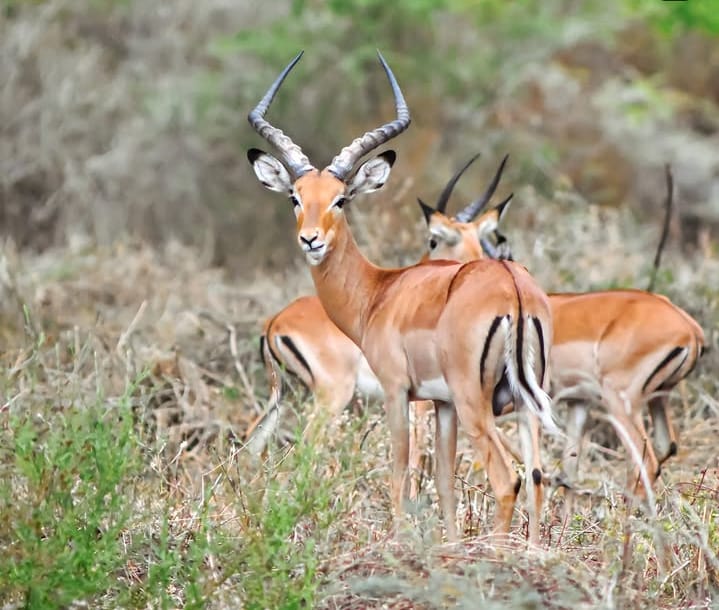
The Serengeti is one of Africa's most biodiverse ecosystems and home to an incredible variety of wildlife. You can expect to see the Big Five—lions, elephants, buffalo, leopards, and rhinoceros—along with zebras, wildebeest, giraffes, hyenas, cheetahs, and numerous antelope species. The park is particularly famous for the Great Wildebeest Migration, where millions of wildebeest and zebras move across the plains in search of fresh grazing. Bird enthusiasts will also find over 500 bird species throughout the park. The abundance and diversity of wildlife make the Serengeti one of the world's premier safari destinations.
Yes, absolutely. Tanzania's national parks, including the Serengeti, Tarangire, and Ngorongoro Crater, are excellent locations for spotting the Big Five—lion, elephant, buffalo, leopard, and rhinoceros. While sightings are never guaranteed in the wild, Tanzania has healthy populations of all five species. The Ngorongoro Crater, in particular, is known for its dense concentration of wildlife in a relatively compact area, which increases your chances of seeing multiple species during your visit. Your best opportunities come with experienced guides who know the parks intimately and can track animal movements and behaviors.
The Ngorongoro Crater, often called the 'Garden of Eden,' is a UNESCO World Heritage Site and one of the most unique safari destinations in the world. This massive volcanic caldera spans 19 kilometers across and contains a self-contained ecosystem with an estimated 25,000 large animals. The crater's enclosed environment means wildlife is concentrated in a relatively small area, offering exceptional game viewing opportunities. You'll find lions, elephants, buffalo, zebras, wildebeest, and numerous other species all within the crater floor. The stunning scenery, combined with the high density of wildlife and the geological significance of the location, makes it a must-visit destination for any Tanzania safari.
Tarangire National Park is best visited during the dry season, typically from June to October and again from January to February. During these months, wildlife congregates around the Tarangire River, the only permanent water source in the region, making game viewing particularly rewarding. The dry season also means easier game spotting as vegetation is sparse and animals are more visible. However, Tarangire can be visited year-round. The wet season (November to May) brings lush green landscapes and excellent bird watching, though wildlife is more dispersed. Tarangire is famous for its large elephant populations and tree-climbing pythons, which can be spotted in acacia trees throughout the park.
For a 4-day Tanzania safari, pack lightweight, neutral-colored clothing in khaki, tan, and olive tones that blend with the landscape and won't disturb wildlife. Bring long sleeves and pants for sun protection and to protect against insects. Include a warm layer or fleece for early morning and evening game drives, as temperatures can be cool. Essential items include a wide-brimmed hat, sunglasses, high-SPF sunscreen, insect repellent, and a good camera with extra batteries and memory cards. Comfortable walking shoes and closed-toe sneakers are important. Don't forget binoculars for wildlife viewing, a small daypack, toiletries, and any personal medications. Leave room in your luggage as you may want to purchase souvenirs. Check with your tour operator about specific recommendations based on the season you're traveling.
Visa requirements for Tanzania depend on your nationality. Many countries' citizens can obtain a visa on arrival at Tanzanian airports, while others can apply for an e-visa online before travel. Some nationalities may be exempt from visa requirements for short visits. It's essential to check the official Tanzanian government immigration website or contact your nearest Tanzanian embassy well in advance of your trip to determine your specific requirements. Most safari operators can provide guidance on visa procedures, but you should verify current regulations as policies can change. Additionally, ensure your passport is valid for at least six months beyond your intended stay in Tanzania.
Tanzania safaris range from 2 to 10+ days depending on your interests and budget. A 4-day safari is a popular choice that allows you to visit multiple parks including Tarangire, Serengeti, and Ngorongoro Crater, giving you a comprehensive experience of Tanzania's wildlife and landscapes. This duration is sufficient to see a variety of animals and experience different ecosystems without being rushed. However, if you want a more relaxed pace or wish to focus deeply on a single park, consider extending your trip to 5-7 days. Shorter 2-3 day safaris are possible but offer limited wildlife viewing opportunities. Many travelers combine their safari with time in other destinations like Zanzibar or the Kilimanjaro region.
The Great Wildebeest Migration is one of the world's most spectacular natural events, involving the movement of approximately 1.5 million wildebeest, zebras, and other herbivores across the Serengeti and Masai Mara ecosystems. This annual migration follows a roughly circular pattern driven by rainfall and grass availability. The migration typically follows this timeline: January to March sees animals in the southern Serengeti; April to May they move north; June to October they are in the northern Serengeti and Masai Mara; and November to December they return south. The river crossings, particularly at the Grumeti and Mara rivers, are dramatic moments when predators like crocodiles and lions prey on the migrating herds. Witnessing this migration is a bucket-list experience for many safari enthusiasts, offering unparalleled opportunities for wildlife photography and observation.
Yes, Tarangire National Park is particularly famous for its tree-climbing pythons, which are a unique attraction for safari visitors. These pythons spend much of their time coiled in the branches of acacia trees, where they hunt birds and small mammals. While spotting them requires some luck and a trained guide's expertise, experienced guides in Tarangire know the best locations and times to search for these fascinating reptiles. The dry season offers better chances of sighting them as the sparse vegetation makes them more visible in the trees. Tarangire's large elephant population and diverse birdlife make it an excellent park to visit beyond just the python sightings, offering a well-rounded safari experience with multiple wildlife viewing opportunities.
A comprehensive Tanzania safari package typically includes national park entrance fees, accommodation, professional English-speaking guides, government taxes and VAT, and bottled water during game drives. These inclusions cover your main safari experiences and lodging. However, you should budget separately for items not usually included: international airfare, travel insurance (highly recommended), visa fees, vaccinations and health precautions, tips and gratuities for guides and staff, alcoholic beverages, personal expenses, and optional activities like hot air balloon rides or special excursions. It's wise to set aside additional funds for these extras—typically $20-30 per day for tips, plus any optional activities you wish to pursue. Check your specific package details to confirm what is and isn't included, and discuss any questions with your tour operator before booking.
© 2026 SafariFind. All rights reserved.