4 daysGroup Joining
4-Day Ultimate Gorilla Trekking
by
Highlights
- Gorilla Trekking
- Batwa Culture Experience
Loading SafariFind...
by
SafariFind app
Keep up with your inquiries and bookings, and message operators wherever you are.

Day 1
Kigali
Meals: Breakfast
Day 2
Bwindi Impenetrable Forest
Meals: Breakfast, Lunch, Dinner
Day 2
Bwindi Impenetrable Forest
Meals: Breakfast, Lunch, Dinner
Day 3
Kigali
Meals: Breakfast, Lunch
Year Round
Year-round
| Season | 2 people |
|---|---|
Year Round Year-round | $2,702 |
The best times to trek mountain gorillas in Bwindi are during the dry seasons: June to September and December to February. During these months, the terrain is more accessible, trails are less muddy, and visibility is generally better for wildlife viewing. However, gorilla trekking is possible year-round, as the park's thick vegetation provides shelter during rainy seasons. Keep in mind that the rainy seasons (March to May and October to November) can make trekking more challenging but offer lush scenery and fewer tourists. It's advisable to book your trek well in advance, as gorilla permits are limited and highly sought after.
Mountain gorilla trekking in Uganda ranges from moderate to strenuous difficulty, depending on where your assigned gorilla family is located within Bwindi Impenetrable National Park. Treks can last anywhere from 1 to 8 hours, involving steep terrain, dense vegetation, and high altitude (ranging from 1,200 to 2,300 meters). You'll be hiking through rainforest with uneven ground, roots, and muddy sections. A reasonable level of fitness is recommended, though people of various ages and abilities successfully complete treks each year. Guides adjust the pace to match group fitness levels, and porters are available to assist with carrying supplies. Proper footwear, hydration, and acclimatization are essential for a successful experience.
While mountain gorillas are the primary attraction in Bwindi Impenetrable National Park, the park is home to remarkable biodiversity. You may encounter chimpanzees, forest elephants, buffaloes, and various antelope species. The park is also a birdwatcher's paradise, hosting over 350 bird species including the endangered African green broadbill and other endemic species. You'll also see smaller mammals like colobus monkeys, duikers, and hyraxes. The lush rainforest ecosystem supports countless insects, amphibians, and reptiles. Each trek offers unique wildlife opportunities, as sightings depend on animal movements and your location within the park on any given day.
Visa requirements depend on your nationality. Many countries' citizens can obtain a visa on arrival in both Rwanda and Uganda, though this is subject to change. Some nationalities may be eligible for visa-free entry or can apply for visas online in advance. It's essential to check the official immigration websites for Rwanda and Uganda well before your trip to confirm current requirements for your specific passport. Additionally, ensure your passport is valid for at least six months beyond your travel dates. Visa fees are not included in typical safari packages, so budget accordingly. Consulting your country's embassy or a travel agent can provide the most current and accurate visa information.
For gorilla trekking, pack sturdy, waterproof hiking boots with good ankle support and grip—this is your most important gear. Bring lightweight, moisture-wicking clothing in neutral colors (avoid bright patterns that may disturb wildlife), including long sleeves and pants for protection from insects and vegetation. Pack a waterproof jacket and rain gear, as the rainforest is wet year-round. Bring a warm fleece or sweater for cool mornings and evenings at higher altitudes. Include a hat, sunscreen, insect repellent, and a small backpack for water and snacks. A camera with a good zoom lens, binoculars, and a headlamp or flashlight are valuable. Don't forget personal medications, a basic first-aid kit, and toiletries. Travel light but ensure comfort, as you'll be hiking for several hours in challenging terrain.
A mountain gorilla permit for Bwindi Impenetrable National Park in Uganda typically costs around $700 USD per person. This permit grants you access to trek with a habituated gorilla family for one day. Prices can vary slightly depending on the season and are set by the Uganda Wildlife Authority. Some safari packages include the gorilla permit in their pricing, while others list it separately. It's one of the most expensive permits in Africa, reflecting the exclusivity and conservation efforts required to protect these endangered animals. Permits are in high demand and should be booked months in advance, especially during peak seasons. Verify current pricing with your tour operator, as rates are subject to change.
Yes, gorilla trekking in Bwindi is generally safe when conducted with experienced guides and proper precautions. The park is well-managed with trained guides who understand gorilla behavior and can ensure safe distances and interactions. Guides are equipped to handle emergencies, and evacuation services are available. To minimize risks, follow all guide instructions carefully, maintain a safe distance from gorillas (typically 7 meters), and avoid sudden movements or loud noises. Health-wise, ensure you're vaccinated for routine illnesses and consider malaria prophylaxis, as the region is malaria-endemic. Travel insurance is highly recommended. While the rainforest terrain presents physical challenges, the primary risks are related to the strenuous hiking rather than gorilla encounters. Thousands of visitors safely trek gorillas annually, making it one of Africa's most rewarding wildlife experiences.
A comprehensive gorilla trekking package typically includes gorilla park entrance fees, professional safari guide services, airport transfers, accommodation in lodges or camps, meals as specified in the itinerary, and drinking water during game drives and activities. Many packages also include flying doctors evacuation insurance for remote area coverage. However, packages generally exclude international flights, visa fees, travel insurance, tips and gratuities for guides and staff, personal expenses, and alcoholic beverages. It's crucial to review your specific package details to understand exactly what's covered. Some operators may offer optional add-ons like cultural visits, additional game drives, or premium accommodation upgrades. Always clarify inclusions and exclusions with your tour operator before booking to avoid surprises and budget accordingly for expenses not covered.
Absolutely. Gorilla trekking in Uganda can be combined with other East African safari experiences to create a comprehensive trip. Many travelers pair Bwindi gorilla trekking with visits to other Uganda attractions like Queen Elizabeth National Park for game drives and boat safaris, or the Kaziranga National Park. You can also extend your journey to Rwanda to visit Volcanoes National Park for additional gorilla experiences or cultural sites in Kigali. Some multi-country itineraries combine Uganda with Kenya or Tanzania safaris, visiting destinations like the Masai Mara or Serengeti. These combination safaris typically range from 7 to 14+ days and offer diverse wildlife viewing, cultural immersion, and varied landscapes. Multi-country trips require careful planning regarding visas, internal flights, and logistics, so working with an experienced tour operator is highly recommended.
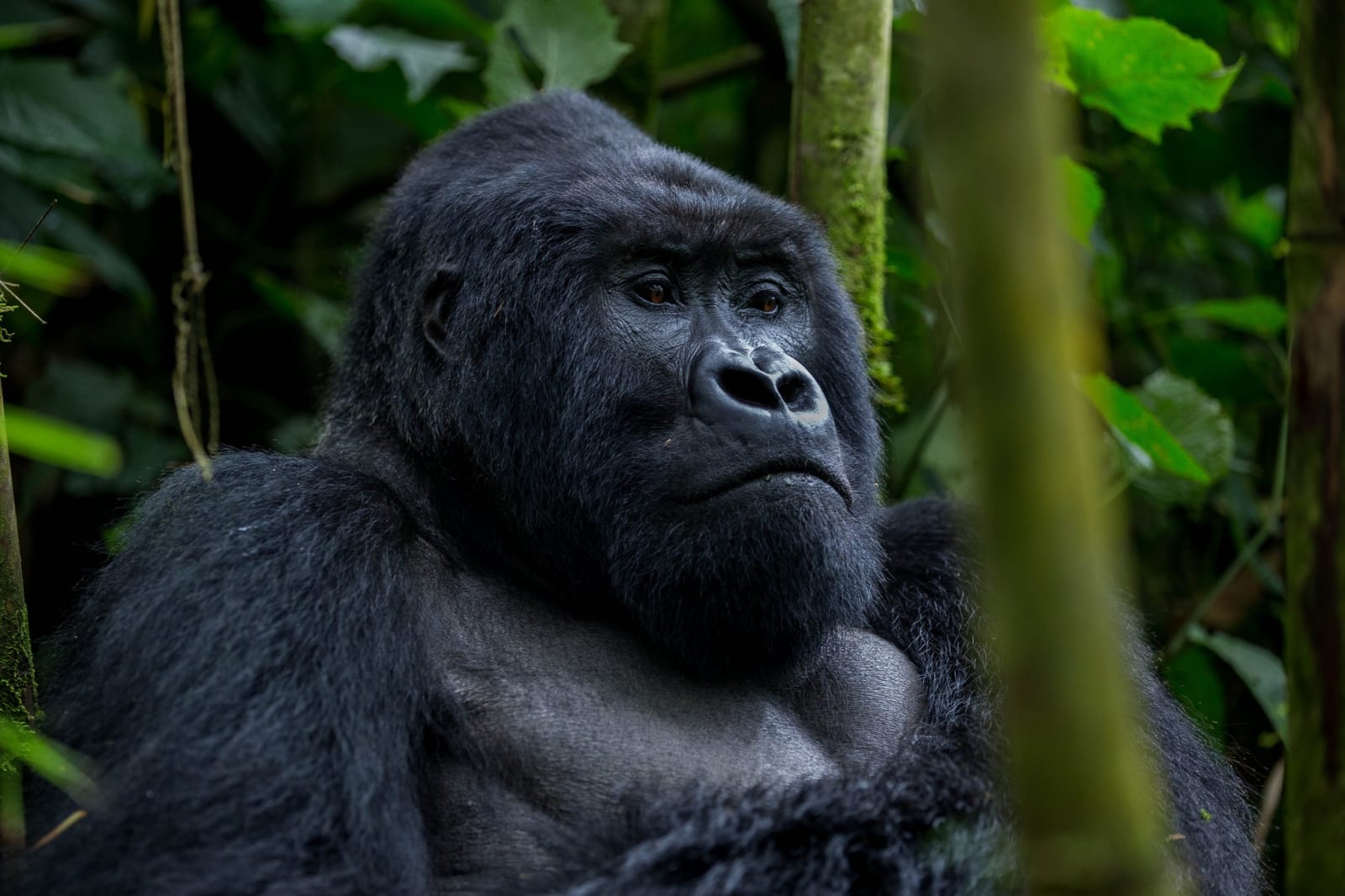
During a gorilla trek, you'll encounter one habituated gorilla family, which typically consists of 5 to 30 individuals, though group sizes vary. You're guaranteed to see at least the silverback (dominant male) and several other family members, as the families are well-habituated to human visitors. However, the exact number and composition of gorillas you see depends on the family's location and movement on that particular day. Each family has its own territory and behavior patterns, so your experience will be unique. You'll spend approximately one hour observing the gorillas once located, allowing time for photography and observation. The trek itself can take several hours to find the family, as guides use tracking methods to locate them. No two treks are identical, which adds to the magic and unpredictability of this extraordinary wildlife encounter.
 GoExplore SafarisKampala, Uganda4.8(85 reviews)
© 2026 SafariFind. All rights reserved.
