4 daysPrivate
4-Day Ultimate Gorilla Trekking Uganda
by
Highlights
- Encounter The Wild Gorillas in Bwindi
- Discover Uganda's Home to The Gorillas
Loading SafariFind...
by
SafariFind app
Keep up with your inquiries and bookings, and message operators wherever you are.

Day 1
Entebbe International Airport
Meals: Lunch, Dinner
Day 2
Bwindi Impenetrable Forest
Meals: Breakfast, Lunch, Dinner
Day 3
Bwindi Impenetrable Forest
Meals: Breakfast, Lunch, Dinner
Day 4
Entebbe International Airport
Meals: Breakfast, Lunch
Year Round
Jul 2026 – Dec 2028
| Season | Solo traveller | 2 people | 3 – 4 people | 5 – 6 people | 7+ people |
|---|---|---|---|---|---|
Year Round Jul 2026 – Dec 2028 | $3,200 | $2,992 | $2,783 | $2,632 | $2,349 |
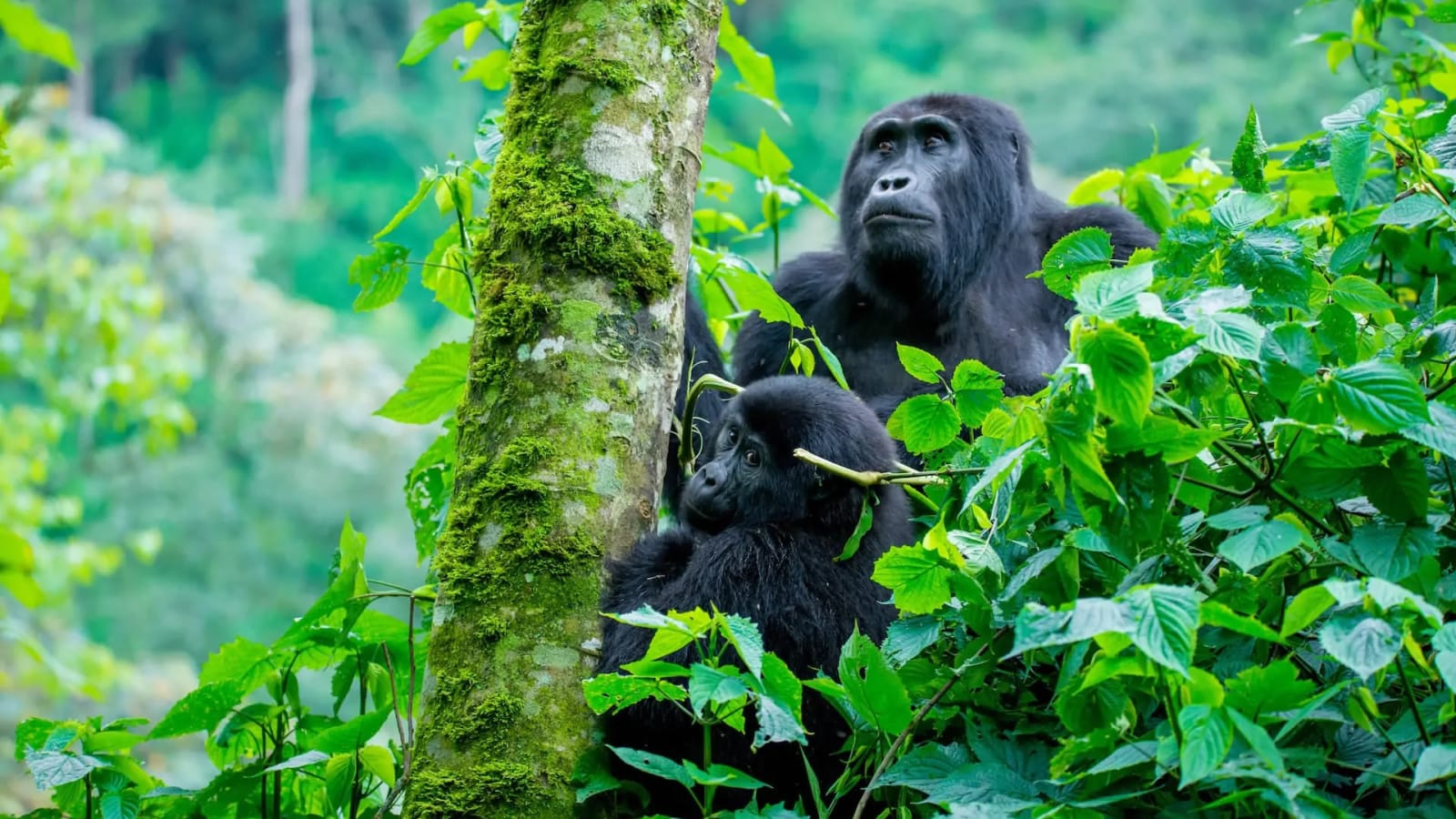
Gorilla trekking is an immersive wildlife experience where visitors hike through dense rainforest terrain to observe mountain gorillas in their natural habitat. During a typical trek, you'll walk through lush vegetation with a professional guide, often for 2-7 hours depending on gorilla location and terrain difficulty. Once you locate a gorilla family, you're permitted to spend one hour observing their behavior, social interactions, and daily activities from a safe distance. It's an emotional and transformative experience that offers insights into these intelligent, endangered primates. The trek requires moderate to good physical fitness, sturdy hiking boots, and weather-appropriate clothing. Most visitors find it to be one of the most profound wildlife encounters possible.
Bwindi Impenetrable National Park is home to approximately half of the world's remaining mountain gorilla population, with around 400+ individual gorillas living in the park. These gorillas are organized into multiple family groups, each with their own territory and social structure. The park's conservation efforts have been crucial in protecting this endangered species from extinction. Gorilla families are habituated to human visitors over several years, allowing for safe and responsible trekking experiences. The exact number of gorillas fluctuates due to births, deaths, and natural population dynamics, making Bwindi one of the most important gorilla conservation sites in the world.
Gorilla trekking in Uganda is possible year-round, but the best times are during the dry seasons: June to August and December to February. During these periods, trails are more accessible, visibility is clearer, and weather conditions are more favorable for trekking. However, gorilla trekking can be done during the wet seasons (March to May and September to November) as well—gorillas don't migrate, so they're present throughout the year. The wet seasons offer lush vegetation, fewer tourists, and potentially better gorilla sightings due to lower visitor numbers. Consider that trails will be muddier and more challenging during rainy months. Book gorilla permits well in advance regardless of season, as they sell out quickly year-round.
Mountain gorilla trekking requires moderate physical fitness and good endurance, though it's not exclusively for athletes. The trek involves hiking through challenging rainforest terrain at high altitude (between 2,200-2,600 meters), which means steep inclines, muddy paths, slippery vegetation, and potentially long walking hours. Most people in reasonable health can complete the trek, but preparation helps significantly. We recommend building cardiovascular fitness before your trip, practicing hiking with elevation gain, and doing leg strengthening exercises. Wear proper hiking boots with good grip, use trekking poles for support, and inform your guide of any physical limitations. Guides adjust pace to group ability, and porters are available to assist with carrying gear. The physical challenge is part of the adventure, and the reward of seeing gorillas makes every step worthwhile.
Gorilla permits in Uganda typically cost $700 USD per person, though prices may vary by operator and season. This permit grants you access to Bwindi Impenetrable National Park and the right to trek with a habituated gorilla family for one hour. The permit includes park entrance fees and is essential for any gorilla trekking experience. Additional costs to consider are accommodation, meals, transportation, and guide services, which vary depending on your chosen package. Some operators offer all-inclusive packages where the permit cost is bundled with lodging and meals. It's important to book permits well in advance, especially during peak seasons, as they're limited daily to protect gorilla welfare. Permits are non-refundable if you cancel, so travel insurance is highly recommended.
Beyond mountain gorillas, Bwindi Impenetrable National Park is incredibly biodiverse and home to numerous other species. You may encounter forest elephants, buffalo, antelope species like duikers and bushbucks, and various primate species including chimpanzees, L'Hoest's monkeys, and colobus monkeys. The park is a birdwatcher's paradise with over 350 bird species, including the rare African green broadbill and various eagles and sunbirds. You'll also see smaller mammals, reptiles, and amphibians throughout the forest. The 'impenetrable' rainforest itself is the main attraction, with ancient trees, lush vegetation, and unique ecosystems found nowhere else on Earth. While gorilla trekking is the primary focus, the overall experience showcases one of Africa's most biodiverse and pristine natural environments. Guided nature walks and bird watching excursions can complement your gorilla trekking experience.
Packing appropriately is crucial for comfort and safety during gorilla trekking. Essential items include sturdy, waterproof hiking boots with good ankle support and grip, as trails are steep and muddy. Wear moisture-wicking layers since weather changes rapidly in the rainforest—bring a waterproof jacket, long-sleeved shirts, and long pants to protect against insects and vegetation. Pack a warm fleece or sweater for early morning starts and high-altitude temperatures. Bring a wide-brimmed hat, sunscreen, and insect repellent containing DEET. Include a small daypack with water bottle, snacks, and a camera with a good zoom lens (gorillas must be photographed from a distance). Wear neutral-colored clothing to avoid startling wildlife. Gaiters protect your lower legs from mud and insects. Consider bringing trekking poles for support on steep terrain. Don't forget personal medications, toiletries, and any required documents. Leave heavy luggage at your hotel and carry only essentials during the trek.
Gorilla trekking is generally safe when done with experienced guides and following park regulations. The main risks are physical—steep terrain and altitude—rather than gorilla-related incidents. Mountain gorillas are habituated to human visitors and typically avoid conflict. However, it's important to maintain a safe distance (at least 7 meters), follow your guide's instructions, and avoid sudden movements or loud noises. Health considerations include altitude acclimatization, as Bwindi sits at significant elevation; arrive a day early to acclimate. Consult your doctor about vaccinations for yellow fever, typhoid, and other diseases common in Uganda. Malaria prophylaxis is recommended for lower-altitude areas. The park includes flying doctors evacuation cover for emergencies. Ensure you have comprehensive travel insurance covering medical evacuation. Stay hydrated, use insect repellent, and maintain good hygiene. Those with heart conditions, severe asthma, or mobility issues should consult healthcare providers before trekking. Most healthy adults complete the experience without complications.
A typical gorilla trek lasts between 2 to 8 hours depending on gorilla location, terrain difficulty, and group pace, though most treks average 4-6 hours of hiking. Your day usually starts before dawn with an early breakfast, followed by a briefing from your guide about safety and gorilla etiquette. You'll hike into the forest in small groups with your professional guide and porters, searching for your assigned gorilla family using tracking information from previous days. Once gorillas are located, you spend exactly one hour observing them—this is the most memorable part of your day. After the hour concludes, you descend back to your starting point, often arriving by early afternoon. The remaining time allows for rest, meals, and optional activities like visiting local communities or bird watching. A 4-day package typically includes one full day of gorilla trekking plus scenic drives, cultural experiences, and relaxation time at your accommodation. Physical demands are significant, so expect to be tired but exhilarated by day's end.
The communities surrounding Bwindi offer rich cultural experiences that complement your gorilla trekking adventure. The Batwa (pygmy) people are the indigenous inhabitants of the forest and offer guided cultural walks where you learn about their traditional hunting methods, forest knowledge, and way of life. You can visit local villages to interact with Ugandan communities, learn about traditional crafts, agriculture, and daily life. Many tours include visits to local schools or community projects, providing insight into conservation efforts and local development. You might participate in traditional cooking demonstrations, learn about local crops and coffee production, or enjoy traditional music and dance performances. These experiences support local economies and provide meaningful cultural exchange. Your professional safari guide can facilitate these interactions respectfully and authentically. Combining gorilla trekking with cultural immersion creates a holistic understanding of the region beyond just wildlife viewing, making your safari more memorable and impactful.
 GoExplore SafarisKampala, Uganda4.8(85 reviews)
© 2026 SafariFind. All rights reserved.