 1 / 6
1 / 6 5 daysshared
5-Day Affordable Wildlife Safari and Waterfalls
by
Highlights
- wildlife viewing
Loading SafariFind...
1 / 6by
Tarangire National Park
Tarangire National Park
Meals: Dinner
Serengeti National Park
Serengeti National Park
Meals: Breakfast, Lunch, Dinner
Serengeti National Park
Serengeti National Park
Meals: Breakfast, Lunch, Dinner
ngorongoro Crater
Ngorongoro Crater
Meals: Breakfast, Lunch, Dinner
Materuni Waterfall
Materuni Waterfalls
Meals: Breakfast
Year Round
Year-round
| Season | Solo traveller | 2 people | 3 – 4 people | 5 – 6 people | 7+ people | Child rate | Single suppl. |
|---|---|---|---|---|---|---|---|
Year Round Year-round | $2,411 | $1,607 | $1,446 | $1,366 | $1,286 | $1,125 | $482 |
Child rate applies to travelers under 12 years. Single supplement applies to solo travelers taking their own room.
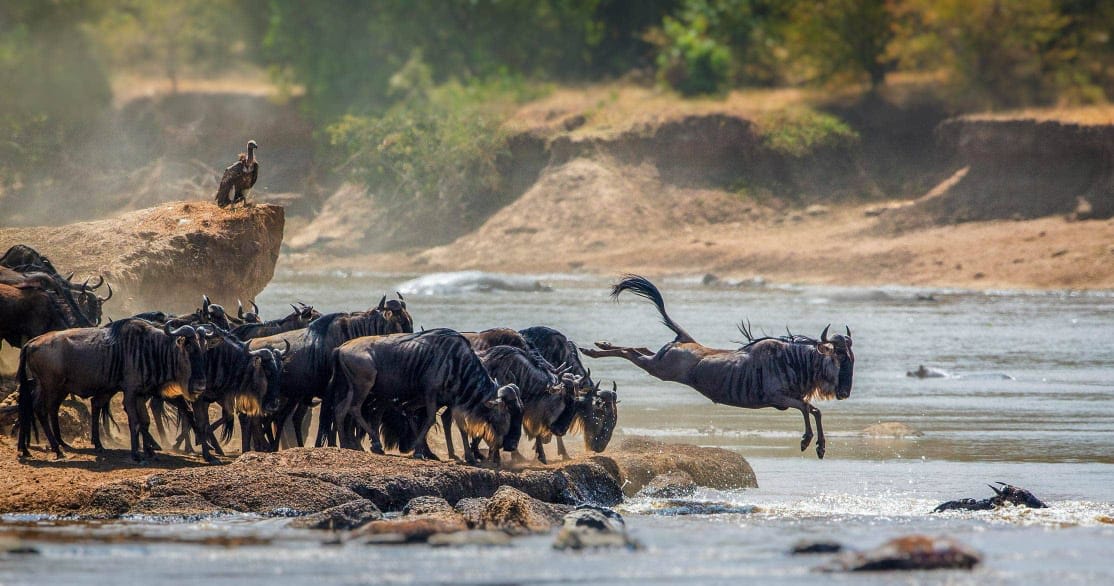
Northern Tanzania is home to an incredible diversity of wildlife. In Tarangire National Park, you'll encounter large herds of elephants, buffalo, giraffes, zebras, wildebeest, and various antelope species. The Serengeti National Park is famous for its massive concentrations of lions, leopards, cheetahs, and the annual migration of over two million wildebeest and zebras. Ngorongoro Crater, a UNESCO World Heritage Site, is a self-contained ecosystem where you can spot rhinos, hyenas, flamingos, and numerous bird species. The variety and abundance of wildlife across these destinations make Northern Tanzania one of Africa's premier safari destinations.
The best time for a Northern Tanzania safari depends on what you want to experience. The dry season from June to October offers excellent wildlife viewing as animals gather around water sources, making them easier to spot. During this period, the Great Migration moves through the Serengeti, providing spectacular viewing opportunities. The wet season from November to May brings lush green landscapes, excellent birdwatching, and fewer tourists, though some roads may be more challenging. December to February is particularly good for witnessing calving season in the Serengeti. Consider your priorities—dramatic migration moments favor June-October, while scenic landscapes and bird diversity favor the wet season.
A 5-day safari is an excellent duration for experiencing Northern Tanzania's major highlights. This timeframe allows you to visit multiple ecosystems—typically Tarangire National Park, Serengeti National Park, and Ngorongoro Crater—with adequate time for game drives and wildlife viewing at each location. Five days provides a good balance between experiencing diverse landscapes and wildlife without excessive travel time. While some visitors extend their trips to 7-10 days for deeper exploration, a 5-day safari is sufficient to see significant wildlife, experience different habitats, and create lasting memories of Tanzania's natural wonders.
Pack neutral, earth-toned clothing in layers since temperatures vary between early mornings, midday heat, and evenings. Bring lightweight, breathable long sleeves and pants to protect from sun and insects. Essential items include a wide-brimmed hat, sunglasses, high-SPF sunscreen, and insect repellent. Comfortable walking shoes and closed-toe hiking boots are important for game drives and any walking activities. Don't forget binoculars for wildlife viewing, a camera with extra batteries and memory cards, and any personal medications. A light jacket or fleece is useful for cool mornings and evenings, particularly during the cooler dry season. Toiletries, personal hygiene items, and any required medications should also be included. Check with your tour operator about specific recommendations based on the season you're traveling.
Yes, Tanzania safaris are generally safe for travelers when you follow standard travel precautions and book with reputable operators. Northern Tanzania's safari destinations are well-established tourism areas with experienced guides, reliable accommodations, and established safety protocols. Professional guides are trained in wildlife safety and navigation. Standard safety practices include staying in your vehicle during game drives, following guide instructions, and avoiding walking alone in remote areas. As with any international travel, it's wise to check current travel advisories from your government, purchase travel insurance, and maintain awareness of your surroundings. Booking through established tour operators ensures you have professional support and reliable transportation throughout your safari experience.
While specific vaccination requirements depend on your home country and medical history, certain vaccinations are commonly recommended for Tanzania travel. Yellow fever vaccination is often recommended, and some countries may require proof of vaccination for entry. Malaria prophylaxis is typically advised for Northern Tanzania, particularly during and after the rainy season. Routine vaccinations (such as those for measles, polio, and hepatitis) should be up to date. Consult with a travel medicine clinic or your healthcare provider at least 4-6 weeks before your trip to receive personalized recommendations based on your health status and the specific regions you'll visit. They can also advise on malaria prevention strategies and any other health precautions relevant to Tanzania.
A comprehensive safari package typically includes professional English-speaking guides who provide expert knowledge about wildlife, ecosystems, and local culture. Accommodation at selected lodges or camps is arranged for your stay. All meals—breakfast, lunch, and dinner—are provided daily, ensuring you're well-nourished throughout your journey. Park entrance fees for all destinations are covered, eliminating surprise costs. Bottled water is provided during game drives to keep you hydrated. Ground transportation in safari vehicles is included for all game drives and transfers. Government taxes and VAT are also covered. However, items typically not included are international airfare, visa fees, travel insurance, vaccinations, alcoholic beverages, tips and gratuities, and optional activities. It's important to clarify what's included when booking to budget for these additional expenses.
Ngorongoro Crater is the world's largest intact volcanic crater and a UNESCO World Heritage Site located in Northern Tanzania. Formed millions of years ago when a massive volcano collapsed, it created a natural amphitheater approximately 610 meters (2,000 feet) deep with a floor covering 26,400 hectares. The crater functions as a self-contained ecosystem with its own water sources, grasslands, and forests, supporting a permanent population of around 25,000 large animals. This unique geography concentrates wildlife in a relatively compact area, making it exceptional for viewing. You'll encounter lions, leopards, buffalo, zebras, wildebeest, and the rare black rhino. The crater's stunning landscape, combined with the density and diversity of wildlife, makes it one of Africa's most remarkable natural wonders and a highlight of any Northern Tanzania safari.
The primary gateway to Northern Tanzania's safari destinations is Kilimanjaro International Airport (KIA), located near Arusha, approximately 50 kilometers from the city center. Most international travelers fly into this airport, which receives flights from major African hubs and some international destinations. From Arusha, safari operators arrange ground transportation via safari vehicles to your accommodation and throughout your safari itinerary. The drive from Arusha to Tarangire National Park takes about 2-3 hours, while the Serengeti requires longer travel times. Some travelers also fly into Dar es Salaam and drive or take domestic flights to Arusha. International airfare to Tanzania is typically not included in safari packages, so you'll need to arrange this separately. Your tour operator can provide guidance on the best flight options and connections for your specific itinerary.
Materuni Waterfalls, located near Kilimanjaro, offers a refreshing contrast to traditional safari experiences by combining natural beauty with cultural immersion. The cascading waterfalls plunge into a series of pools surrounded by lush vegetation and scenic mountain views. Visiting Materuni provides an opportunity to interact with local Chagga communities, learn about their traditional coffee cultivation and daily life, and experience authentic Tanzanian culture beyond wildlife viewing. The cool, pristine waters of the falls provide a welcome respite in Tanzania's warm climate. The trek to the falls is relatively moderate and suitable for most fitness levels, making it accessible to a wide range of travelers. Including Materuni Waterfalls in your safari itinerary adds cultural richness and natural diversity, creating a well-rounded Tanzania experience that blends wildlife, scenery, and human connection.
© 2026 SafariFind. All rights reserved.

