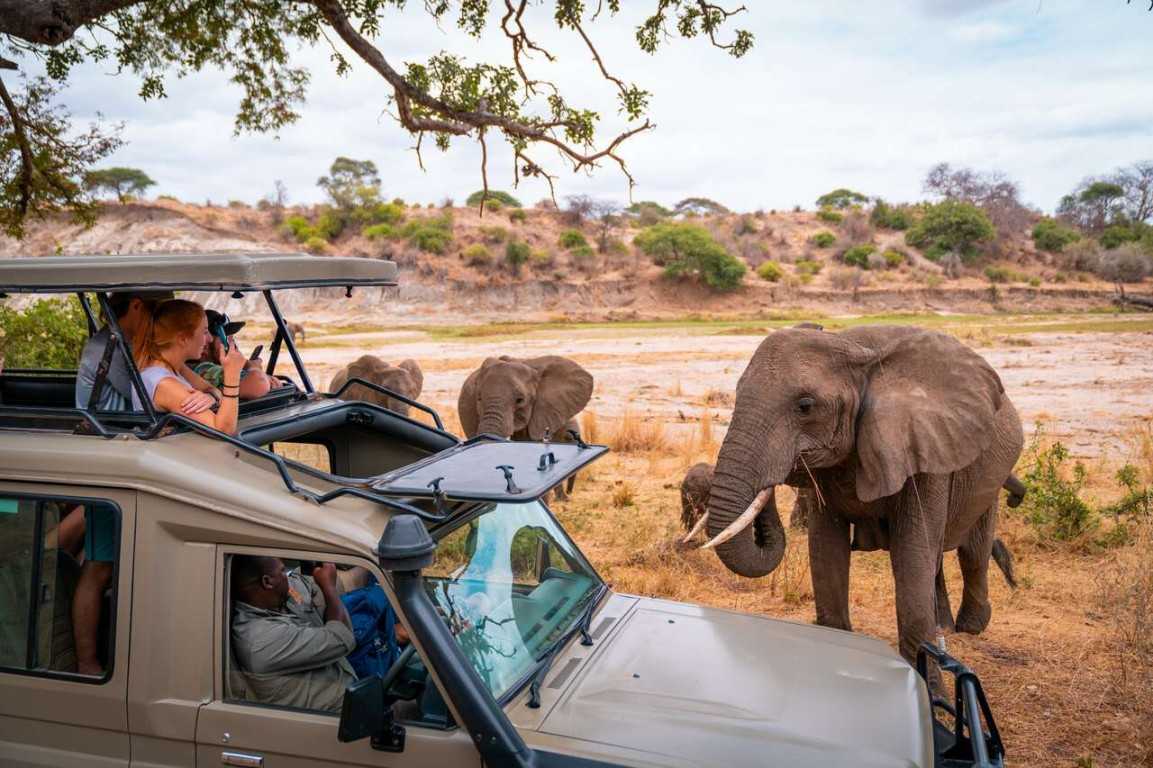
 1 / 9
1 / 9 5 daysGroup Joining
5-Day Fly-in Big Five Budget Group Safari
by
Highlights
- Experience an authentic group safari adventure
Loading SafariFind...
1 / 9by
SafariFind app
Keep up with your inquiries and bookings, and message operators wherever you are.

Air Transfer From Zanzibar to Arusha Airport
Arusha City
Meals: Dinner
Arusha to Tarangire National Park
Tarangire National Park
Meals: Breakfast, Lunch, Dinner
Journey To Central Serengeti National Park
Serengeti National Park
Meals: Breakfast, Lunch, Dinner
Serengeti National Park to Ngorongoro Crater
Ngorongoro Crater
Meals: Breakfast, Lunch, Dinner
Ngorongoro Crater Guided Game Drive & Transfer Back to Zanzibar
Abeid Amani Karume International Airport
Meals: Breakfast, Lunch
Year Round
Year-round
| Season | Solo traveller | 2 people | 3 – 4 people | 5 – 6 people | 7+ people | Child rate | Single suppl. |
|---|---|---|---|---|---|---|---|
Year Round Year-round | $1,988 | $1,325 | $1,193 | $1,126 | $1,060 | $927 | $398 |
Child rate applies to travelers under 12 years. Single supplement applies to solo travelers taking their own room.
Northern Tanzania is one of Africa's premier destinations for viewing the Big Five—lions, elephants, buffalo, leopards, and rhinoceros. The region's diverse ecosystems, including savannas and woodlands, support abundant wildlife populations. During a 5-day safari, you'll have excellent opportunities to encounter these iconic species in their natural habitat, along with numerous other animals such as giraffes, zebras, wildebeest, hyenas, and various antelope species. Your professional English-speaking guide will help you spot wildlife and provide insights into animal behavior and conservation.
The best time for a Tanzania safari depends on what you want to experience. The dry seasons—June to October and January to February—offer the best wildlife viewing because animals congregate around water sources, making them easier to spot. During these months, vegetation is also less dense, improving visibility. The wet season (November to May) brings lush landscapes and fewer tourists, though wildlife can be more dispersed. Northern Tanzania's climate remains relatively favorable year-round, but the dry seasons provide the most reliable game viewing opportunities for a Big Five safari.
On a typical 5-day safari in Tanzania, you'll spend several hours each day on game drives, usually starting early in the morning when wildlife is most active and temperatures are cooler. Most operators conduct morning drives lasting 4-5 hours and afternoon drives lasting 3-4 hours, with breaks for meals and rest. Your itinerary will be structured to maximize wildlife viewing opportunities while ensuring you have time to rest and enjoy meals. Your professional guide will adjust timings based on wildlife sightings and weather conditions.
Pack neutral-colored, lightweight clothing in earth tones (khaki, tan, olive) that blend with the landscape—avoid bright colors that may startle wildlife. Bring long-sleeved shirts and pants for sun and insect protection, a warm layer for early morning game drives, and a waterproof jacket if traveling during the wet season. Essential items include a wide-brimmed hat, high-SPF sunscreen, sunglasses, binoculars, a camera with extra batteries, and any personal medications. Comfortable, closed-toe hiking boots are crucial for walking safely in the bush. Pack toiletries, but many safari camps provide basic amenities. Bring a small daypack for carrying water and valuables during game drives.
Yes, safaris in Tanzania are generally safe for solo travelers, especially when booked through reputable operators. You'll be traveling in a private 4x4 safari vehicle with a professional, experienced English-speaking guide who prioritizes your safety. Group safaris also provide companionship with other travelers. Northern Tanzania's safari regions are well-established tourist destinations with good infrastructure and security protocols. That said, it's wise to follow your guide's instructions regarding wildlife encounters, avoid walking alone outside designated areas, and maintain standard travel precautions like keeping valuables secure. Travel insurance is recommended for peace of mind.
A comprehensive safari package includes three meals daily—breakfast, lunch, and dinner. Breakfast is typically served early before morning game drives and includes options like eggs, toast, fresh fruit, and hot beverages. Lunch is usually a packed meal you'll enjoy in the field or at your accommodation, featuring sandwiches, salads, and fruits. Dinner at your campsite or lodge is more substantial, offering local and international cuisine. Bottled water is provided during game drives to keep you hydrated. If you have dietary restrictions or preferences, it's best to communicate these when booking so the operator can make arrangements.
Visa requirements for Tanzania depend on your nationality. Most visitors require a visa, which can be obtained on arrival at the airport, through your country's Tanzanian embassy, or online via the e-visa system. The process is generally straightforward and costs around $50 USD. It's essential to check the specific requirements for your country well before your trip and ensure your passport is valid for at least 6 months beyond your travel dates. Additionally, Tanzania requires proof of yellow fever vaccination if you're arriving from certain countries. Consult your country's official travel advisory or the Tanzanian immigration website for current requirements, and consider obtaining travel insurance that covers trip cancellations.
A fly-in safari from Zanzibar involves a round-trip flight from Zanzibar to northern Tanzania, where the main safari experience takes place. This package includes your flights, airport transfers at both ends, and ground transportation via private 4x4 safari vehicle. You'll fly out in the morning, arrive at your safari destination, and begin your adventure. After 5 days of game drives and wildlife viewing, you'll return to Zanzibar. This arrangement is ideal for combining a beach holiday in Zanzibar with an authentic safari experience without the long overland journey. The fly-in option saves time and provides a seamless transition between destinations.
A budget safari package typically includes all the essentials for an authentic experience: park entrance fees, accommodation, all meals, a private 4x4 vehicle, a professional guide, bottled water during game drives, airport transfers, and round-trip flights from your origin. Government taxes and VAT are also covered. However, budget packages usually exclude international airfare (if flying from outside the region), travel insurance, visa fees, alcoholic beverages, tips and gratuities for guides and staff, personal expenses, and optional activities beyond the core safari itinerary. Travel vaccinations are your responsibility. To avoid surprises, clarify with your operator exactly what's covered and what costs extra.
A group safari combines multiple travelers into one vehicle with a shared guide and itinerary, making it more budget-friendly and offering opportunities to meet fellow travelers. A private safari is exclusively for your group or family, offering greater flexibility, personalized service, and the ability to customize your itinerary. Group safaris typically follow set routes and schedules, while private safaris allow you to spend more time at wildlife sightings or explore areas of particular interest. Group safaris are ideal for budget-conscious travelers and those seeking social interaction, while private safaris suit those wanting exclusivity and customization. Both provide excellent wildlife viewing opportunities with experienced guides.
 Natalia Safari ToursArusha, Tanzania4.8(13 reviews)
© 2026 SafariFind. All rights reserved.
