What wildlife can you see on a safari in Tarangire National Park?+
Tarangire National Park is renowned as one of Tanzania's premier wildlife destinations, particularly famous for its large elephant populations. You can expect to see herds of elephants, zebras, wildebeest, buffalo, giraffes, and various antelope species. The park is also home to predators including lions, leopards, and wild dogs. Tarangire's diverse ecosystem supports over 300 bird species, making it excellent for birdwatching. The Tarangire River is a crucial water source, especially during the dry season, which concentrates wildlife around the riverbanks and increases your chances of memorable sightings during game drives.
Is the Ngorongoro Crater worth visiting on a Tanzania safari?+
Absolutely. The Ngorongoro Crater is one of Africa's most spectacular natural wonders and a UNESCO World Heritage Site. This massive volcanic caldera is often called the 'Eighth Wonder of the World' and offers unparalleled wildlife viewing opportunities in a compact area. The crater floor is home to lions, elephants, buffalo, zebras, wildebeest, and numerous other species, creating an almost guaranteed Big Five experience. The dramatic scenery of the crater walls combined with abundant wildlife makes it an unforgettable destination. A full day spent descending into and exploring the crater floor provides some of the most rewarding safari experiences in Tanzania.
What makes Lake Manyara National Park unique for safari enthusiasts?+
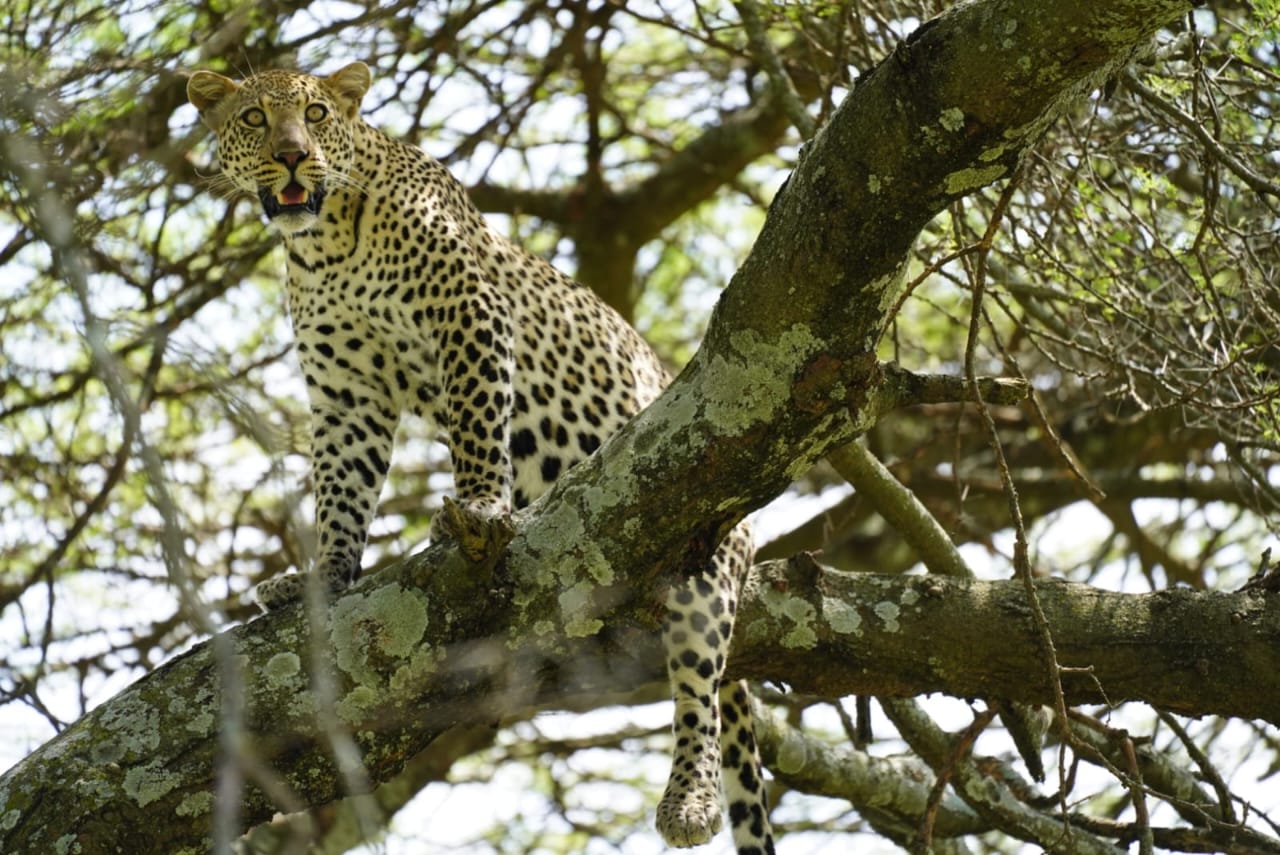
Lake Manyara National Park is famous for its distinctive wildlife and stunning landscape features. The park is most renowned for its tree-climbing lions—a behavior rarely seen elsewhere in Africa—which rest in acacia trees during the heat of the day. Beyond this unique phenomenon, Lake Manyara supports an impressive variety of wildlife including elephants, giraffes, zebras, hippos, and buffalo. The park is also a birder's paradise, hosting over 400 bird species including flamingos, eagles, and kingfishers. The scenic backdrop of the Great Rift Valley escarpment combined with the lake itself creates a picturesque setting that distinguishes this park from other safari destinations.
When is the best time to visit Tanzania's Northern Circuit for a safari?+
Tanzania's Northern Circuit can be visited year-round, but the best times depend on your priorities. The dry seasons—June to October and January to February—offer the most reliable wildlife viewing as animals congregate around water sources, making them easier to spot. These periods also provide the most comfortable weather conditions with clear skies ideal for photography. June to October is considered peak season with lush landscapes after the rainy season. December to March is the green season with fewer tourists and lower prices, though afternoon rains are possible. Each season offers distinct advantages, so consider your wildlife priorities and budget when planning your visit.
What should you pack for a 5-day luxury safari in Tanzania?+
Pack neutral-colored, lightweight clothing suitable for warm days and cool mornings and evenings. Essential items include long-sleeved shirts and pants for sun and insect protection, a warm fleece or jacket for early morning game drives, comfortable walking shoes, and sturdy boots. Bring a wide-brimmed hat, high-SPF sunscreen, and sunglasses. Don't forget binoculars for wildlife viewing and a camera with extra batteries and memory cards. Personal medications, toiletries, and any required travel documents are important. While luxury lodges provide most amenities, consider bringing a small daypack for game drives. Check with your accommodation beforehand regarding what's provided, as many luxury camps offer robes and premium toiletries. A waterproof bag protects electronics during water crossings and unexpected rain.
How many game drives can you expect on a 5-day Tanzania safari?+
On a 5-day safari itinerary covering multiple parks, you typically experience multiple game drives per day—usually one early morning drive starting before dawn and one afternoon drive. With five days in the field, you can expect between 8 to 10 game drives depending on the specific itinerary and park schedules. Morning drives are often the most productive as wildlife is most active during cooler hours. Afternoon drives offer different lighting for photography and sometimes different animal behavior. The combination of multiple parks means you'll encounter diverse ecosystems and wildlife. Professional guides optimize timing and routes based on recent animal sightings and seasonal patterns to maximize your viewing opportunities.
Do you need a visa to visit Tanzania for a safari?+
Visa requirements for Tanzania depend on your nationality. Most visitors require a visa, which can be obtained on arrival at Tanzanian airports, through the e-visa system online, or at a Tanzanian embassy or consulate before travel. The process is generally straightforward, though processing times and fees vary by country. It's essential to check the current visa requirements with the Tanzanian immigration authority or your nearest Tanzanian embassy well before your trip, as regulations can change. Ensure your passport is valid for at least six months beyond your intended stay. Having the correct documentation prepared in advance prevents delays and allows you to focus on anticipating your safari adventure.
What health precautions should you take before a Tanzania safari?+
Before traveling to Tanzania, consult with a travel health clinic or your doctor at least 4-6 weeks before departure. Malaria prevention is important for most regions, and your doctor may recommend antimalarial medication. Yellow fever vaccination is often recommended and may be required depending on your origin country. Ensure routine vaccinations (MMR, tetanus, etc.) are current. Typhoid and hepatitis A vaccinations are commonly advised. During your safari, use insect repellent, wear long sleeves and pants during dawn and dusk when mosquitoes are active, and sleep under mosquito nets in accommodations. Drink bottled water (typically provided during game drives) and practice good food hygiene. Travel insurance that covers medical evacuation is highly recommended. Always follow your healthcare provider's specific recommendations based on your health history and the regions you'll visit.
What is included in the cost of a luxury Tanzania safari package?+
A comprehensive luxury safari package typically includes all national park entrance fees, accommodations in carefully selected lodges and camps, all meals (breakfast, lunch, and dinner), private 4x4 safari vehicles with professional English-speaking guides, bottled water during game drives, and airport transfers. Government taxes and VAT are usually included in quoted prices. However, international airfare, travel insurance, visa fees, and travel vaccinations are typically not included and should be budgeted separately. Alcoholic beverages, tips and gratuities for guides and staff, personal expenses, and optional activities are also usually excluded. It's important to clarify exactly what's included when booking to avoid unexpected costs and to budget appropriately for extras like drinks, tips, and any activities you'd like to add to your experience.
How many people typically go on a Tanzania safari game drive?+
Safari experiences vary in group size depending on the operator and vehicle type. Private safaris feature small groups—often just 2-4 people—in dedicated 4x4 vehicles, offering a more personalized experience and flexibility in game drive timing and routes. Shared safaris may have larger groups of 6-8 people per vehicle, which can be more economical. Luxury safari packages often emphasize private or small-group experiences to maximize comfort and wildlife viewing quality. Smaller groups allow for better photography opportunities, more personalized attention from your guide, and the ability to customize your experience. When booking, confirm the group size and vehicle configuration, as this significantly impacts your overall safari experience and comfort level during long days of game viewing.