 1 / 5
1 / 5 5 daysPrivate
5-Day Mountain Gorillas, Chimpanzees, Queen Elizabeth NP, Lake Bunyonyi
by
Highlights
- Mountain Gorilla Trekking
Loading SafariFind...
1 / 5by
SafariFind app
Keep up with your inquiries and bookings, and message operators wherever you are.

Transfer to Kibale Forest National Park
Kibale Forest National Park
Meals: Lunch, Dinner
Morning Chimpanzee Trekking and Transfer to Queen Elizabeth National Park
Queen Elizabeth National Park
Meals: Breakfast, Lunch, Dinner
Morning Game drive and Bwindi NP
Bwindi Impenetrable Forest
Meals: Breakfast, Lunch, Dinner
Day 4: Morning Gorilla Trekking and Relaxing Lake Bunyonyi
Lake Bunyonyi
Meals: Breakfast, Lunch, Dinner
Return to Entebbe
Entebbe International Airport
Meals: Breakfast
Year Round
Year-round
| Season | Solo traveller | 2 people | 3 – 4 people | 5 – 6 people | 7+ people | Child rate | Single suppl. |
|---|---|---|---|---|---|---|---|
Year Round Year-round | $3,409 | $2,488 | $2,115 | $2,040 | $2,488 | $1,742 | $746 |
Child rate applies to travelers under 12 years. Single supplement applies to solo travelers taking their own room.
Kibale Forest is renowned as Uganda's primate capital and home to the country's largest population of chimpanzees. During forest walks, you can encounter chimpanzees, red colobus monkeys, Uganda mangabeys, black-and-white colobus monkeys, and various bird species. The forest's dense vegetation and rich biodiversity make it one of Africa's most rewarding primate destinations. Early morning walks offer the best chances of spotting chimpanzees, as they are most active during dawn hours.
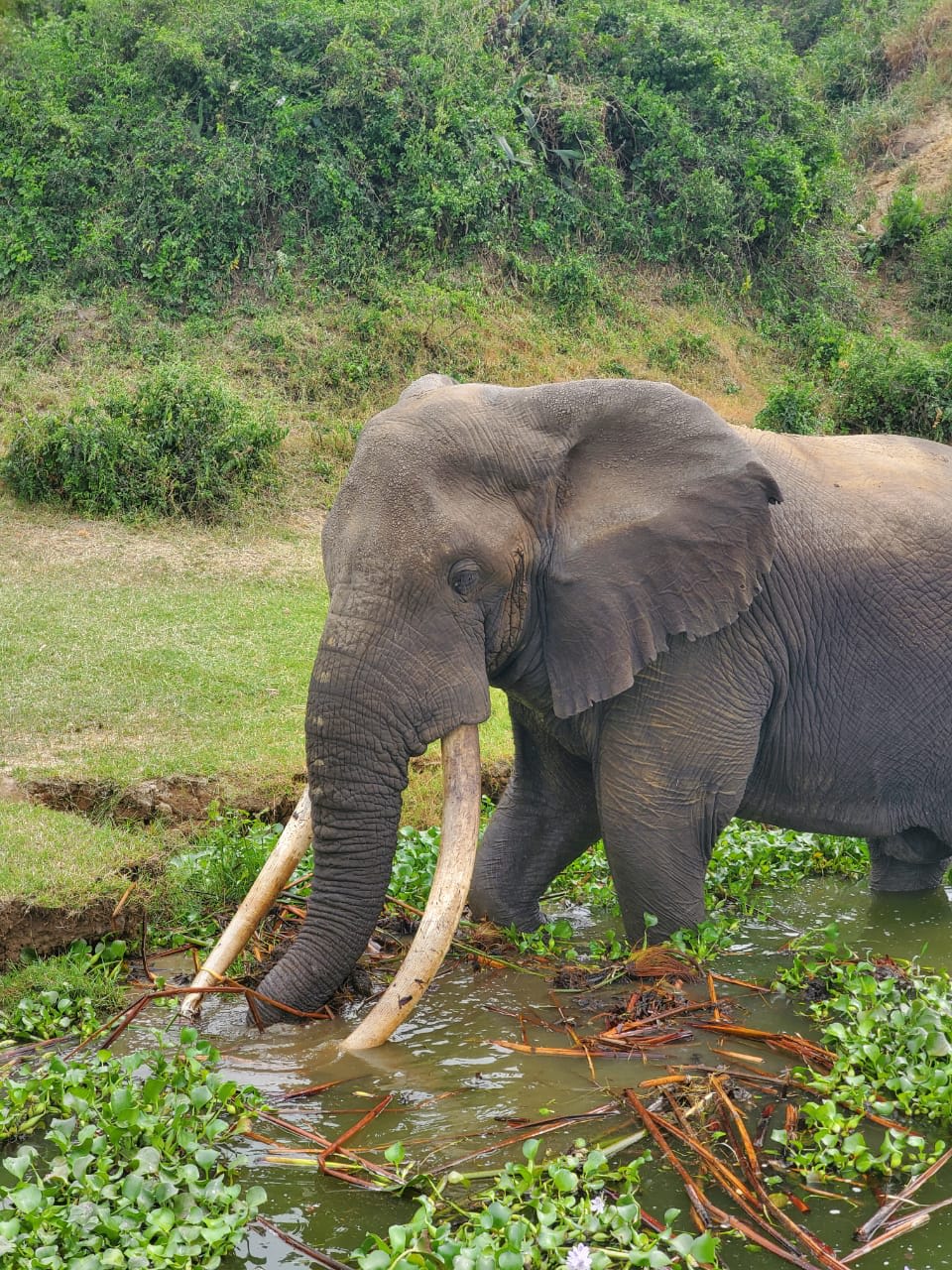
Queen Elizabeth National Park is Uganda's most visited national park and offers excellent wildlife viewing opportunities. You can expect to see African buffalo, elephants, Uganda kob, warthogs, hippos, and various antelope species. The park is also known for its diverse bird life, with over 600 bird species recorded. Game drives are typically conducted in the early morning or late afternoon when wildlife is most active, and your experienced guide will help you spot and identify animals in their natural habitat.
Mountain gorilla trekking in Bwindi offers an incredibly intimate wildlife experience. Visitors are typically permitted to spend one hour observing a habituated gorilla family from a distance of about 7 meters (23 feet), though this can vary depending on the gorillas' behavior and park regulations. Your guide will ensure you maintain appropriate distance to protect both the gorillas and your safety. The experience is highly regulated to minimize stress on these endangered animals while allowing for unforgettable close encounters with these magnificent creatures.
The best times to visit Uganda for primate trekking are during the dry seasons: June to July and December to February. During these months, trails are less muddy, visibility is clearer, and wildlife is generally more active. However, Uganda's tropical climate means trekking is possible year-round. The wet seasons (March to May and September to November) see fewer visitors, lower prices, and lush scenery, though trails can be more challenging. Booking in advance is recommended, especially during peak seasons.
Yes, vaccinations are an important part of preparing for travel to Uganda. Yellow fever vaccination is typically recommended or required, and many travelers also get vaccinated against typhoid, hepatitis A and B, and ensure their routine immunizations are current. Malaria prophylaxis is also commonly recommended, particularly for lower-altitude areas. However, specific vaccination requirements and recommendations can vary based on your nationality, medical history, and exact itinerary. We strongly recommend consulting with a travel health clinic or your doctor at least 4-6 weeks before your trip to receive personalized medical advice. Please note that health vaccinations and medications are not included in the package cost.
Pack lightweight, breathable clothing in neutral colors (avoid bright patterns that can disturb wildlife), along with a waterproof jacket for rain. Sturdy, waterproof hiking boots are essential for forest trekking, as trails can be muddy and slippery. Bring long pants and long-sleeved shirts for sun protection and insect prevention. Other important items include a hat, sunscreen, insect repellent, binoculars, a camera with extra batteries, a headlamp or flashlight, and any personal medications. Layers are important as temperatures vary with altitude and time of day. Pack light to medium luggage since you'll be doing active trekking, and consider a small daypack for daily excursions.
Mountain gorilla trekking in Bwindi is moderately to strenuous physical activity. The trek involves hiking through dense, misty forest terrain that can be steep, muddy, and slippery, often at high altitude (around 2,200-2,600 meters). Treks typically last 2-7 hours depending on where the gorilla families are located on any given day. While no technical climbing skills are required, a reasonable level of fitness is beneficial. The experience is accessible to people of varying fitness levels, though those with mobility issues, severe joint problems, or heart conditions should consult their doctor first. Experienced guides set a manageable pace and can provide walking sticks to assist with balance and stability.
Yes, gorilla trekking in Uganda is generally safe when done through established operators with experienced guides. Bwindi Impenetrable National Park has strict regulations and well-trained rangers who prioritize visitor safety. Guides are equipped with communication devices and trained in wildlife safety protocols. The term 'impenetrable' refers to the forest's dense vegetation, not any danger. However, trekking involves physical exertion in remote forest terrain, so it's important to be in reasonable health and follow your guide's instructions carefully. Always trek with authorized operators and guides, respect wildlife boundaries, and inform your guide of any health concerns before starting.
Lake Bunyonyi is Uganda's second-deepest lake, located in the southwestern region near Bwindi. Often called the 'Lake of a Thousand Islands,' it features over 29 islands and is surrounded by lush, terraced hills creating stunning scenic landscapes. The lake is a perfect place to relax after the physical demands of gorilla and chimpanzee trekking. Activities include boat rides, island visits, swimming (it's one of Uganda's few crocodile-free lakes), birdwatching, and community visits. The tranquil setting provides excellent opportunities for photography, reflection, and experiencing local culture. It's an ideal way to conclude a safari adventure while enjoying peaceful natural beauty.
A 5-day Uganda safari including gorilla trekking in Bwindi and chimpanzee trekking in Kibale Forest typically ranges from $2,000 to $5,000+ per person, depending on accommodation quality, group size, and specific inclusions. The primary cost driver is the gorilla permit, which is required and costs around $1,500 per person. Budget options with basic accommodations and shared guides may be on the lower end, while luxury lodges and private guide services command higher prices. Package inclusions typically cover ground transportation, English or German-speaking guides, and activities as outlined in the itinerary. Drinks not specified in the itinerary and health vaccinations are usually additional costs. For accurate pricing, contact your tour operator directly based on your preferred travel dates and accommodation standards.
 Nalia Adventures ltdKampala, Uganda5.0(3 reviews)
© 2026 SafariFind. All rights reserved.
