 1 / 91 / 9
Loading SafariFind...
1 / 9Tarangire National Park
Tarangire National Park
Meals: Dinner
Serengeti National Park
Serengeti National Park
Meals: Breakfast, Lunch, Dinner
Serengeti National Park
Serengeti National Park
Meals: Breakfast, Lunch, Dinner
Ngorongoro Crater
Ngorongoro Crater
Meals: Breakfast, Lunch, Dinner
Lake Manyara National Park
Lake Manyara National Park
Meals: Breakfast
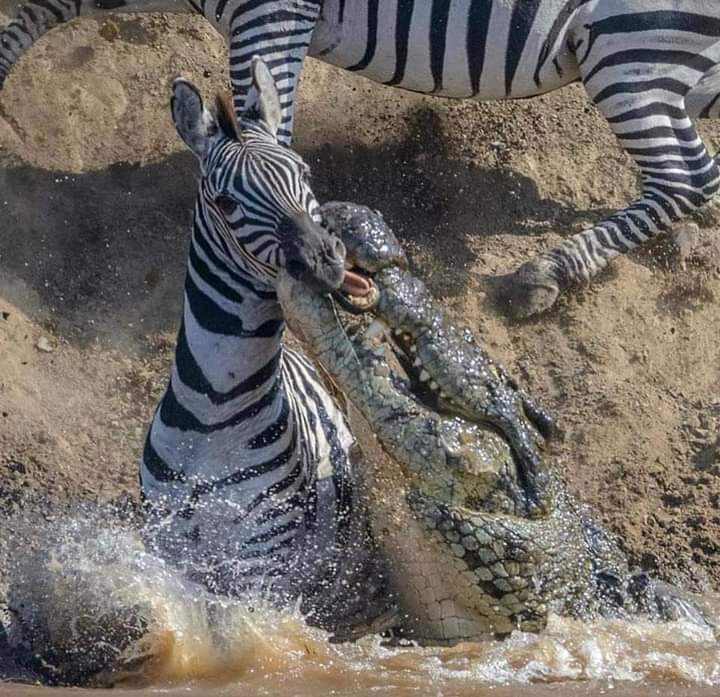
The Tanzania Northern Circuit, which includes the Serengeti, Ngorongoro Crater, Tarangire, and Lake Manyara, is home to an incredible diversity of wildlife. You can expect to see the Big Five (lions, elephants, buffalo, leopards, and rhinoceros), along with giraffes, zebras, wildebeest, gazelles, hyenas, and numerous bird species. The Serengeti is particularly famous for its massive wildebeest herds, while the Ngorongoro Crater offers exceptional wildlife viewing in a concentrated area. Each park has its own unique ecosystem, so the specific animals you encounter will vary by location and season.
Tanzania can be visited year-round, but the best times depend on what you want to experience. The dry season from June to October offers the best game viewing, as animals congregate around water sources and vegetation is sparse, making wildlife easier to spot. December to February is the short dry season, ideal for birdwatching and seeing newborn animals. The wet season (March to May) brings lush landscapes and fewer tourists, though some roads may be challenging. For the Great Migration in the Serengeti, July to October is peak season when massive herds cross from the Serengeti to Kenya's Masai Mara.
Yes, 5 days is a solid duration for a Tanzania safari, especially when focusing on the Northern Circuit. This timeframe allows you to visit multiple parks including the Serengeti, Ngorongoro Crater, Tarangire, and Lake Manyara, giving you a comprehensive experience of Tanzania's most iconic wildlife destinations. You'll have sufficient time for multiple game drives in each location and won't feel rushed. However, if you have more time available, 7-10 days would allow for even deeper exploration and increase your chances of spotting elusive wildlife like leopards and cheetahs.
Pack neutral-colored, lightweight clothing suitable for warm days and cool mornings and evenings. Essentials include long pants and long-sleeved shirts for sun and insect protection, a warm jacket or fleece for early morning game drives, comfortable walking shoes, and a hat or cap. Bring high-SPF sunscreen, insect repellent, and any personal medications. Don't forget binoculars, a camera with extra batteries and memory cards, and a headlamp or flashlight. Quick-dry clothing is practical for the potentially wet season. Avoid bright colors and patterns that might disturb wildlife. A small daypack for game drives is also useful for carrying water, snacks, and camera equipment.
A 5-day Tanzania Northern Circuit safari is classified as a mid-range option, making it more affordable than luxury safaris while still providing quality accommodations and experiences. Typical pricing for group-sharing camping safaris ranges from $1,500 to $3,000 per person, depending on the season, accommodation standards, and operator. This generally includes park entrance fees, accommodation, all meals, a private 4x4 vehicle, and a professional guide. Additional costs to budget for include international airfare, travel insurance, visa fees, vaccinations, tips and gratuities for guides and staff, alcoholic beverages, and any optional activities. Prices tend to be lower during the wet season and higher during peak dry season months.
Visa requirements for Tanzania depend on your nationality. Most visitors require a visa, which can be obtained on arrival at the airport, through an online e-visa system, or in advance from a Tanzanian embassy or consulate. The tourist visa typically costs around $50-100 USD and is valid for 90 days. It's essential to check the specific requirements for your country of citizenship well before your trip, as regulations can change. Ensure your passport is valid for at least 6 months beyond your travel dates. We recommend verifying current visa requirements with the official Tanzanian immigration website or your nearest embassy.
Vaccinations recommended for Tanzania typically include yellow fever, typhoid, hepatitis A, and tetanus. Malaria prophylaxis is strongly advised, particularly for the Northern Circuit parks. Consult your doctor or a travel health clinic at least 4-6 weeks before your departure, as recommendations can vary based on your medical history, the specific areas you'll visit, and current health advisories. Yellow fever vaccination may be required for entry if you're arriving from certain countries. It's also wise to ensure routine vaccinations (measles, mumps, rubella, polio) are up to date. Your healthcare provider can give personalized advice based on your individual health profile and travel itinerary.
A group camping safari typically includes all national park entrance fees, accommodation in camps as specified in the itinerary, three meals daily (breakfast, lunch, and dinner), transportation in a private 4x4 safari vehicle shared with other group members, services of a professional English-speaking guide, bottled water during game drives, and government taxes and VAT. This comprehensive package takes the guesswork out of planning and provides excellent value. However, items not included are international airfare, travel insurance, alcoholic beverages, tips and gratuities for staff, personal expenses, optional activities, travel vaccinations, and visa fees. It's important to clarify what's covered with your operator before booking.
Group safaris typically accommodate between 6 and 20 people per vehicle or group, though this can vary by operator. Most commonly, you'll find groups of 8-12 people sharing a single 4x4 safari vehicle, which allows for good wildlife viewing opportunities without overcrowding. The advantage of group safaris is the shared cost, making them more budget-friendly than private safaris. You'll meet fellow travelers from around the world, which many people find enriching. If you prefer more privacy or have specific interests, some operators offer smaller group options or the ability to arrange private safaris at a higher cost. It's worth asking your operator about the typical group size and composition before booking.
Yes, you can visit Tanzania during the rainy season (March to May for the long rains, and November to December for the short rains), though it requires flexibility. Benefits include fewer tourists, lower prices, lush green landscapes, excellent birdwatching, and the opportunity to see newborn animals. However, some challenges include occasional road closures or muddy conditions, reduced visibility for game viewing due to thick vegetation, and unpredictable weather. The long rainy season is generally wetter than the short rains. If you choose to visit during this period, ensure your operator has experience navigating these conditions and that your vehicle is suitable. Many travelers find the rainy season rewarding for those seeking a quieter, more authentic safari experience.
© 2026 SafariFind. All rights reserved.