 1 / 91 / 9
Loading SafariFind...
1 / 9Arrival in Arusha & Transfer to Serengeti
Serengeti National Park
Meals: Dinner
Full Day Serengeti Game Drives & Wildlife Exploration
Serengeti National Park
Meals: Breakfast, Lunch, Dinner
Serengeti Hot Air Balloon Safari & Game Drives
Serengeti National Park
Meals: Breakfast, Lunch, Dinner
Transfer to Lake Manyara & Scenic Wildlife Viewing
Lake Manyara National Park
Meals: Breakfast, Lunch, Dinner
Lake Manyara Exploration & Materuni Waterfalls Cultural Experience
Materuni Waterfalls
Meals: Breakfast
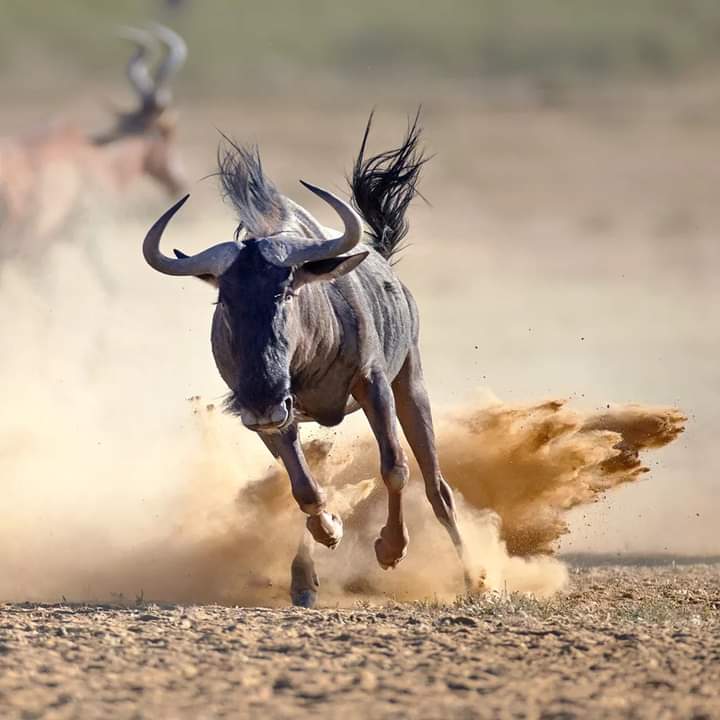
The Serengeti is home to over two million large animals and supports an incredibly diverse ecosystem. You can expect to see the Big Five—lions, elephants, buffalo, leopards, and rhinoceros—along with zebras, wildebeest, giraffes, hyenas, and countless other species. The park is also renowned for its birdlife, with over 500 bird species recorded there. Wildlife viewing is excellent year-round, though sightings vary seasonally depending on migration patterns and animal movements across the vast plains.
Yes, five days is an excellent duration for a comprehensive Tanzanian safari experience. Three full days in the Serengeti provides substantial wildlife viewing opportunities and allows you to explore different regions of the park. Adding Lake Manyara to your itinerary extends your experience into a different ecosystem with its own unique wildlife and landscapes, maximizing your sightings and giving you a well-rounded introduction to Tanzania's greatest natural wonders. This timeframe balances immersive wildlife experiences with practical travel logistics.
The Serengeti offers excellent wildlife viewing year-round, but the best conditions depend on what you want to experience. The dry seasons—June to October and January to February—provide optimal game viewing because animals congregate around water sources, making them easier to spot, and vegetation is sparse so wildlife is more visible. However, the green season (November to May) transforms the landscape into lush scenery and offers abundant birdlife and newborn animals. Consider your preferences: dry season for concentrated wildlife viewing or green season for dramatic landscapes and birding.
Lake Manyara National Park hosts a stunning concentration of wildlife in a more intimate setting than the vast Serengeti plains. The park is particularly famous for its large elephant populations, tree-climbing lions (a unique behavior found here), and abundant birdlife. The dramatic landscape—with towering cliffs framing a shimmering alkaline lake—creates ideal viewing conditions. While smaller than the Serengeti, Lake Manyara's ecosystem supports diverse species and offers excellent opportunities for game viewing, making it a perfect complement to a Serengeti safari.
Pack neutral-colored, breathable clothing in layers—mornings and evenings can be cool, while midday is hot. Essentials include a wide-brimmed hat, sunscreen, sunglasses, and comfortable walking shoes. Bring binoculars for wildlife viewing and a camera with extra batteries and memory cards. Pack any personal medications, toiletries, and insect repellent. A light jacket or fleece is useful for early morning game drives. Depending on the season, rain gear may be necessary. Avoid bright colors and patterns that can disturb wildlife. Check with your operator for specific recommendations based on the season of your visit.
Visa requirements for Tanzania depend on your nationality. Many countries' citizens can obtain a visa on arrival or apply for an e-visa in advance through the Tanzanian immigration website. Some nationalities may qualify for visa exemptions. It's essential to check the current requirements with the Tanzanian embassy or consulate in your country well before your trip, as regulations can change. Ensure your passport is valid for at least six months beyond your travel dates. Your safari operator can provide guidance, but you should verify official requirements through official government sources.
Vaccinations and health precautions for Tanzania typically include protection against yellow fever, typhoid, and routine immunizations. Malaria prophylaxis is strongly recommended, as the Serengeti and Lake Manyara are malaria-endemic areas. Consult with a travel medicine clinic or your doctor at least 4-6 weeks before your trip to discuss your specific health needs based on your medical history and itinerary. They can recommend appropriate vaccinations and medications. You should also arrange travel insurance that covers medical emergencies. Always follow current health advisories from your government's health department.
Game drives are conducted in private 4x4 safari vehicles with professional, English-speaking guides who have extensive knowledge of wildlife behavior, ecology, and park geography. Drives typically take place during early morning and late afternoon—the times when wildlife is most active and temperatures are comfortable. Your guide will track animals, navigate the terrain, and provide expert commentary on everything you see. The vehicle allows you to get close to wildlife safely while remaining unobtrusive. Most operators include bottled water during drives, and you'll return to your accommodation for meals and rest during the heat of midday.
The Great Migration's location within the Serengeti varies seasonally. From June to October, massive herds of wildebeest and zebras typically move through the northern Serengeti and into Kenya's Masai Mara. From November to May, they're usually in the southern and central Serengeti. A five-day Northern Circuit safari can offer excellent opportunities to witness migration herds, especially during the dry season (June-October), though specific sightings depend on exact timing and animal movements. If witnessing the Great Migration is a priority, discuss the best travel dates with your operator based on current migration patterns.
The Northern Circuit safari concludes with a visit to Materuni Waterfalls, where you can experience local Chagga culture. This provides an opportunity to interact with local communities, learn about traditional ways of life, and cool off in pristine mountain pools after your game drives. The Chagga people have a rich cultural heritage in the foothills of Mount Kilimanjaro. This cultural component adds depth to your safari experience beyond wildlife viewing, offering insight into the human communities that coexist with Tanzania's incredible ecosystems. Check with your operator about the specific cultural activities and interactions available during your visit.
© 2026 SafariFind. All rights reserved.