 1 / 6
1 / 6 5 daysshared
5-Day Tarangire, Serengeti & Ngorongoro Safari
Highlights
- wildlife
Loading SafariFind...
1 / 6Arrival to Arusha
Arusha
Meals: Lunch, Dinner
Arusha to Tarangire National Park
Tarangire National Park
Meals: Breakfast, Lunch, Dinner
Ngorongoro Crater to Serengeti National Park
Ngorongoro Crater
Meals: Breakfast, Lunch, Dinner
Serengeti National Park to Mto wa Mbu
Serengeti National Park
Meals: Breakfast, Lunch, Dinner
Lake Manyara National Park to Arusha
Lake Manyara National Park
Meals: Breakfast, Lunch
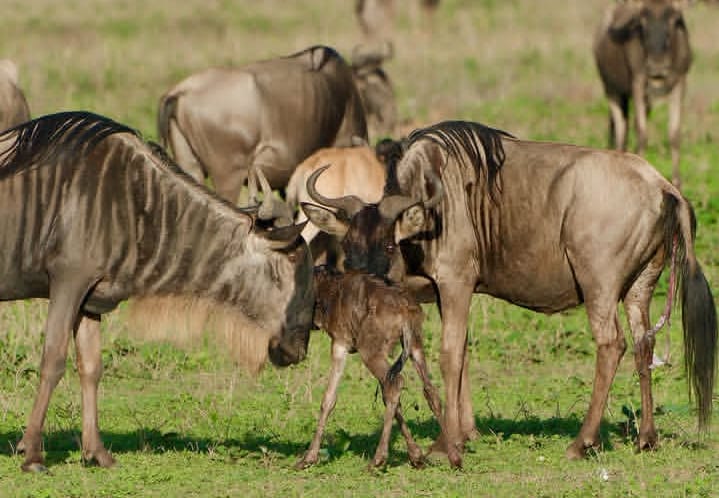
Tarangire National Park is renowned for its exceptional elephant populations—you'll likely encounter large herds, particularly during the dry season. The park is also home to lions, leopards, giraffes, zebras, wildebeest, buffalo, and numerous bird species. The Tarangire River attracts wildlife year-round, making it an excellent location for game viewing and photography. The park's diverse ecosystems support both predators and prey, offering excellent opportunities to witness natural wildlife interactions.
The best time for a Serengeti and Tarangire safari is during the dry seasons: June to October and January to February. The dry season offers the clearest visibility for wildlife viewing, as animals congregate around water sources, making them easier to spot. The June to October period is particularly popular as it coincides with the Great Migration in the Serengeti. During the wet season (November to May), wildlife disperses, but vegetation is lush and bird watching is exceptional. Consider your priorities—migration viewing versus lower crowds and lush landscapes.
A 5-day safari is an ideal duration for exploring Tanzania's major parks including Tarangire, Serengeti, and Ngorongoro Crater. This timeframe allows you to spend meaningful time in each ecosystem, maximize wildlife viewing opportunities, and experience the diverse landscapes without feeling rushed. While shorter 3-day safaris are possible, five days provides a better balance for acclimatization, travel between parks, and increasing your chances of encountering the full range of wildlife. Longer safaris of 7+ days allow for deeper exploration and more relaxed pacing.
The Ngorongoro Crater is one of the world's largest intact volcanic calderas and a UNESCO World Heritage Site located in northern Tanzania. It's essentially a natural amphitheater containing a complete ecosystem with an estimated 25,000 large animals, including lions, elephants, zebras, wildebeest, and flamingos. The crater's unique geography—steep walls surrounding a self-contained habitat—creates exceptional wildlife viewing opportunities. It's often called the 'eighth wonder of the world' and offers stunning photography opportunities. A visit to the crater provides a distinct safari experience different from traditional park game drives.
A private safari offers distinct advantages over group tours. With a dedicated private 4x4 vehicle and personal guide, you enjoy flexible pacing, personalized attention, and the ability to spend time observing animals without compromising your experience for other travelers. Your guide can tailor the safari to your interests—whether you prefer photography, bird watching, or wildlife behavior observation. Private safaris also provide more comfortable travel dynamics and the opportunity to request a guide who speaks your preferred language. The trade-off is that private safaris typically cost more than shared group tours, but many travelers find the personalized experience worth the investment.
Pack neutral-colored, breathable clothing in layers—khaki, tan, olive, and gray are ideal for blending into the landscape and reducing insect attraction. Bring lightweight long sleeves and pants to protect against sun and insects. Include a warm fleece or jacket for early morning game drives when temperatures are cool. Essential items include a wide-brimmed hat, high-SPF sunscreen, sunglasses, and a good camera with extra batteries and memory cards. Comfortable walking shoes and closed-toe hiking boots are important for nature walks. Don't forget binoculars, a headlamp or flashlight, and any personal medications. Pack toiletries, though many accommodations provide basics. Avoid bright colors and perfumes that might disturb wildlife.
Private safari costs in Tanzania vary based on season, accommodation level, and specific parks visited. A 5-day private safari typically ranges from $2,500 to $6,000+ per person, depending on whether you're traveling solo or with others, and your accommodation preferences. High-season (June-October) pricing is generally higher than low-season rates. This package includes park fees, accommodation, meals, vehicle, guide, and transfers, which significantly reduces additional costs. Budget separately for international flights, travel insurance, visas, tips, and optional activities. Booking during shoulder seasons (March-May or November) can offer better rates than peak season.
Most international visitors require a visa to enter Tanzania. Tourist visas are typically available on arrival at major airports or can be obtained in advance through a Tanzanian embassy or online e-visa services. Visa requirements vary by nationality, so check with your country's Tanzanian embassy for specific requirements well before your trip. The tourist visa is usually valid for 90 days. Ensure your passport is valid for at least six months beyond your travel dates. While visa fees are not included in most safari packages, the process is generally straightforward. Consult official Tanzanian government sources for the most current visa requirements.
Consult with a travel medicine clinic at least 4-6 weeks before your safari. Yellow fever vaccination is strongly recommended and may be required for entry depending on your origin country. Malaria prophylaxis is typically recommended for Tanzania, as the country is in a malaria-endemic region—your doctor can prescribe appropriate medications. Routine vaccinations (MMR, tetanus, hepatitis A and B) should be current. Some travelers also consider typhoid and Japanese encephalitis vaccines depending on their itinerary. Tanzania's highland regions (including Ngorongoro and parts of the Serengeti) have lower malaria risk than lowland areas. Always consult with a travel health professional for personalized recommendations based on your health history and specific travel plans.
A comprehensive all-inclusive safari typically covers park entrance fees, accommodation throughout your stay, all meals (breakfast, lunch, and dinner), transportation via private 4x4 vehicle, professional guide services, airport transfers, and bottled water during game drives. Government taxes and VAT are usually included. This all-inclusive approach simplifies budgeting and eliminates surprises. However, items typically not included are international airfare, travel insurance, visa fees, alcoholic beverages, personal expenses, tips and gratuities for guides and staff, and optional activities like hot air balloon rides or special excursions. Review your specific package inclusions carefully and budget separately for these excluded items to avoid unexpected costs during your trip.
© 2026 SafariFind. All rights reserved.