 1 / 91 / 9
Loading SafariFind...
1 / 9Arrival in Arusha & Journey to Tarangire National Park
Tarangire National Park
Meals: Dinner
Full Day Game Drive in Tarangire & Transfer to Serengeti
Serengeti National Park
Meals: Breakfast, Lunch, Dinner
Full Day Serengeti Safari & Hot Air Balloon Experience
Serengeti National Park
Meals: Breakfast, Lunch, Dinner
Serengeti to Ngorongoro Crater & Cultural Maasai Village Visit
Ngorongoro Crater
Meals: Breakfast, Lunch, Dinner
Ngorongoro Crater Game Drive & Lake Manyara National Park
Lake Manyara National Park
Meals: Breakfast
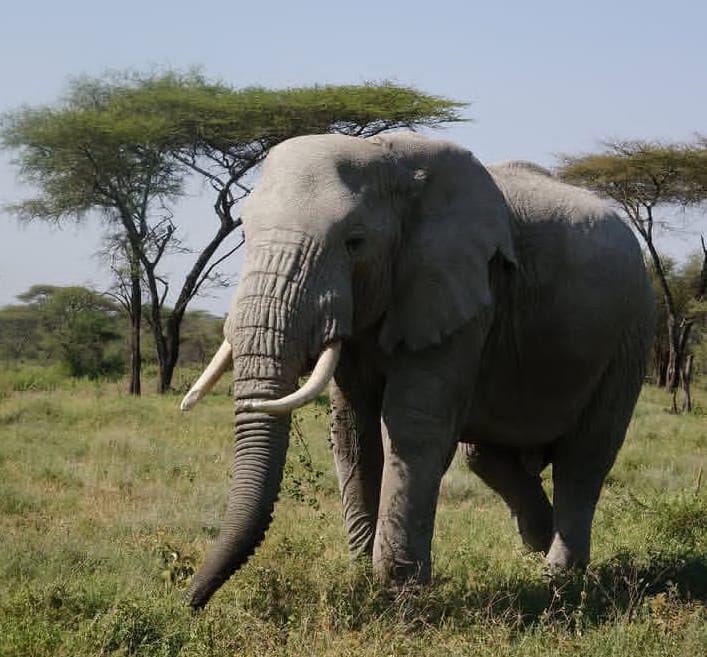
Northern Tanzania is home to Africa's most iconic wildlife, including the Big Five (lions, elephants, buffalo, leopards, and rhinoceros). You'll encounter vast herds of elephants in Tarangire National Park, wildebeest and zebras across the Serengeti plains, and diverse species like giraffes, hyenas, cheetahs, and numerous bird species. The region's varied ecosystems—from acacia woodlands to open grasslands—support an incredible range of animals, making it one of the world's premier safari destinations.
The best time for a Northern Tanzania safari is during the dry seasons: June to October (long dry season) and January to February (short dry season). During these periods, wildlife congregates around water sources, making game viewing exceptional. June to October is particularly renowned for the Great Migration in the Serengeti. The wet season (November to May) offers lush landscapes and fewer tourists, but some roads may be challenging. Each season offers unique advantages depending on your priorities.
A 5-day safari is an ideal duration for experiencing Northern Tanzania's highlights, allowing you to visit multiple parks including Tarangire, the Serengeti, Ngorongoro Crater, and Lake Manyara. This timeframe provides sufficient game drives to maximize wildlife encounters and scenic experiences while minimizing travel fatigue. Longer safaris (7-10 days) allow for deeper exploration, while shorter trips (2-3 days) offer a quick introduction but may feel rushed.
Pack neutral-colored, lightweight clothing in earth tones (khaki, beige, green) to blend with the environment and avoid disturbing wildlife. Essentials include a wide-brimmed hat, sunglasses, high-SPF sunscreen, and comfortable walking shoes. Bring a light jacket for early morning game drives when temperatures are cool, and layers for temperature variations. Don't forget binoculars, a camera with extra batteries, medications, insect repellent, and toiletries. Check with your operator for specific recommendations based on the season you're traveling.
Yes, a Tanzania safari is generally safe and suitable for families with children of various ages. The experience is conducted from secure vehicles with professional guides who prioritize safety. Many families find safaris engaging and educational for children, offering wildlife viewing and nature immersion. However, consider your children's ages and comfort levels with early morning starts and extended vehicle time. Consult with your safari operator about age recommendations and any specific precautions for your family's needs.
Vaccinations are recommended before traveling to Tanzania, though specific requirements depend on your origin country and medical history. Yellow fever vaccination is often recommended, and routine vaccinations should be up to date. Malaria prophylaxis is typically advised for most regions, particularly at lower elevations. It's essential to consult with a travel health clinic 4-6 weeks before your trip to receive personalized medical advice based on your itinerary and health profile. Your safari operator can provide general guidance, but a healthcare professional should make final recommendations.
A comprehensive Tanzania safari package typically includes all national park entrance fees, accommodations in lodges, all meals (breakfast, lunch, and dinner), private 4x4 safari vehicle transportation, professional English-speaking guides, and bottled water during game drives. Most packages also cover government taxes and VAT. However, international airfare, travel insurance, visa fees, alcoholic beverages, tips, and optional activities are usually excluded. Always review your specific package details to understand what's covered and plan accordingly for additional expenses.
Tanzania safari costs vary based on accommodation quality, season, group size, and tour operator. A 5-day safari typically ranges from budget-friendly options to luxury experiences. Budget safaris may cost $1,500-$2,500 per person, mid-range packages $2,500-$4,500, and luxury safaris $4,500 and above. Peak season (June-October) is more expensive than shoulder seasons. Costs often include lodging, meals, guides, and park fees, but exclude international flights and insurance. Request detailed quotes from operators and compare inclusions to find the best value for your preferences.
The Ngorongoro Crater is a UNESCO World Heritage Site and one of Africa's most remarkable natural wonders—a massive volcanic caldera spanning 19 kilometers across with walls rising 600 meters. It's home to one of the world's largest permanent wildlife populations, including lions, elephants, buffalo, and zebras, all contained within this natural amphitheater. The crater's unique ecosystem, stunning scenery, and exceptional wildlife concentration make it a bucket-list destination. Its enclosed environment creates an incredible safari experience where you can witness abundant wildlife in a relatively compact area.
Yes, the Great Migration can be experienced on a Northern Tanzania safari, particularly during the dry season from June to October when massive herds of wildebeest, zebras, and gazelles move through the Serengeti in search of fresh grazing. The timing and location of the migration varies throughout the year—it typically moves from the southern plains (January-March) through the central Serengeti (April-May) and into the northern regions (June-October). A 5-day safari during peak migration season offers excellent chances of witnessing this spectacular natural phenomenon, though sightings depend on specific dates and weather conditions.
© 2026 SafariFind. All rights reserved.