 1 / 91 / 9
Loading SafariFind...
1 / 9Arusha to Tarangire National Park
Tarangire National Park
Meals: Dinner
Tarangire To Serengeti National Park
Serengeti National Park
Meals: Breakfast, Lunch, Dinner
Serengeti Full Day Game Drive
Serengeti National Park
Meals: Breakfast, Lunch, Dinner
Ngorongoro Crater
Ngorongoro Crater
Meals: Breakfast, Lunch, Dinner
Lake Manyara National Park & Departure
Lake Manyara National Park
Meals: Breakfast
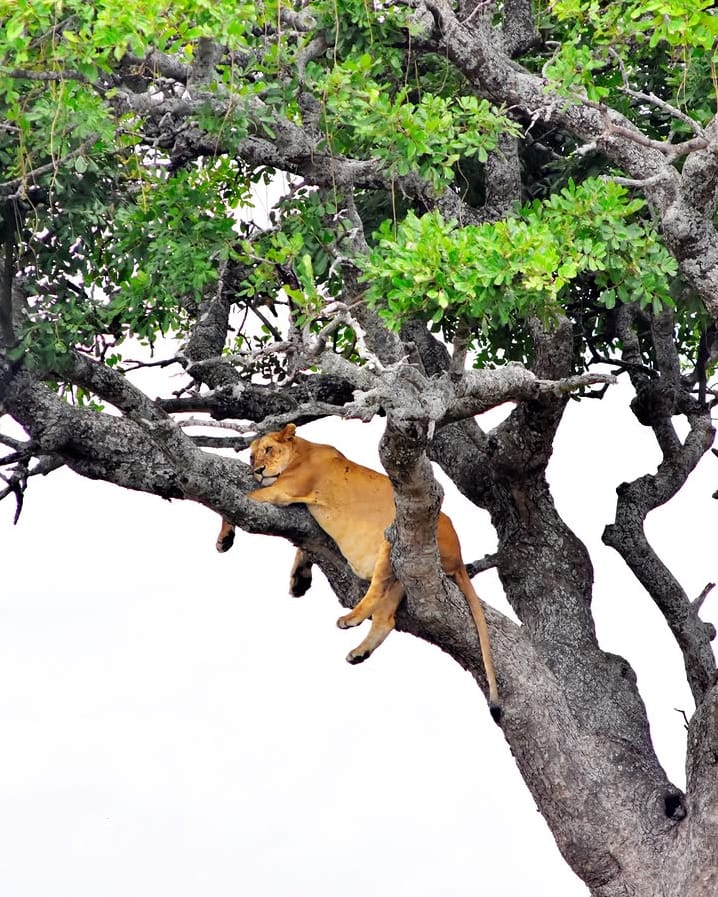
Tanzania is home to an incredible variety of wildlife across its national parks. On a Tanzania safari, you can expect to see the Big Five (lions, elephants, buffalo, leopards, and rhinoceros), along with zebras, giraffes, wildebeest, gazelles, hyenas, and numerous bird species. The Serengeti is particularly famous for its large concentrations of wildebeest and zebras, especially during the Great Migration. Lake Manyara is known for its tree-climbing lions and large elephant herds, while Tarangire National Park offers excellent opportunities to see elephants, antelopes, and predators. The Ngorongoro Crater is a unique ecosystem where you can see a dense concentration of wildlife in a relatively compact area, including black rhinos.
Tanzania can be visited year-round, but the best times depend on what you want to experience. The dry seasons (June to October and January to February) offer the best game viewing because animals congregate around water sources, making them easier to spot. June to October is ideal for witnessing the Great Migration in the Serengeti, where millions of wildebeest and zebras move across the plains. The wet season (November to May) is less popular for safaris but offers lush landscapes, fewer tourists, and lower prices. Many travelers find the shoulder months of April, May, November, and December to be excellent compromises between wildlife viewing and avoiding peak tourist crowds.
Packing for a Tanzania safari requires careful consideration of climate and wildlife viewing conditions. Bring lightweight, neutral-colored clothing (khaki, tan, olive, and gray blend better with the landscape than bright colors), including long-sleeved shirts and long pants for sun protection and insect avoidance. Pack a warm jacket or fleece for early morning and evening game drives, which can be chilly. Sturdy, closed-toe hiking boots are essential for walking on uneven terrain. Other important items include a wide-brimmed hat, sunglasses, high-SPF sunscreen, insect repellent, a good camera with extra batteries and memory cards, binoculars, toiletries, and any personal medications. A small daypack is useful for carrying items during game drives. Don't overpack, as luggage space in safari vehicles is limited.
Tanzania safari costs vary significantly depending on the type of accommodation, season, and tour operator. Mid-range safaris typically offer good value, with prices generally ranging from $1,500 to $3,500 per person for a 5-day safari when booked as a group tour. Budget safaris using basic camping accommodation are more affordable, while luxury safaris with premium lodges can exceed $5,000 per person daily. Group-sharing tours are more economical than private safaris. Keep in mind that while park entrance fees, accommodation, meals, and professional guides are often included, additional costs such as visa fees, travel insurance, international flights, alcoholic beverages, tips for guides, and optional activities are typically not included in the base price.
Most visitors to Tanzania require a visa, though requirements vary by nationality. Many countries can obtain a visa on arrival at Julius Nyerere International Airport in Dar es Salaam or apply for an e-visa online before traveling. Some nationalities enjoy visa-free or visa-on-arrival privileges. It's essential to check the current visa requirements for your specific country with the Tanzanian embassy or consulate well in advance of your trip, as regulations can change. Your tour operator can often provide guidance on the visa process, but you are responsible for obtaining your own visa. Processing times vary, so apply early to avoid delays.
While specific vaccination requirements depend on your country of origin and medical history, certain vaccinations are commonly recommended for Tanzania. Yellow fever vaccination is frequently required or recommended, particularly if you're arriving from certain countries. Malaria prophylaxis is strongly advised, as malaria is present in Tanzania, especially in lower-altitude areas. Additionally, healthcare providers typically recommend vaccinations for typhoid, hepatitis A and B, and routine immunizations like tetanus and polio. You should consult with a travel health clinic or your doctor at least 4-6 weeks before your trip to discuss your individual health needs and receive personalized recommendations. Travel insurance that covers medical evacuation is also highly recommended.
A typical Tanzania safari package includes several key components to ensure a comprehensive experience. Most packages cover all national park entrance fees, so you won't face surprise costs when entering the Serengeti, Ngorongoro Crater, Tarangire, or Lake Manyara. Accommodation is provided as per the itinerary, whether in camps, lodges, or other facilities. Three meals daily (breakfast, lunch, and dinner) are included, allowing you to enjoy local and international cuisine. You'll have access to a professional English-speaking guide who provides expert knowledge about wildlife, ecosystems, and local culture. Bottled water is provided during game drives to keep you hydrated. Government taxes and VAT are also typically included in the quoted price. However, items like visa fees, alcoholic beverages, tips for guides and staff, personal expenses, optional activities, travel insurance, vaccinations, and international airfare are usually not included.
The ideal length of a Tanzania safari depends on your interests and time availability. A 5-day safari is considered a solid introduction that allows you to visit multiple major parks including the Serengeti, Ngorongoro Crater, Tarangire, and Lake Manyara, providing excellent wildlife viewing opportunities and a good sense of Tanzania's diverse ecosystems. However, 3-day safaris are available for those with limited time, though they typically focus on fewer locations. For a more immersive experience, 7 to 10-day safaris allow deeper exploration, more game drives, and better chances of encountering rare wildlife. First-time safari visitors often find that 5 days strikes a good balance between experiencing Tanzania's major attractions and not spending excessive time in vehicles.
Yes, malaria is present in Tanzania and is a legitimate health concern for safari travelers. The risk varies by location and altitude—lower-lying areas like the Serengeti and Lake Manyara have higher malaria transmission than higher-altitude areas like the Ngorongoro Crater rim. The risk is generally higher during the wet season (November to May) when mosquitoes are more abundant. Most travel health professionals recommend taking malaria prophylaxis (preventive medication) before, during, and after your trip. Additionally, you should take precautions to avoid mosquito bites, such as wearing long sleeves and pants during dawn and dusk, using insect repellent containing DEET, and sleeping under mosquito nets. Consult with a travel health clinic well in advance to determine the best malaria prevention strategy for your specific trip.
Yes, Tanzania safari group tours typically operate year-round with regular departures, allowing you to join at virtually any time that suits your schedule. This flexibility is one of the advantages of group-sharing tours, as operators maintain consistent schedules throughout the year. However, the experience and conditions vary by season. The dry seasons (June to October and January to February) offer optimal wildlife viewing and comfortable weather, making these popular times to travel. The wet season (November to May) brings lush landscapes, fewer tourists, and lower prices, though some roads may be challenging and wildlife viewing can be less predictable. Regardless of when you travel, you'll have opportunities to experience Tanzania's remarkable wildlife and landscapes, though the specific animals you encounter and weather conditions will vary seasonally.
© 2026 SafariFind. All rights reserved.