 1 / 8
1 / 8 5 daysshared
Loading SafariFind...
1 / 8Arusha
Arusha
Meals: Dinner
Tarangire National Park
Tarangire National Park
Meals: Breakfast, Lunch, Dinner
Serengeti National Park
Serengeti National Park
Meals: Breakfast, Lunch, Dinner
Serengeti National Park
Serengeti National Park
Meals: Breakfast, Lunch, Dinner
Ngorongoro Crater
Ngorongoro Crater
Meals: Breakfast
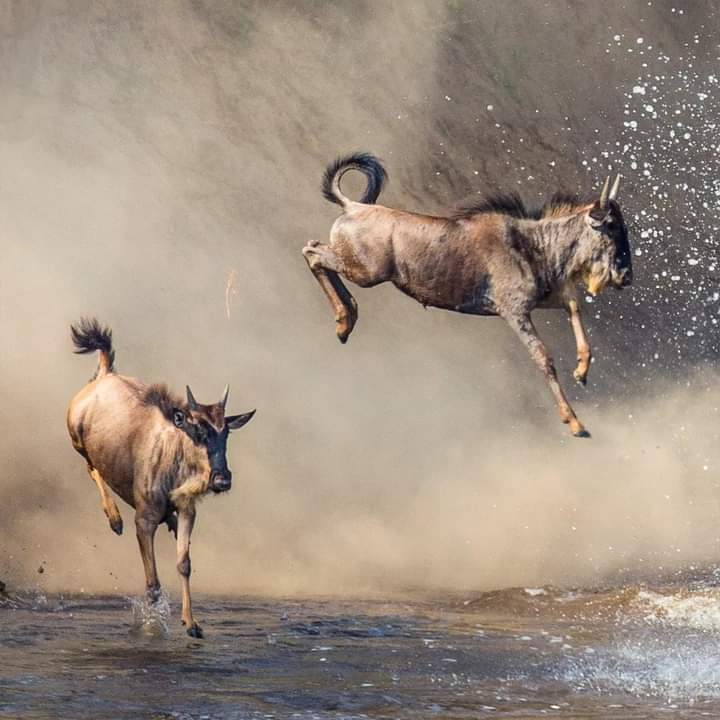
The Serengeti is home to one of Africa's largest wildlife concentrations, where you can see the Big Five: lions, elephants, buffalo, leopards, and rhinoceros. You'll also encounter zebras, wildebeest, giraffes, hyenas, cheetahs, and numerous antelope species. The Serengeti's vast plains support over 1.5 million large animals, making it one of the world's greatest wildlife viewing destinations. The specific animals you see depend on the season and your location within the park, but game viewing is exceptional year-round.
Tanzania offers excellent safari opportunities throughout the year, but the best times are during the dry seasons: June to October (long dry season) and January to February (short dry season). During these periods, vegetation is sparse, making wildlife easier to spot, and animals congregate around water sources. The dry season also offers the most comfortable weather for game drives. However, the wet seasons (November-December and March-May) bring lush landscapes, fewer tourists, and incredible bird watching, so the 'best' time depends on your priorities and budget.
Absolutely. The Ngorongoro Crater is one of Africa's most remarkable natural wonders and a UNESCO World Heritage Site. It's the world's largest intact volcanic caldera, containing a self-contained ecosystem with dense wildlife populations. Within the crater, you'll find lions, elephants, buffalo, zebras, and numerous bird species in a dramatically beautiful setting. The crater's unique geography concentrates wildlife in a relatively small area, making it ideal for game viewing. Most visitors consider it a highlight of any Tanzania safari experience, offering stunning photography opportunities and unforgettable wildlife encounters.
Essential items include lightweight, neutral-colored clothing (khaki, tan, and green help with wildlife viewing), a warm layer for early morning game drives, sturdy walking shoes, and a wide-brimmed hat. Bring high-SPF sunscreen, insect repellent, and any personal medications. A camera with a good zoom lens, binoculars, and a headlamp or flashlight are valuable for wildlife viewing. Pack toiletries, though many lodges provide basics. Sunglasses and a reusable water bottle are also recommended. Check weather forecasts closer to your travel dates, as conditions vary by season. Avoid bright colors and perfumes, which can disturb wildlife.
A 5-day safari is an ideal duration for experiencing Tanzania's major wildlife destinations, including Tarangire, Serengeti, and Ngorongoro Crater. This timeframe allows for multiple game drives in each location, increasing your chances of seeing diverse wildlife and experiencing different landscapes without feeling rushed. While shorter 2-3 day safaris are possible, they limit your exploration. Longer safaris of 7-10 days allow for deeper immersion and visits to additional parks like Lake Natron or Arusha National Park. For first-time safari-goers seeking a comprehensive experience, 5 days strikes an excellent balance between time investment and wildlife viewing opportunities.
Visa requirements for Tanzania depend on your nationality. Most visitors require a visa, which can be obtained on arrival at Julius Nyerere International Airport or applied for in advance at a Tanzanian embassy or consulate. Some nationalities qualify for visa-free entry or e-visa options. You'll need a valid passport with at least 6 months of validity beyond your travel dates. It's essential to check the current visa requirements for your specific country with the Tanzanian immigration authority or your nearest embassy before traveling, as regulations can change. Allow extra time for visa processing if applying in advance.
Consult your healthcare provider at least 4-6 weeks before travel, as vaccination requirements and recommendations vary based on your health history and specific itinerary. Yellow fever vaccination is often recommended for Tanzania and may be required for entry from certain countries. Malaria prophylaxis is typically advised for most safari regions, including the parks visited. Routine vaccinations (MMR, tetanus, etc.) should be current. Some travelers also consider vaccinations for typhoid and hepatitis A. Your doctor can provide personalized recommendations based on current health advisories and your individual circumstances. It's crucial to plan this well in advance of your departure.
A comprehensive safari package typically includes park entrance fees, accommodation at lodges or camps, all meals (breakfast, lunch, and dinner), game drives in a private 4x4 vehicle, and a professional English-speaking guide. Most packages also provide bottled water during game drives, airport transfers, and government taxes and VAT. However, exclusions usually include international flights, travel insurance, visa fees, alcoholic beverages, tips for guides and staff, and personal expenses. Optional activities like hot air balloon rides or cultural visits may incur additional costs. Always review the specific inclusions and exclusions before booking to understand what's covered and plan your budget accordingly.
Yes, Tanzania is an excellent destination for viewing the Big Five: lions, elephants, buffalo, leopards, and rhinoceros. The Serengeti and Ngorongoro Crater are particularly known for reliable Big Five sightings. Leopards are elusive and require patience and good luck, but experienced guides significantly increase your chances of spotting them. Rhinos are less common but present in the parks. Elephants are abundant, especially in Tarangire. While seeing all five animals during a single safari is not guaranteed, a 5-day itinerary covering multiple parks substantially increases your odds. Early morning and late afternoon game drives, combined with an experienced guide's knowledge, offer your best chances for these iconic sightings.
Tanzania safari costs vary significantly based on season, accommodation level, and package inclusions. Budget safaris range from $2,000-$4,000 per person for 5 days, mid-range options from $4,000-$7,000, and luxury experiences from $7,000-$15,000 or more. All-inclusive packages offering accommodation, meals, guides, and park fees provide better value than booking components separately. Low season (November-December, March-May) offers lower prices and fewer crowds. Peak season (June-October) commands premium rates but offers optimal wildlife viewing. Flight costs to Tanzania vary dramatically based on your origin. Request detailed quotes from tour operators to compare what's included and find the best value for your budget and preferences.
© 2026 SafariFind. All rights reserved.