 1 / 6
1 / 6 5 daysprivate
5-Day Serengeti Safari & Hot Air Balloon Experience
by
Loading SafariFind...
1 / 6by
Day 1
Tarangire National Park
Meals: Lunch, Dinner
Day 2
Serengeti National Park
Meals: Breakfast, Lunch, Dinner
Day 3
Serengeti National Park
Meals: Breakfast, Lunch, Dinner
Day 4
Ngorongoro
Meals: Breakfast, Lunch, Dinner
Day 5
Ngorongoro Crater
Meals: Breakfast, Lunch
Year Round
Year-round
| Season | Solo traveller |
|---|---|
Year Round Year-round | $2,710 |
Tanzania's safaris offer incredible opportunities to encounter Africa's most iconic wildlife. You can expect to see the Big Five—lion, leopard, elephant, buffalo, and black rhinoceros—along with cheetahs, giraffes, zebras, wildebeests, hippos, hyenas, and hundreds of bird species. The Serengeti, Tarangire, and Ngorongoro Crater are particularly renowned for their diverse wildlife populations. Your chances of spotting these animals increase significantly with an experienced professional guide who knows the best locations and animal behavior patterns.
Tanzania's safari season varies depending on what you want to experience. The dry seasons—June to October and January to February—offer the best game viewing because wildlife congregates around water sources, making them easier to spot. June to October is particularly excellent for witnessing the Great Migration in the Serengeti, when massive herds of wildebeest and zebras move across the plains. The wet season (November to May) brings lush landscapes and fewer tourists, but wildlife is more dispersed. Consider your priorities: peak wildlife viewing or a quieter experience with dramatic scenery.
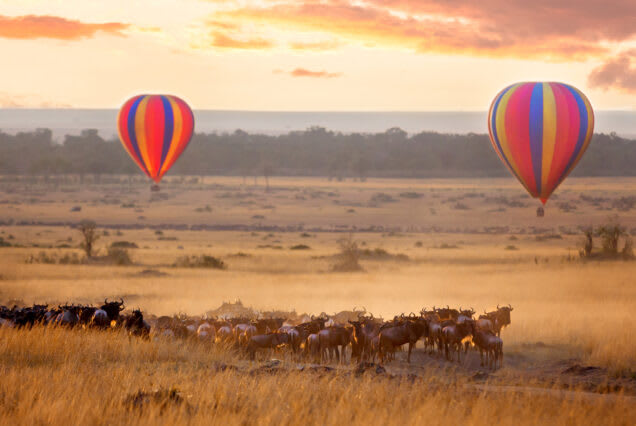
A hot air balloon safari over the Serengeti is an extraordinary experience that offers a completely unique perspective you cannot get from the ground. Floating silently above the plains at sunrise allows you to witness vast herds of wildlife from an aerial vantage point, photograph landscapes that are impossible to capture from a vehicle, and experience the tranquility of the African wilderness in an unforgettable way. The experience typically includes a traditional bush breakfast in the heart of the wilderness after landing, adding to the adventure. Most travelers consider it a once-in-a-lifetime experience that justifies the additional investment.
The cost of a 5-day Tanzania safari varies significantly based on accommodation choices, season, and specific inclusions. Budget safaris typically range from $1,500 to $2,500 per person, while mid-range options run $2,500 to $4,500, and luxury safaris can exceed $5,000 per person. Park entrance fees, professional guides, game drives, meals, and accommodation are usually included in the package price. However, international flights, visa fees, travel insurance, tips, and alcoholic beverages are typically not included. Booking during shoulder seasons (April-May or November) often provides better rates than peak season.
Pack neutral-colored clothing in earth tones (khaki, tan, brown, green) to blend into the landscape and avoid disturbing wildlife. Bring lightweight, breathable fabrics for hot days and a warm layer for early morning game drives and balloon flights. Essential items include a wide-brimmed hat, high-SPF sunscreen, sunglasses, and insect repellent. Comfortable walking shoes and sturdy boots are important for uneven terrain. Binoculars and a camera with a good zoom lens are invaluable for wildlife photography. Don't forget medications, toiletries, and any prescription items—supplies may be limited in remote areas. A lightweight rain jacket is useful even in dry season. Check with your operator for specific recommendations based on the season.
Visa requirements for Tanzania depend on your nationality. Many countries' citizens can obtain a visa on arrival at Tanzanian airports, while others can apply for an e-visa online before travel. Some nationalities may be exempt from visa requirements for short stays. It's essential to check the official Tanzanian immigration website or contact your nearest Tanzanian embassy well in advance of your trip, as requirements can change. Most safari operators can provide guidance, but visa fees are typically not included in package costs, so budget accordingly. Ensure your passport is valid for at least six months beyond your travel dates.
A 5-day safari is an ideal length for experiencing Tanzania's major highlights, including Tarangire National Park, the Serengeti, and Ngorongoro Crater, with time for multiple game drives and a hot air balloon experience. This duration allows you to maximize wildlife viewing opportunities across different ecosystems while minimizing travel fatigue. If you have more time, 7-10 days allows for deeper exploration and increased chances of encountering rare wildlife. Shorter 2-3 day safaris are possible but offer limited wildlife viewing and less time to appreciate the landscape. Consider your budget, vacation days, and wildlife viewing goals when deciding on duration.
A comprehensive Tanzania safari package typically includes park entrance fees for all national parks visited, all game drives in comfortable 4x4 vehicles, professional safari guide services, airport transfers, accommodation at your chosen lodge or tented camp, meals as specified, and drinking water during game drives. Some packages include special experiences like hot air balloon safaris with bush breakfast. However, international flights, visa fees, travel insurance, tips and gratuities, personal expenses, and alcoholic beverages are usually excluded. It's important to review your specific package details to understand exactly what's covered and budget accordingly for additional costs.
Ngorongoro Crater is a UNESCO World Heritage Site and one of the world's largest intact volcanic calderas, featuring a crater floor that spans approximately 260 square kilometers. It's a self-contained ecosystem that supports an extraordinary concentration of wildlife, including the Big Five, making it one of Africa's premier safari destinations. The crater's unique geography naturally contains wildlife within its walls, providing exceptional game viewing opportunities. The dramatic landscape, with steep crater walls and a lush floor, creates stunning scenery and photographic opportunities. A safari to Ngorongoro offers a completely different experience from open plains safaris, with wildlife often visible in closer proximity due to the confined landscape.
Yes, you can witness the Great Migration on a Tanzania safari, particularly if you visit during the right season. The Great Migration is a natural phenomenon where over two million wildebeest, zebras, and other herbivores migrate in a circular pattern across the Serengeti and Masai Mara. In Tanzania, the Serengeti hosts the migration from June to October, when massive herds move north from the southern plains in search of fresh grazing. This period offers some of the most dramatic wildlife spectacles, including river crossings and predator-prey interactions. A 5-day safari during these months significantly increases your chances of witnessing this extraordinary natural event, though wildlife sightings are never guaranteed.
 Pumba ReisenArusha, Tanzania
© 2026 SafariFind. All rights reserved.
