 1 / 91 / 9
Loading SafariFind...
1 / 9Arrival in Arusha
Arusha
Meals: Dinner
Lake Manyara National Park
Lake Manyara National Park
Meals: Breakfast, Lunch, Dinner
Serengeti National Park
Serengeti National Park
Meals: Breakfast, Lunch, Dinner
Full Day In Serengeti National Park
Serengeti National Park
Meals: Breakfast, Lunch, Dinner
Tarangire National Park
Tarangire National Park
Meals: Breakfast
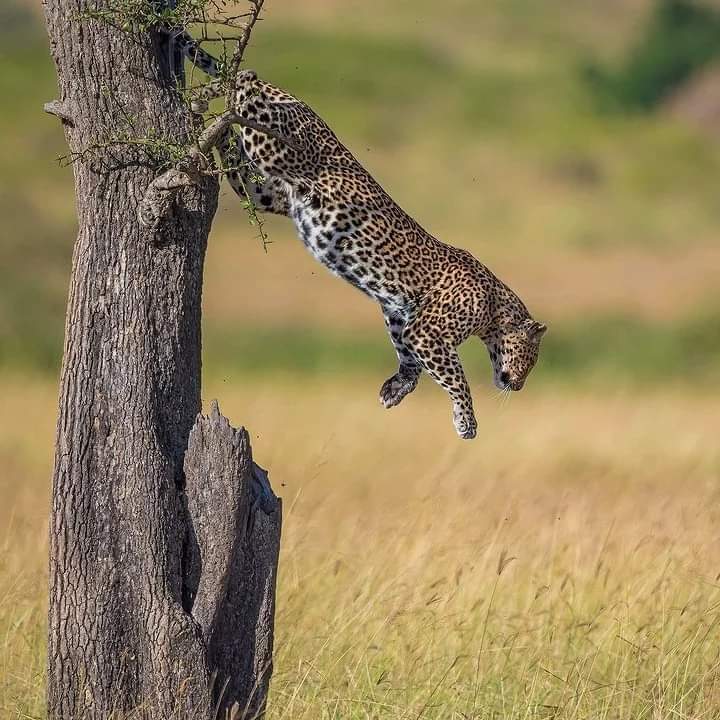
Tanzania's Northern Circuit offers exceptional wildlife viewing opportunities across multiple ecosystems. In Lake Manyara National Park, you can observe elephants, giraffes, flamingos, and the famous tree-climbing lions unique to this region. The Serengeti National Park is renowned for its abundant predators including lions, cheetahs, and leopards, along with massive herds of wildebeest and zebras. Tarangire National Park is particularly known for its large concentrations of elephants and diverse wildlife attracted to the Tarangire River. The combination of these three parks provides one of Africa's most comprehensive wildlife experiences, with opportunities to see over 300 bird species and numerous mammal species across different habitats.
Tanzania's safari season depends on what you want to experience. The dry season from June to October offers the best wildlife viewing, as animals congregate around water sources, making them easier to spot. During this period, vegetation is sparse, providing clear sightlines for game drives. The wet season from November to May brings lush green landscapes and excellent birdwatching, with fewer tourists and lower prices, though some roads may be challenging. For the Great Migration in the Serengeti, July to October is ideal when massive herds move through the plains. December to February offers another good window with pleasant weather and active wildlife. Consider your priorities—wildlife density versus scenic beauty and solitude—when planning your visit.
A 5-day safari is an ideal duration for experiencing Tanzania's Northern Circuit comprehensively. This timeframe allows you to spend quality time in three major parks—Lake Manyara, Serengeti, and Tarangire—without feeling rushed. A 5-day itinerary typically includes one full day in the Serengeti, enabling deeper exploration and multiple game drives to maximize wildlife encounters. Shorter 3-day safaris are possible but more limited in scope, while 7-10 day safaris allow for additional parks or more extensive time in each location. For first-time visitors seeking a balanced mix of iconic destinations and wildlife experiences, 5 days provides excellent value and memorable encounters.
Pack lightweight, neutral-colored clothing in earth tones (khaki, tan, brown, green) to blend with the landscape and avoid disturbing wildlife. Bring long sleeves and pants for sun protection and to guard against insects, along with a wide-brimmed hat and quality sunglasses. Include sturdy, closed-toe hiking boots or safari shoes with good grip for walking on uneven terrain. Essential items include high-SPF sunscreen, insect repellent, and a light rain jacket for the wet season. Binoculars enhance wildlife viewing, and a camera with a good zoom lens is invaluable. Pack medications for common travel ailments, any personal prescriptions, and a basic first-aid kit. Bring a small backpack for day trips and a refillable water bottle. Consider the season—light layers for cool mornings and evenings, or rain gear if visiting during the wet season.
Visa requirements for Tanzania depend on your nationality. Most visitors require a visa, which can be obtained on arrival at Julius Nyerere International Airport in Dar es Salaam or at land borders, or applied for in advance at a Tanzanian embassy or consulate. Many nationalities can obtain a tourist visa on arrival for approximately $50 USD, though it's advisable to check current requirements with your country's Tanzanian embassy before traveling. Processing times vary, and having a visa pre-arranged can expedite airport entry. Ensure your passport is valid for at least six months beyond your travel dates. Check the official Tanzanian immigration website or contact your nearest embassy for the most current visa information and requirements specific to your nationality.
Malaria is present in Tanzania, particularly in lower-altitude areas and during the wet season. Lake Manyara and Tarangire National Parks are in malaria-endemic zones, while the Serengeti at higher elevation has lower risk but is not malaria-free. Consult with a travel health clinic 4-6 weeks before your trip to discuss antimalarial medications appropriate for your medical history. Preventive measures include using insect repellent containing DEET, wearing long sleeves and pants during dawn and dusk when mosquitoes are most active, and sleeping under mosquito nets. Many safari lodges provide screened rooms and mosquito nets as standard. Carry antihistamine cream for insect bites and consider lightweight, breathable clothing that provides coverage. Travel insurance that covers tropical diseases is highly recommended. Always seek medical attention if you develop fever or flu-like symptoms during or after your trip.
Tree-climbing lions are a unique behavior observed in Lake Manyara National Park, where lions have adapted to climb acacia and fig trees, likely to escape insects, find cooler spots, or hunt. This behavior is relatively rare among African lion populations and makes Lake Manyara a special destination for wildlife enthusiasts. While tree-climbing lions aren't guaranteed on every visit, the park's lush forest environment and the lions' established presence make sightings reasonably likely, particularly during game drives in the early morning or late afternoon. The park's compact size and diverse habitats also increase your chances of encountering these remarkable cats. Local guides familiar with the park's wildlife patterns and lion territories can significantly improve your odds of witnessing this extraordinary behavior.
Game drives in Tanzania are conducted in private 4x4 safari vehicles, typically accommodating 4-6 passengers plus a professional guide. Drives usually occur during early morning (5:30-6:00 AM start) and late afternoon (3:00-4:00 PM start) when animals are most active and temperatures are cooler. Each drive typically lasts 2-4 hours, with flexible timing based on wildlife sightings and guest preferences. Your professional English-speaking guide navigates the park roads, spots wildlife, and provides expert commentary on animal behavior, ecology, and conservation. The vehicle's elevated seating offers excellent visibility and photography opportunities. Drives follow park regulations and ethical wildlife viewing practices, maintaining respectful distances from animals. Many safaris include packed lunches for midday breaks. The combination of early morning and afternoon drives maximizes your chances of diverse wildlife encounters throughout the day.
A comprehensive Tanzania safari package typically includes all national park entrance fees, eliminating hidden costs and administrative hassles. Accommodation is provided throughout the itinerary at selected lodges or camps. Three meals daily—breakfast, lunch, and dinner—are included, with meals prepared to suit various dietary preferences. Transportation is via a private 4x4 safari vehicle dedicated to your group, providing comfort and flexibility. A professional English-speaking guide accompanies you throughout, offering expertise on wildlife, culture, and landscape. Bottled water is provided during game drives to keep you hydrated. Airport transfers handle transportation between Arusha airport and your lodging. Government taxes and VAT are included in the package price. Exclusions typically include international airfare, travel insurance, visa fees, alcoholic beverages, tips and gratuities, personal expenses, and optional activities. This structure provides transparency and value while allowing flexibility for individual preferences.
A Tanzania safari is generally moderate in physical demand and accessible to people of varying fitness levels. Most time is spent seated in a comfortable 4x4 vehicle during game drives, requiring minimal physical exertion. Game drives typically last 2-4 hours with breaks included. Walking is limited to short walks around lodges, brief nature walks, and occasional short walks during game drives (usually 15-30 minutes) to track animals or explore specific areas. Most lodges have facilities accessible by vehicle, and accommodations are designed for comfort. However, the high altitude of some parks (Serengeti averages 1,500 meters) may affect some visitors unaccustomed to elevation. Early morning starts and warm daytime temperatures require adaptation. Guests with mobility issues, serious health conditions, or those unaccustomed to long vehicle hours should discuss concerns with their tour operator beforehand. Most safari experiences can be modified to accommodate different fitness levels and physical capabilities.
© 2026 SafariFind. All rights reserved.