 1 / 91 / 9
Loading SafariFind...
1 / 9Arrival in Arusha
Arusha
Meals: Dinner
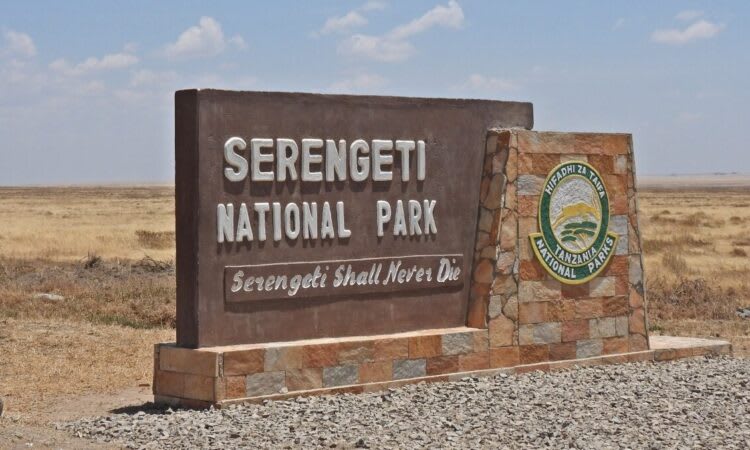
Serengeti National Park – Endless Plains Await
Serengeti National Park
Meals: Breakfast, Lunch, Dinner
Full Day Game Driver In Serengeti
Serengeti National Park
Meals: Breakfast, Lunch, Dinner
Ngorongoro Crater – Natural Wonder Awaits
Ngorongoro Crater
Meals: Breakfast, Lunch, Dinner
Tarangire National Park
Tarangire National Park
Meals: Breakfast
Year Round
Year-round
| Season | Solo traveler | 2 people | 3 – 4 people | 5 – 6 people | 7+ people | Child rate | Single suppl. |
|---|---|---|---|---|---|---|---|
Year Round Year-round | $4,480 | $1,720 | $2,690 | $2,540 | $2,390 | $2,090 | $900 |
Child rate applies to travelers under 12 years. Single supplement applies to solo travelers taking their own room.
The Serengeti is home to Africa's most iconic wildlife species. You can expect to see lions, elephants, zebras, wildebeest, buffalo, giraffes, leopards, cheetahs, and numerous antelope species including gazelles and impalas. The park is particularly famous for its predator-prey interactions, where you may witness hunts and natural behaviors in their raw form. The concentration of wildlife is exceptional, especially during the dry season when animals congregate around remaining water sources. Your professional guide will use their expertise to navigate prime game-viewing corridors, significantly increasing your chances of memorable wildlife encounters.
A 5-day safari itinerary is ideal for experiencing both the Serengeti and Ngorongoro Crater comprehensively. This duration allows for two full days of game drives in the Serengeti National Park, giving you ample time to explore different ecosystems and maximize wildlife sightings. The remaining time is dedicated to the Ngorongoro Crater, where you'll descend into this unique volcanic caldera for concentrated wildlife viewing. This timeframe strikes a balance between experiencing the vastness of the Serengeti and the focused wildlife viewing opportunities within the Ngorongoro's self-contained ecosystem.
The Ngorongoro Crater is a massive volcanic caldera and UNESCO World Heritage Site located in northern Tanzania. It's one of the largest intact calderas in the world, creating a self-contained ecosystem approximately 610 meters deep. What makes it exceptional for safari is its remarkable concentration of wildlife within a relatively compact area. Lions, rhinos, buffalo, elephants, and countless other species thrive within this natural amphitheater. The dramatic volcanic landscape provides a stunning backdrop for wildlife viewing, and the enclosed environment means animals are more predictable to locate compared to open savanna. It's often considered one of Africa's most unique and rewarding safari destinations.
The Serengeti offers excellent wildlife viewing year-round, but the best time depends on what you want to experience. The dry season from June to October is generally considered prime time, as animals congregate around remaining water sources, making them easier to spot. During this period, you may witness the famous predator-prey interactions on open grasslands. The wet season from November to May brings lush green landscapes and is excellent for birdwatching and seeing newborn calves. December to February offers particularly good wildlife viewing as animals disperse across the park to feed on fresh vegetation. Your guide will help you maximize sightings regardless of season by knowing where animals are most likely to be found.
For a Serengeti and Ngorongoro safari, pack neutral-colored clothing in earth tones (khaki, beige, green, brown) to avoid startling wildlife. Bring lightweight, breathable fabrics for warm days and a warm layer for cool mornings and evenings. Essential items include a wide-brimmed hat, high-SPF sunscreen, sunglasses, and a good camera or binoculars. Sturdy, closed-toe hiking boots are crucial for walking on uneven terrain. Pack any personal medications, toiletries, and a small first-aid kit. Bring a light rain jacket for the wet season. Since bottled water is provided during game drives, focus on packing clothes and personal items. Consider bringing a small daypack for your camera and personal items during game drives. Check with your operator about specific recommendations based on the season you're traveling.
Most international visitors require a visa to enter Tanzania. Visa requirements vary significantly depending on your nationality. Many countries can obtain a visa on arrival at the airport, while others must apply in advance through a Tanzanian embassy or consulate. Some nationalities enjoy visa-free or visa-on-arrival privileges. It's essential to check the current visa requirements for your specific country well before your travel date, as regulations can change. Your safari operator can provide guidance, but you should verify requirements through the official Tanzanian immigration website or your nearest Tanzanian embassy. Additionally, ensure your passport is valid for at least 6 months beyond your travel dates.
While specific vaccination requirements vary by individual health status and travel history, certain vaccinations are commonly recommended for Tanzania. Yellow fever vaccination is frequently advised, and proof of vaccination may be required depending on where you're traveling from. Malaria prophylaxis is typically recommended, as the Serengeti and Ngorongoro regions are in malaria-endemic areas. Consult with a travel medicine clinic or your healthcare provider at least 4-6 weeks before your trip to discuss vaccinations appropriate for your health profile and travel plans. They can advise on typhoid, hepatitis A and B, and other preventative measures. Your safari operator can provide information about health precautions, but medical professionals should guide your vaccination decisions.
Private 4x4 safari vehicles are essential for an optimal safari experience. They provide flexibility to follow wildlife movements at your own pace without being constrained by group schedules. The elevated seating position offers excellent visibility for spotting animals and photography. Modern safari vehicles are equipped for off-road travel, allowing guides to navigate varied terrain and access prime game-viewing areas. Having a dedicated vehicle means you can stop for as long as you wish to observe wildlife, ask questions, and capture photographs without rushing. Your professional English-speaking guide can communicate directly with other guides via radio to learn about recent wildlife sightings, positioning you strategically for the best encounters. The vehicle also provides protection and comfort during long game drives across the African savanna.
Professional safari guides are invaluable to your safari success. Their expertise in animal behavior, ecology, and park geography dramatically increases your chances of meaningful wildlife encounters. Guides use their extensive knowledge to predict where animals are likely to be found based on season, weather, and time of day. They possess exceptional tracking skills and can spot distant wildlife that untrained eyes would miss. Beyond wildlife, guides provide fascinating context about ecosystems, plant life, and conservation efforts. They communicate via radio networks with other guides to share real-time information about recent sightings. Most importantly, they ensure your safety while navigating the African wilderness. An experienced English-speaking guide transforms a safari from a casual game drive into an educational and deeply enriching wildlife experience.
A comprehensive safari package includes three meals daily—breakfast, lunch, and dinner—ensuring you're well-nourished throughout your adventure. Meals are designed to cater to various dietary preferences and typically feature a mix of international and local Tanzanian cuisine. Breakfast is usually served early before morning game drives, lunch is often enjoyed at a scenic location during the day, and dinner is provided at your accommodation in the evening. Accommodations range from comfortable lodges to tented camps, all strategically located to provide convenient access to prime game-viewing areas. Your specific accommodation will depend on your itinerary and the package level selected. All lodging, meals, and amenities are arranged as part of your package, allowing you to focus entirely on the safari experience without worrying about logistics or additional arrangements.
© 2026 SafariFind. All rights reserved.
