 1 / 91 / 9
Loading SafariFind...
1 / 9Arrival Kilimanjaro International Airport Transfer in Arusha
Arusha
Meals: Dinner
Tarangire National Park
Tarangire National Park
Meals: Breakfast, Lunch, Dinner
Serengeti National Park
Serengeti National Park
Meals: Breakfast, Lunch, Dinner
Serengrti National Park
Serengeti National Park
Meals: Breakfast, Lunch, Dinner
Ngorongoro Crater
Ngorongoro Crater
Meals: Breakfast
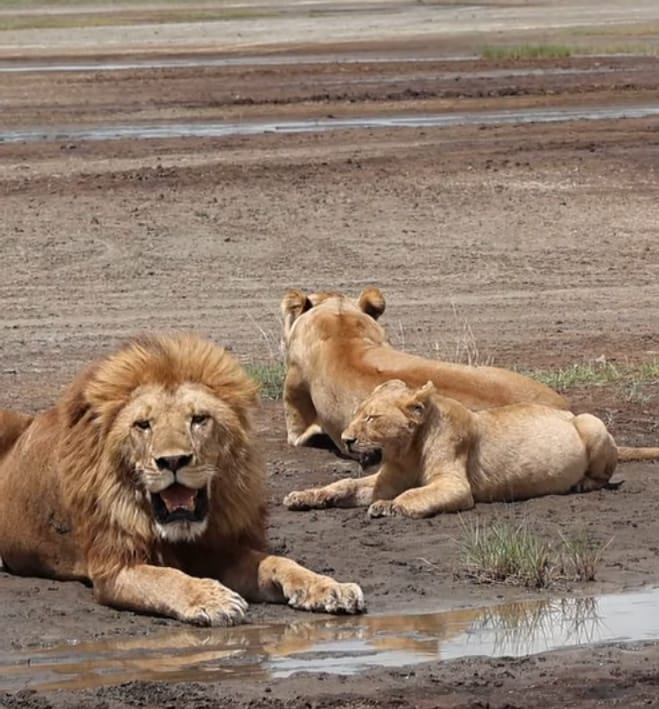
Northern Tanzania is home to an incredible variety of wildlife. In Tarangire National Park, you'll encounter large elephant herds, buffalo, zebras, giraffes, and various antelope species. The Ngorongoro Crater hosts a concentrated population of lions, leopards, hyenas, wildebeest, and zebras within its unique ecosystem. The Serengeti is famous for its massive wildebeest and zebra herds, along with predators like lions, cheetahs, and wild dogs. You may also spot warthogs, baboons, and numerous bird species throughout the region. The diversity of habitats—from acacia woodlands to volcanic crater floors to open plains—ensures encounters with different animal populations across the circuit.
The best time for a Northern Tanzania safari depends on what you want to experience. The dry season from June to October offers excellent wildlife viewing as animals gather around water sources, making them easier to spot. The Serengeti's dry season is particularly renowned for predator activity and large game concentrations. December to February is the short rainy season with lush landscapes and fewer tourists, ideal if you prefer solitude and want to see newborn animals. March to May is the long rainy season when the landscape is greenest but some roads become challenging. Most travelers prefer June to October for optimal game viewing and road conditions.
A 5-day safari is an excellent duration for experiencing Northern Tanzania's key destinations. This timeframe allows you to spend meaningful time in Tarangire National Park, explore the Ngorongoro Crater, and enjoy the vast Serengeti plains without feeling rushed. Five days provides enough flexibility for multiple game drives, varied landscapes, and a genuine connection with the region. While shorter 3-day safaris are possible, they offer limited exploration. Longer safaris of 7-10 days allow for deeper immersion and better chances of witnessing specific behaviors or rare sightings, but 5 days strikes an ideal balance between experience quality and practical travel planning.
Pack neutral-colored, lightweight clothing in earth tones (khaki, tan, green) to blend with the landscape and avoid disturbing wildlife. Include long-sleeved shirts and pants for sun protection and insect defense, especially at dawn and dusk. Bring a warm fleece or jacket for early morning game drives when it's cool. Essential items include a wide-brimmed hat, quality sunglasses, high SPF sunscreen, and insect repellent. Comfortable, sturdy closed-toe hiking boots are crucial for uneven terrain. Pack binoculars, a camera with extra batteries and memory cards, and a small daypack. Toiletries, medications, and any prescription glasses should be brought from home. Consider a lightweight rain jacket for the rainy seasons. Avoid bright colors, white, and blue, which can startle wildlife.
While specific vaccination requirements depend on your home country and current health conditions, certain vaccinations are commonly recommended for Tanzania. Yellow fever vaccination is frequently advised, particularly if you're arriving from countries where it's endemic. Malaria prophylaxis is strongly recommended for most regions of Northern Tanzania, as malaria is present year-round, though risk varies by season and altitude. Consult your doctor or a travel health clinic at least 4-6 weeks before your trip to receive personalized medical advice based on your health history and the specific regions you'll visit. They can recommend appropriate vaccinations and medications. Travel insurance that covers medical evacuation is also highly recommended. Always check current health advisories from your government's travel health authority before departure.
A comprehensive Northern Tanzania safari package typically includes comfortable upper-midrange accommodation throughout your journey, all national park entrance fees, three meals daily (breakfast, lunch, and dinner), transportation in a private 4x4 safari vehicle, and the services of a professional English-speaking guide. Bottled water is provided during game drives to keep you hydrated. Airport transfers are included for convenient arrival and departure. Government taxes and VAT are covered in the package price. However, international airfare, travel insurance, visa fees, alcoholic beverages, tips and gratuities for guides and staff, personal expenses, and optional activities are typically not included. Always confirm exact inclusions and exclusions with your safari operator before booking.
The cost of a 5-day Northern Tanzania safari varies based on several factors including accommodation quality, season of travel, group size, and the specific operator. Upper-midrange safari packages typically range from $2,500 to $4,500 per person, depending on these variables. Traveling during peak season (June-October) generally costs more than shoulder or low seasons. Larger groups often benefit from per-person discounts, while solo travelers may pay premium rates. Budget safaris start lower, while luxury experiences command higher prices. Additional costs to budget separately include international flights, travel insurance, visa fees, tips for guides and staff (typically 10-15% of total cost), alcoholic beverages, and any optional activities. Request detailed quotes from multiple operators to compare value and inclusions.
A private safari vehicle is highly recommended for the best experience and is included in most quality safari packages. Private vehicles offer several advantages: you control the itinerary and can spend as much time as you want observing wildlife, your guide can position the vehicle optimally for photography and viewing, and you have flexibility to stop whenever something interesting appears. Private vehicles are more comfortable for longer days, and you won't be crowded with other tourists. Shared vehicle safaris are budget alternatives but limit flexibility and can be uncomfortable if the vehicle is full. For a 5-day Northern Tanzania circuit covering multiple parks, a private 4x4 vehicle with a professional guide is essential for accessing remote areas, navigating varied terrain, and maximizing wildlife encounters.
The Ngorongoro Crater is a UNESCO World Heritage Site and one of Africa's most remarkable natural wonders. Formed by a volcanic collapse approximately 2-3 million years ago, it's the world's largest intact caldera with a floor spanning roughly 260 square kilometers. The crater creates a unique, self-contained ecosystem where wildlife is concentrated in a relatively small area, making it exceptional for game viewing. You'll find lions, leopards, buffalo, zebras, wildebeest, hippos, and numerous bird species within the crater. The dramatic landscape—with steep volcanic walls rising 600 meters—provides stunning scenery and excellent photography opportunities. The crater's isolation has allowed unique animal behaviors and adaptations to develop. A safari to the Ngorongoro Crater offers the rare experience of descending into this natural amphitheater for an unforgettable day of wildlife viewing in a truly spectacular setting.
Yes, you can potentially witness the Great Migration on a Northern Tanzania safari, particularly if you travel during the right season. The Great Migration is the annual movement of approximately 1.5 million wildebeest, zebras, and other herbivores between the Serengeti in Tanzania and the Masai Mara in Kenya. In the Serengeti portion of Northern Tanzania, the migration's timing varies: typically, the herds are in the northern Serengeti from May to July, moving south to the central and southern plains from August to November. A 5-day safari that includes Serengeti time during these months offers good chances of encountering large herds, though specific sightings are never guaranteed as wildlife movements depend on rainfall patterns. The migration is most dramatic during river crossings in June-July. For the best odds of witnessing this natural spectacle, book during the peak migration months and discuss timing with your safari operator.
© 2026 SafariFind. All rights reserved.