 1 / 5
1 / 5 14 daysPrivate
14-Day Thrilling Safari In Kenya And Diani Beach Tour
by
Loading SafariFind...
1 / 5by
SafariFind app
Keep up with your inquiries and bookings, and message operators wherever you are.

Arrival In Kenya | Transfer To Hotel In Nairobi
Nairobi
Meals: Lunch, Dinner
Travel To Samburu National Reserve | Evening Game Drive
Samburu National Reserve
Meals: Breakfast, Lunch, Dinner
Guided Nature Walking Safari | Evening Game Drive
Samburu National Reserve
Meals: Breakfast, Lunch, Dinner
Transfer To Lake Nakuru National Park | Evening Game Drive
Lake Nakuru National Park
Meals: Breakfast, Lunch, Dinner
Travel To Maasai Mara National Reserve | Maasai Cultural Visit | Evening Game Drive
Masai Mara National Reserve
Meals: Breakfast, Lunch, Dinner
Optional Hot Air Balloon Safari At 485 USD Per Person | Full Day Game Drive
Masai Mara National Reserve
Meals: Breakfast, Lunch, Dinner
Transfer To Ol Pejeta Conservancy | Evening Game Drive
Ol Pejeta Conservancy
Meals: Breakfast, Lunch, Dinner
Transfer To Amboseli National Park | Evening Game Drive
Amboseli National Park
Meals: Breakfast, Lunch, Dinner
Full-Day Game Drive In Amboseli National Park
Amboseli National Park
Meals: Breakfast, Lunch, Dinner
Travel To Tsavo West National Park | Evening Game Drive
Tsavo West National Park
Meals: Breakfast, Lunch, Dinner
Morning Game Drive In Tsavo West National Park | Travel To Tsavo East National Park | Evening Game Drive
Tsavo East National Park
Meals: Breakfast, Lunch, Dinner
Morning Game Drive In Tsavo West | Travel To Diani Beach | Relaxing
Diani Beach
Meals: Breakfast, Lunch, Dinner
Explore Diani Beach | Relaxing
Diani Beach
Meals: Breakfast, Lunch, Dinner
The Last Day With Us | Transfer To The Airport | Fly Back Home
Moi International Airport
Meals: Breakfast, Lunch
Year Round
Year-round
| Season | Solo traveller | 2 people | 3 – 4 people | 5 – 6 people | 7+ people | Child rate | Single suppl. |
|---|---|---|---|---|---|---|---|
Year Round Year-round | $7,280 | $5,200 | $4,680 | $4,420 | $4,160 | $3,640 | $1,560 |
Child rate applies to travelers under 12 years. Single supplement applies to solo travelers taking their own room.
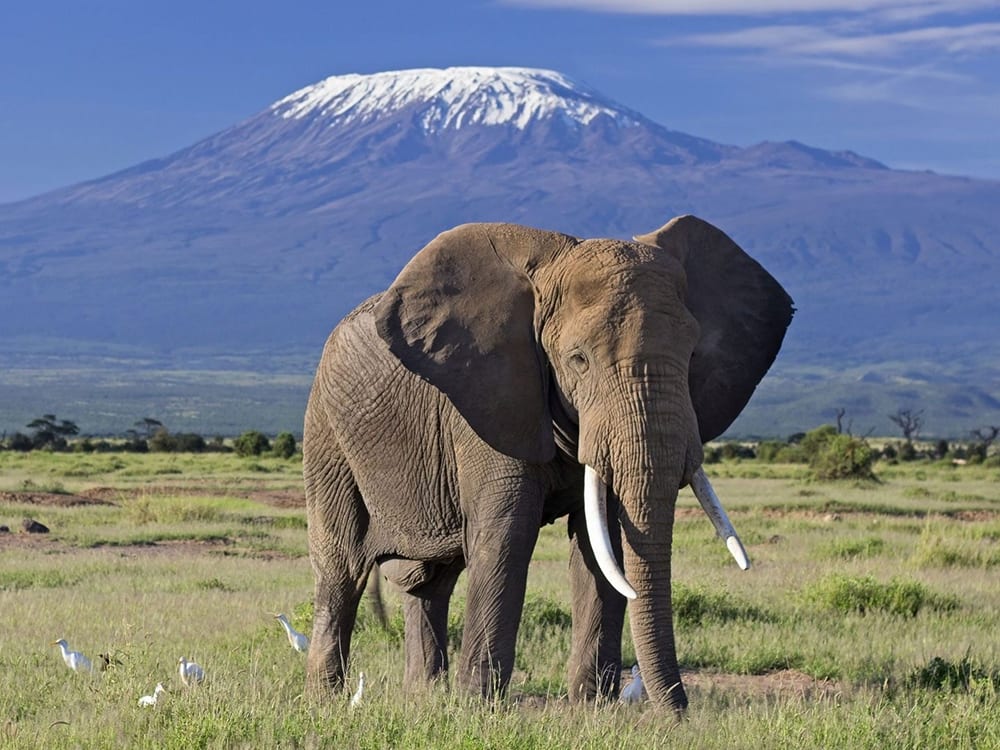
Kenya offers exceptional wildlife viewing opportunities across multiple ecosystems. You can encounter the Big Five (lion, leopard, elephant, buffalo, and rhinoceros) in parks like the Masai Mara and Ol Pejeta Conservancy. Samburu National Reserve is known for unique species like grevy's zebra, reticulated giraffe, and gerenuk. Lake Nakuru is famous for flamingos and rhinos, while Amboseli National Park provides outstanding elephant sightings with Mount Kilimanjaro as a backdrop. Tsavo East and Tsavo West host diverse wildlife including lions, leopards, buffalo, zebras, giraffes, and numerous bird species. The variety of habitats ensures you'll see different animals across your journey.
Kenya offers excellent safari opportunities year-round, but timing depends on what you want to experience. The dry seasons—June to October and January to February—provide the best game viewing as animals congregate around water sources and vegetation is sparse, making wildlife easier to spot. July to October is peak season for the Great Migration in the Masai Mara. The rainy seasons (March to May and November to December) offer lush landscapes, fewer crowds, and excellent bird watching. Consider your budget and preferences: dry season offers peak wildlife viewing, while shoulder seasons provide a balance of good conditions and fewer tourists.
A 14-day safari in Kenya provides an ideal duration to experience multiple ecosystems and wildlife reserves without feeling rushed. This timeframe allows you to spend several days in major parks like the Masai Mara and Tsavo, visit specialized reserves like Samburu and Ol Pejeta, explore unique destinations like Lake Nakuru and Amboseli, and conclude with beach relaxation. Shorter safaris (3-5 days) work for focused experiences in one or two parks, while 7-10 days allows deeper exploration. Fourteen days is perfect for comprehensive Kenya experiences that combine diverse wildlife viewing with cultural immersion and coastal relaxation.
Pack neutral-colored, lightweight clothing for game drives—earth tones like khaki, tan, and olive green help you blend into the landscape. Bring layers as early mornings and evenings can be cool, especially at higher elevations. Essential items include a wide-brimmed hat, sunglasses, high-SPF sunscreen, and insect repellent. Comfortable walking shoes and sturdy boots are crucial for uneven terrain. Pack binoculars for wildlife viewing, a camera with extra batteries and memory cards, and any prescribed medications. For beach portions, bring swimwear, light dresses or shirts, and reef-safe sunscreen. Don't forget toiletries, though many lodges provide basics. Check your operator's specific recommendations regarding malaria prophylaxis and travel vaccinations.
Kenya is generally safe for tourists when you follow standard travel precautions and use reputable operators. Safari parks are well-managed with experienced guides trained in wildlife safety and emergency protocols. The main safety considerations involve respecting wildlife—never approaching animals on foot and following your guide's instructions. Urban areas require standard city awareness, but most safari lodges and camps are secure compounds. It's advisable to check current travel advisories from your government, purchase comprehensive travel insurance, and avoid traveling alone in unfamiliar areas. Professional safari operators prioritize guest safety and provide detailed briefings. Millions of tourists safely enjoy Kenya safaris annually by using common sense and trusting experienced local guides.
Visa requirements for Kenya depend on your nationality. Most visitors can obtain an e-visa online through the official Kenya immigration portal, which is convenient and typically processed within days. Some nationalities receive visa-free entry for short stays, while others require a traditional visa obtained at an embassy or consulate. Your passport must be valid for at least six months beyond your travel dates. It's essential to check the official Kenya Immigration Service website or contact your nearest Kenyan embassy for your specific nationality requirements well in advance of your trip. Your safari operator can also provide guidance on visa processes.
Yellow fever vaccination is recommended for most travelers visiting Kenya and may be required depending on your itinerary and home country. Malaria is present in certain regions, particularly lower-altitude areas like coastal zones and Tsavo parks, so antimalarial medication is typically advised—consult your doctor about prophylaxis options. Routine vaccinations (MMR, tetanus, etc.) should be current. Typhoid and hepatitis A vaccinations are often recommended. The specific health recommendations depend on your medical history, the exact areas you'll visit, and current disease prevalence. Schedule a consultation with a travel health clinic 4-6 weeks before departure to receive personalized medical advice and prescriptions for your Kenya safari.
Kenya safari costs vary significantly based on duration, accommodation quality, season, and included services. Budget safaris offer excellent value, with 14-day packages combining multiple parks, professional guides, meals, and accommodations at competitive prices. Budget options typically range from $2,000-$4,000 per person for 14 days, while mid-range safaris cost $4,000-$8,000, and luxury experiences exceed $8,000. Peak season (July-October) is more expensive than shoulder seasons. Costs usually include park fees, accommodation, meals, guides, and transfers, but international flights, travel insurance, visas, and tips are typically extra. Booking directly with operators or during shoulder seasons can offer better value. Request detailed quotes specifying what's included to compare accurately.
Tsavo East and Tsavo West are two distinct sections of Kenya's largest national park, each offering unique characteristics. Tsavo East is vast, arid, and known for its red volcanic soil, large elephant populations, and diverse wildlife across open plains. It's less developed with fewer lodges, offering a more remote safari experience. Tsavo West is more scenic with volcanic hills, lava flows, and the Mzima Springs—a freshwater spring where you can observe hippos and crocodiles underwater. Tsavo West has better infrastructure and more wildlife concentration in certain areas. Both parks are excellent for game viewing, but Tsavo West offers more scenic variety and accessibility, while Tsavo East provides a wilder, more adventurous experience. Visiting both provides comprehensive understanding of Kenya's diverse ecosystems.
Yes, Mount Kilimanjaro is one of Amboseli National Park's most iconic features and is visible from many locations within the park. The snow-capped peak of Africa's highest mountain (19,341 feet) creates a stunning backdrop, particularly during early morning game drives when atmospheric conditions are clearest. The mountain's visibility depends on weather and cloud cover—dry seasons offer the best views. Amboseli is located on the Kenya-Tanzania border, and while Kilimanjaro is in Tanzania, it dominates the landscape from the Kenyan side. The combination of abundant elephants roaming beneath this magnificent mountain creates one of Africa's most photographed and memorable safari scenes. Early starts and clear weather maximize your chances of capturing perfect views.
Diani Beach offers the perfect complement to an intense safari experience, providing relaxation and coastal beauty. Located on Kenya's south coast, it features pristine white-sand beaches, crystal-clear turquoise waters, and abundant coral reefs ideal for snorkeling. The laid-back atmosphere allows you to decompress after days of game drives and wildlife viewing. Diani offers excellent water activities including swimming, diving, and water sports, plus fresh seafood and beachfront dining. The tropical setting with swaying palm trees creates a peaceful environment for rejuvenation. Many travelers appreciate the cultural contrast—transitioning from wildlife reserves to coastal village life. The warm climate, natural beauty, and accessible amenities make Diani an ideal beach extension that rounds out a comprehensive Kenyan adventure, combining wildlife, culture, and tropical relaxation into one memorable journey.
© 2026 SafariFind. All rights reserved.