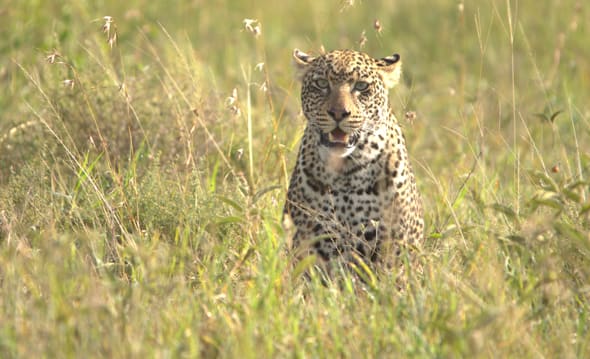
 1 / 10
 6 daysPrivate
6-Day Best Value Northern Circuit Safari
by
Loading SafariFind...
1 / 10by
Arrival in Arusha
Arusha/Kilimanjaro Airport
Meals: Breakfast
Arusha to Tarangire National Park
Tarangire National Park
Meals: Breakfast, Lunch, Dinner
Depart to Serengeti National Park
Serengeti National Park
Meals: Breakfast, Lunch, Dinner
Serengeti Full day game drives
Central Serengeti National Park
Meals: Breakfast, Lunch, Dinner
Ngorongoro Crater
Ngorongoro Crater
Meals: Breakfast, Lunch, Dinner
Lake Manyara National Park to Arusha (Departure)
Lake Manyara National Park
Meals: Breakfast, Lunch
Peak Season
Jun 2026 – Oct 2026
Shoulder Season
Nov 2026 – Nov 2026
Peak Season 2
Dec 2026 – Mar 2027
| Season | Solo traveller | 2 people | 3 – 4 people | 5 – 6 people | 7+ people | Child rate | Single suppl. |
|---|---|---|---|---|---|---|---|
Peak Season Jun 2026 – Oct 2026 | $3,100 | $2,100 | $1,740 | $1,600 | $1,500 | $1,200 | $250 |
Shoulder Season Nov 2026 – Nov 2026 | $3,050 | $2,050 |
Child rate applies to travelers under 12 years. Single supplement applies to solo travelers taking their own room.
Tanzania's Northern Circuit offers exceptional wildlife viewing opportunities across multiple ecosystems. In Tarangire National Park, you'll encounter some of East Africa's largest elephant herds, along with lions, giraffes, zebras, and numerous other species. The Serengeti National Park is famous for its incredible concentration of wildlife, including lions, cheetahs, elephants, giraffes, buffalo, and wildebeest. The Ngorongoro Crater provides dense concentrations of wildlife in a compact area, including the rare black rhino, which is difficult to spot elsewhere. Lake Manyara National Park is known for its tree-climbing lions, diverse birdlife, and aquatic species. The variety of habitats—from open plains to forests and crater floors—means you'll have opportunities to see a wide range of African wildlife during your journey.
Absolutely. The Ngorongoro Crater is a UNESCO World Heritage Site and one of Africa's most remarkable natural wonders, making it an essential destination on any Northern Circuit safari. The crater floor is home to dense concentrations of wildlife, including some of the continent's highest predator densities. Its unique ecosystem supports an impressive variety of animals in a relatively compact area, making wildlife viewing particularly rewarding. The dramatic landscape—a massive caldera with steep walls and a fertile floor—creates unforgettable scenery. Descending to the crater floor for a game drive is a truly unique safari experience that combines extraordinary wildlife encounters with breathtaking natural beauty.
The best time for a Tanzania safari depends on what you want to experience. The dry season from June to October offers the most reliable wildlife viewing, as animals congregate around water sources and vegetation is sparse, making them easier to spot. This period also features the famous Serengeti Migration, where millions of wildebeest and zebras move across the plains. The dry season from January to February is another excellent time, with cooler temperatures and good wildlife viewing. The wet season (November to May) is less popular for safaris but offers lush landscapes, fewer tourists, and lower prices. During this period, wildlife is more dispersed, making sightings less predictable. Consider your priorities—whether you prefer maximum wildlife encounters, lower costs, or fewer crowds—when planning your visit.
A 6-day safari is an ideal duration for experiencing Tanzania's Northern Circuit comprehensively. This timeframe allows you to spend meaningful time in all four major destinations—Tarangire National Park, Serengeti National Park, Ngorongoro Crater, and Lake Manyara National Park—without feeling rushed. Six days provides sufficient time for multiple game drives in each location, increasing your chances of wildlife encounters and allowing you to experience the unique characteristics of each ecosystem. While shorter safaris (3-4 days) are possible and focus on fewer parks, a 6-day journey gives you the best value and the most complete Northern Circuit experience, balancing travel time with quality wildlife viewing opportunities.
Packing for a Tanzania safari requires preparation for varied climates and outdoor conditions. Bring lightweight, neutral-colored clothing in earth tones (khaki, tan, green, brown) that blend with the landscape and don't attract insects. Pack long-sleeved shirts and long pants for sun protection and insect defense, along with a warm layer for early morning and evening game drives when temperatures drop. Essential items include a wide-brimmed hat, sunglasses, high-SPF sunscreen, insect repellent (especially for malaria prevention), and a basic first-aid kit. Bring sturdy, closed-toe hiking boots for walking and uneven terrain. Other important items include binoculars for wildlife viewing, a camera with extra batteries and memory cards, toiletries, medications, and a reusable water bottle. Check with your operator about specific recommendations, as weather and conditions can vary by season. Don't forget travel documents, travel insurance, and any required vaccinations or medications.
Visa requirements for Tanzania depend on your nationality. Many countries' citizens can obtain a visa on arrival at Tanzanian airports, while others must apply in advance through a Tanzanian embassy or online. Some nationalities qualify for visa-free entry for short stays. It's essential to check the current visa requirements for your specific country well before your trip, as regulations can change. Visit the official Tanzanian government immigration website or contact your nearest Tanzanian embassy for the most accurate and up-to-date information. Additionally, ensure your passport is valid for at least six months beyond your intended stay. Starting the visa process early prevents travel delays and ensures a smooth journey to your safari destination.
Before traveling to Tanzania for a safari, consult with a travel health clinic or your doctor at least 4-6 weeks before departure. Malaria is present in Tanzania, so antimalarial medication is typically recommended; your doctor will advise on the best option for your health profile. Vaccinations for yellow fever, typhoid, and routine immunizations (hepatitis A and B, tetanus) are commonly advised. Ensure your routine vaccinations are up to date. During your safari, take preventive measures against malaria, including using insect repellent containing DEET, wearing long sleeves and pants during dawn and dusk when mosquitoes are active, and sleeping under mosquito nets if provided. Drink only bottled or purified water, practice good food hygiene, and maintain proper sanitation. Travel insurance that covers medical evacuation is highly recommended, especially for remote safari areas. Check with official health authorities like the CDC or WHO for the most current health recommendations for Tanzania.
A comprehensive Northern Circuit safari package typically includes all park entrance fees for the destinations you visit, professional safari guides with expertise in wildlife and the landscape, accommodation throughout your journey, all game drives as scheduled, airport transfers for convenient transportation, meals as indicated in your itinerary, and drinking water in the vehicle during game drives. Many packages also include flying doctors evacuation cover for emergency medical situations in remote areas. However, packages generally do not include international flights, visa fees, travel insurance, tips and gratuities for guides and staff, personal expenses, or alcoholic beverages. Review your specific package details to understand exactly what's covered, and budget separately for items not included. This transparency helps you plan your overall safari costs accurately and avoid unexpected expenses during your trip.
Yes, Lake Manyara National Park is genuinely famous for its tree-climbing lions, a behavior that makes them unique among African lion populations. These lions climb acacia trees to rest, escape insects, and sometimes hunt from elevated positions. While tree-climbing lions have been documented in other parts of Africa, the population in Lake Manyara is particularly well-known and frequently observed by visitors. The reasons for this behavior are still debated by wildlife experts—some suggest it's a learned behavior specific to this population, while others point to environmental factors. Seeing a tree-climbing lion is a memorable and unusual wildlife experience that sets Lake Manyara apart from other safari destinations. However, sightings are never guaranteed, as lions are wild animals with unpredictable movements. Your professional safari guide will use their knowledge and experience to maximize your chances of encountering these remarkable cats during your visit.
Most international visitors fly to Tanzania, with the primary international gateway being Julius Nyerere International Airport (formerly Dar es Salaam International Airport) in Dar es Salaam. Some visitors also fly into Kilimanjaro International Airport near Mount Kilimanjaro, which serves the northern regions. From these major airports, you'll typically connect to smaller regional airstrips or drive to your safari destinations. Many safari packages include airport transfers, so you'll be met and transported to your accommodation or onward flights. Domestic flights connect major towns like Arusha to the Northern Circuit parks, reducing travel time. Alternatively, some travelers drive from Arusha, the main hub for Northern Circuit safaris, though this takes longer. Check flight options from your home country well in advance, as international flights to Tanzania are not always direct. Book your flights separately from your safari package unless your operator offers flight packages, and ensure your passport is valid for at least six months beyond your stay.
 Africa's Wild WondersArusha, Tanzania
© 2026 SafariFind. All rights reserved.

| $1,700 |
| $1,550 |
| $1,450 |
| $1,100 |
| $250 |
Peak Season 2 Dec 2026 – Mar 2027 | $3,150 | $2,150 | $1,800 | $1,650 | $1,550 | $1,200 | $300 |