 1 / 4
1 / 4 6 daysprivate
6-Day Honeymoon Safari Tanzania
by
Highlights
- Romantic safari experience for couples
Loading SafariFind...
1 / 4by
Arrival in Arusha
Tarangire National Park
Meals: Dinner
Arusha to Tarangire National Park
Karatu
Meals: Breakfast, Lunch, Dinner
Karatu to Serengeti National Park
Serengeti National Park
Meals: Breakfast, Lunch, Dinner
Full Day Safari in Serengeti
Serengeti National Park
Meals: Breakfast, Lunch, Dinner
Serengeti to Ngorongoro Conservation Area
Ngorongoro Crater
Meals: Breakfast, Lunch, Dinner
Ngorongoro Crater & Return to Arusha
Arusha City
Meals: Breakfast
Year Round
Year-round
| Season | 2 people |
|---|---|
Year Round Year-round | $5,000 |
Tanzania's Tarangire National Park and Serengeti National Park are home to exceptional wildlife diversity. You can expect to see the Big Five—lions, elephants, buffalo, leopards, and rhinoceros—along with zebras, giraffes, wildebeest, gazelles, hyenas, and numerous bird species. Tarangire is particularly famous for its large elephant herds, especially during the dry season when animals congregate around the Tarangire River. The Serengeti offers endless plains teeming with predators and prey, making it one of Africa's premier wildlife viewing destinations. The Ngorongoro Crater, included in a Tanzania safari, is a UNESCO World Heritage Site and natural wonder where you can spot an incredible concentration of wildlife in a compact volcanic caldera.
Tanzania has two main safari seasons. The dry season from June to October is considered the best time for wildlife viewing, as animals gather around water sources, making them easier to spot. During this period, vegetation is sparse, offering excellent visibility. The wet season from November to May brings lush landscapes and fewer tourists, with excellent bird watching opportunities. December to February offers the best combination of good weather and wildlife viewing, while July to September is peak season with the most dramatic wildlife action. The choice depends on your priorities—if you want maximum wildlife encounters, visit during the dry season; if you prefer fewer crowds and green landscapes, consider the shoulder months of May-June or October-November.
Pack neutral-colored, breathable clothing in earth tones (khaki, tan, olive green) to blend in with the landscape—avoid bright colors that may startle wildlife. Bring layers, as mornings and evenings can be cool, especially in higher elevations like the Ngorongoro Crater. Essential items include a wide-brimmed hat, high-SPF sunscreen, sunglasses, and insect repellent. Comfortable, sturdy walking shoes are crucial for lodge activities and optional nature walks. Bring a good camera with extra batteries and memory cards, as wildlife photography opportunities are abundant. Don't forget binoculars for bird watching and a light rain jacket for the wet season. Personal medications, toiletries, and any required malaria prophylaxis should also be included. Most safari lodges provide basic amenities, but check your accommodation details for specifics.
Tanzania is generally considered safe for tourists, and safari travel is a well-established industry with strong safety protocols. The northern safari circuit—including Tarangire, Serengeti, and Ngorongoro—is particularly well-developed and secure, with experienced guides, established lodges, and regular tourist traffic. Professional safari operators follow strict safety procedures during game drives and lodge activities. However, it's wise to take standard travel precautions: avoid displaying valuables, be cautious in urban areas outside your safari itinerary, and follow your guide's instructions during wildlife encounters. Travel insurance is highly recommended to cover medical emergencies and trip disruptions. Check current travel advisories from your government before booking, and consult with a travel health clinic about recommended vaccinations and malaria prevention.
Visa requirements for Tanzania depend on your nationality. Many countries' citizens can obtain a visa on arrival at Julius Nyerere International Airport in Dar es Salaam or apply for an e-visa online before travel. However, requirements vary significantly by country. Citizens of some nations may be eligible for visa-free entry for short periods. It's essential to check the official Tanzanian immigration website or contact your nearest Tanzanian embassy or consulate well in advance of your trip to confirm your specific requirements. Ensure your passport is valid for at least six months beyond your intended stay. Processing times for visas can vary, so apply early to avoid any travel delays.
The cost of a Tanzania honeymoon safari varies depending on the season, accommodation level, and specific inclusions. Budget options start around $2,000-3,500 per person for a 6-day safari, while mid-range packages typically range from $3,500-6,000 per person. Luxury honeymoon safaris can exceed $6,000-10,000+ per person. A 6-day itinerary covering Tarangire, Serengeti, and Ngorongoro Crater generally falls in the mid to upper-mid range. Most packages include park fees, accommodation, meals, game drives, and a professional guide, but exclude international flights, travel insurance, and personal expenses. Booking during the shoulder season (May-June or October-November) often provides better value than peak season. Always request a detailed breakdown of inclusions and exclusions to understand what's covered and plan your budget accordingly.
The Ngorongoro Crater is a UNESCO World Heritage Site and one of Africa's most remarkable natural wonders. Formed by a volcanic explosion approximately 2.5 million years ago, it's the world's largest intact volcanic caldera, spanning about 19 kilometers across and descending 600 meters to the crater floor. What makes it exceptional for safari is the incredible concentration of wildlife in a relatively compact area. The crater floor supports around 25,000 large animals, including lions, elephants, buffalo, zebras, wildebeest, and hippos. The variety of ecosystems—from grasslands to forests to soda lakes—supports diverse wildlife and bird species. Unlike other safari destinations where you must drive vast distances to spot animals, the Ngorongoro Crater's enclosed environment makes wildlife viewing highly productive. The dramatic landscape, with its steep walls and scenic vistas, also offers stunning photography opportunities. A crater visit is an unforgettable experience that combines world-class wildlife viewing with geological significance.
A minimum of 4-5 days is needed to see substantial wildlife and experience Tanzania's major destinations meaningfully. However, a 6-day safari is considered ideal for a comprehensive experience covering multiple parks. This duration allows adequate time in each location—typically 2 days in Tarangire, 2-3 days in Serengeti, and 1 day in Ngorongoro Crater—providing multiple game drive opportunities and increasing wildlife sighting chances. Longer safaris (7+ days) allow for more leisurely exploration, additional activities, and greater flexibility if weather affects game drives. A 6-day itinerary balances wildlife viewing opportunities with practical travel logistics, including airport transfers and acclimatization time. Most experienced safari operators recommend a minimum of 5 days for the northern circuit to maximize your chances of seeing the Big Five and experiencing the full diversity of Tanzania's ecosystems.
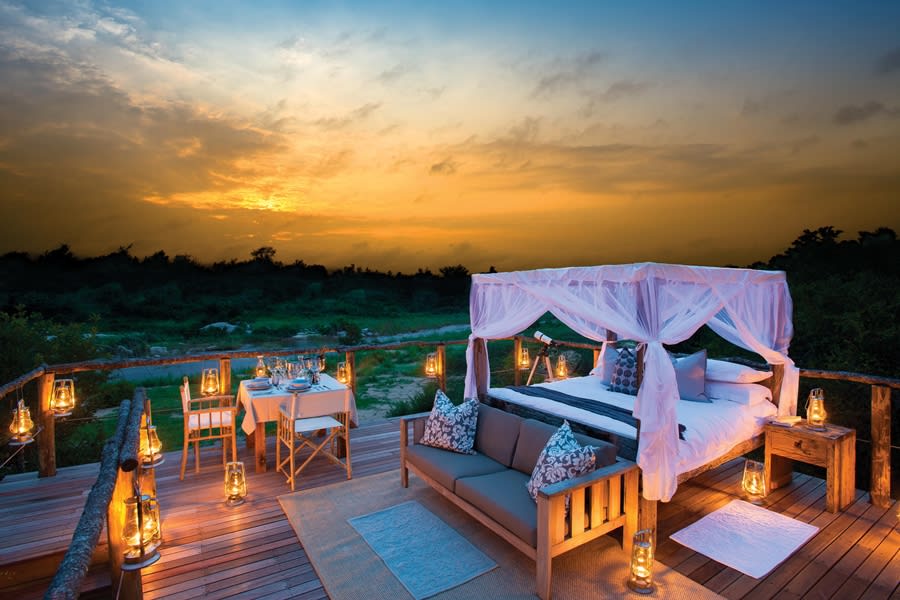
A Tanzania honeymoon safari combines thrilling wildlife encounters with intimate moments in one of Africa's most stunning settings. The experience includes private game drives in a dedicated 4x4 vehicle, allowing couples to enjoy wildlife viewing at their own pace without sharing with strangers. Luxury lodge and tented camp accommodations offer comfort and romance, often featuring private decks or terraces overlooking the African landscape. Many lodges provide candlelit dinners under the stars, creating unforgettable romantic moments. The Serengeti's vast golden plains and dramatic sunsets, combined with the Ngorongoro Crater's breathtaking scenery, provide spectacular backdrops for couples seeking adventure and natural beauty together. Early morning game drives and sunset excursions offer peaceful, intimate times to connect while surrounded by wildlife and pristine nature. The combination of adventure, luxury, natural beauty, and personalized service makes Tanzania an exceptional honeymoon destination that creates lasting memories.
A comprehensive Tanzania safari package typically includes park entrance fees, professional English-speaking guides, private 4x4 safari vehicle transportation, accommodation in lodges and tented camps, all meals as specified in the itinerary, bottled drinking water during game drives, airport transfers, government taxes, and crater service fees. These inclusions cover the core safari experience and logistics. However, several costs are usually excluded: international flights, visa fees, travel insurance, personal expenses, alcoholic and premium beverages, optional activities (such as hot air balloon rides or cultural visits), and gratuities for guides and lodge staff. Some packages may also exclude activities like nature walks or visits to local communities. It's crucial to request a detailed breakdown of inclusions and exclusions when booking to understand exactly what's covered and budget for additional expenses. Travel insurance is highly recommended but typically not included and should be purchased separately.
 Elia SafarisArusha, Tanzania5.0(8 reviews)
© 2026 SafariFind. All rights reserved.
