 1 / 9
1 / 9 6 daysshared
Loading SafariFind...
1 / 9Arrival In Arusha
Arusha
Meals: Dinner
Tarangire National Park
Tarangire National Park
Meals: Breakfast, Lunch, Dinner
Serengeti National Park
Serengeti National Park
Meals: Breakfast, Lunch, Dinner
Serengeti National Park
Serengeti National Park
Meals: Breakfast, Lunch, Dinner
Ngorongoro Crater
Ngorongoro Crater
Meals: Breakfast, Lunch, Dinner
Lake Manyara National Park
Lake Manyara National Park
Meals: Breakfast
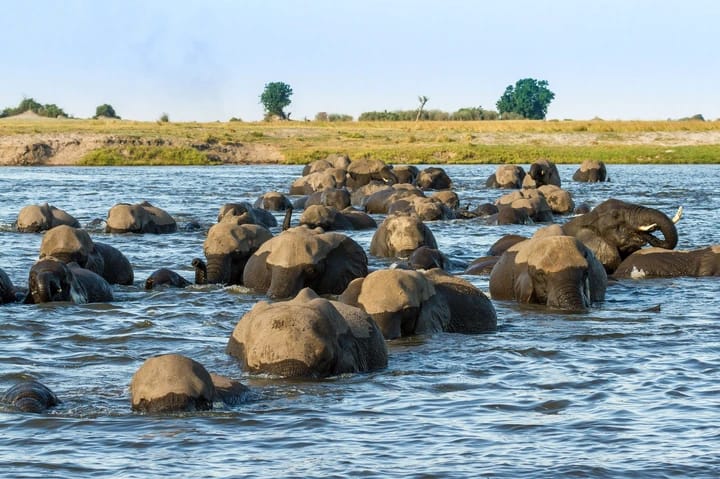
The Serengeti is home to Africa's most diverse wildlife populations, including the Big Five: lions, elephants, buffalo, leopards, and rhinoceros. You'll also encounter zebras, wildebeest, giraffes, hyenas, cheetahs, and numerous antelope species. During the dry season (June to October), the Great Migration brings millions of wildebeest and zebras across the plains, creating one of nature's most spectacular events. Birdwatchers will appreciate over 500 bird species found throughout the park.
Northern Tanzania offers excellent game viewing year-round, but the best times depend on what you want to experience. The dry seasons—June to October (long dry season) and January to February (short dry season)—offer the best wildlife viewing as animals congregate around water sources. If you want to witness the Great Migration in the Serengeti, visit between June and October when massive herds move through the plains. The wet season (November to May) features lush landscapes, fewer tourists, and excellent birdwatching, though some roads may be challenging.
The Ngorongoro Crater is a UNESCO World Heritage Site and one of Africa's most unique ecosystems. Formed by a collapsed volcano, this natural amphitheater covers 8,292 square kilometers and contains one of the highest concentrations of wildlife per square kilometer on the continent. The crater floor hosts an estimated 25,000 large animals, including lions, elephants, buffalo, zebras, and wildebeest, all contained within the volcanic walls. The stunning landscape and accessibility of wildlife make it an unforgettable safari destination, and it's often called the 'Eighth Wonder of the World.'
Yes, tree-climbing lions are a distinctive feature of Lake Manyara National Park in northern Tanzania. While lions throughout Africa occasionally climb trees to escape insects or for a better vantage point, the lions of Lake Manyara are particularly famous for spending considerable time in the park's acacia trees. Scientists believe they may do this to escape the heat, avoid biting insects, or rest during the day. Observing these remarkable big cats in their arboreal habitat is a unique experience and one of the highlights of visiting Lake Manyara.
A 6-day safari is ideal for experiencing the major highlights of northern Tanzania comprehensively. This duration allows you to spend meaningful time in multiple parks—typically Tarangire, Serengeti (with two full days for game drives), Ngorongoro Crater, and Lake Manyara—rather than rushing through each destination. With 6 days, you'll have sufficient time for multiple game drives, increasing your chances of wildlife encounters and allowing you to experience the varied landscapes and ecosystems. Shorter safaris of 3-4 days are possible but more limited, while longer safaris of 7+ days allow for deeper exploration and relaxation.
Pack neutral-colored, lightweight clothing in earth tones (khaki, tan, green, brown) as bright colors can disturb wildlife. Bring layers for early morning and evening game drives when it's cooler. Essential items include a wide-brimmed hat, high SPF sunscreen, sunglasses, and insect repellent. Wear sturdy, closed-toe hiking boots or safari shoes for comfort and protection. Pack binoculars for wildlife viewing, a camera with extra batteries and memory cards, and a small daypack. Include personal medications, toiletries, and any prescription items. Consider a lightweight rain jacket for the wet season. Bring a headlamp or flashlight for evening use. Check with your tour operator for specific recommendations based on the season of travel.
Vaccinations are highly recommended for travel to Tanzania. Yellow fever vaccination is often required, especially if you're arriving from other African countries, and proof may be needed for entry. Consult your healthcare provider at least 4-6 weeks before travel to discuss vaccinations for diseases such as typhoid, hepatitis A and B, and tetanus. Malaria prophylaxis is strongly recommended, as malaria is present in Tanzania, particularly in lower-altitude areas like the parks. Your doctor can advise on the best antimalarial medication for your trip. Additionally, ensure routine vaccinations are up to date. Always check current health advisories from your government's health authority before traveling.
The Great Migration is one of the world's most spectacular natural events, involving the movement of approximately 1.5 to 2 million wildebeest, zebras, and other herbivores across the Serengeti ecosystem in Tanzania and the Masai Mara in Kenya. This annual cycle follows the rains: animals move from the southern Serengeti (January-March) to the western corridor (April-June), then northward to Kenya (July-October), and finally return south. The migration is driven by the search for fresh grazing and water. Witnessing the river crossings, where massive herds brave crocodile-infested waters, is considered one of Africa's most dramatic wildlife spectacles. The best time to see the migration in Tanzania is June to October.
Safari costs in Tanzania vary widely depending on accommodation quality, group size, and season. A 6-day safari typically ranges from $2,000 to $5,000+ per person, including park fees, accommodation, meals, and guiding. Budget safaris with basic accommodation may cost less, while luxury lodges and exclusive experiences command premium prices. Low season (wet season) often offers better rates than peak season. Park entrance fees are a significant component, with Serengeti and Ngorongoro being among the more expensive parks. When budgeting, remember that international flights, travel insurance, visas, and personal expenses are typically additional costs. Request detailed quotes from operators to understand what's included and excluded.
A private 4x4 safari vehicle is ideal for game viewing, offering flexibility in routes, timing, and stopping locations compared to shared vehicles. Four-wheel drive capability is essential for navigating unpaved park roads, especially during rainy seasons, and for accessing remote areas where wildlife congregates. Pop-up or open-roof designs allow unobstructed wildlife photography and viewing while providing sun protection. A knowledgeable, professional guide is crucial—they know wildlife behavior, animal locations, and park ecosystems intimately. The guide's expertise significantly enhances your experience, helping you spot camouflaged animals and providing context about wildlife and habitats. Private vehicle setups typically accommodate 4-6 passengers, allowing comfortable viewing and photography for all participants.
© 2026 SafariFind. All rights reserved.