 1 / 91 / 9
Loading SafariFind...
1 / 9Arrival At Kilimanjaro International Airport Transfer To Arusha City
Arusha
Meals: Dinner
Tarangire National Park
Tarangire National Park
Meals: Breakfast, Lunch, Dinner
Serengeti National Park
Serengeti National Park
Meals: Breakfast, Lunch, Dinner
Serengeti National Park
Serengeti National Park
Meals: Breakfast, Lunch, Dinner
Ngorongoro Crater
Ngorongoro Crater
Meals: Breakfast, Lunch, Dinner
Chemka waterfalls
Chemka Hot Springs
Meals: Breakfast
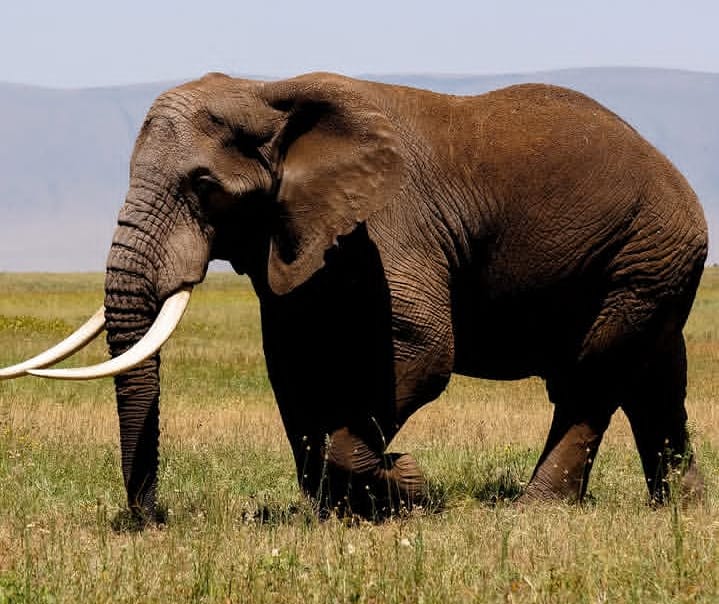
Tanzania's Northern Circuit parks are home to an incredible variety of wildlife. You can expect to see the Big Five (lions, leopants, buffalo, elephants, and rhinos), along with giraffes, zebras, wildebeest, gazelles, hyenas, and numerous bird species. The specific animals you encounter depend on which parks you visit and the season, but the Northern Circuit is renowned for its diverse and abundant wildlife populations. Game drives with experienced guides significantly increase your chances of spotting these magnificent creatures.
Pack lightweight, neutral-colored clothing in layers, as temperatures vary throughout the day and between seasons. Essentials include a wide-brimmed hat, sunscreen, sunglasses, comfortable walking shoes, and binoculars for wildlife viewing. Bring a camera with extra batteries and memory cards—though charging ports are available in safari vehicles. Don't forget personal medications, a basic first-aid kit, and insect repellent. For cultural visits, pack modest clothing that covers shoulders and knees. A light jacket is useful for early morning game drives when it can be cool.
Walking safaris in Tanzania are conducted with professional, experienced guides who are trained in wildlife safety and navigation. These guides understand animal behavior and know how to maintain safe distances and appropriate conduct around wildlife. Walking safaris are designed to be safe and educational experiences when conducted with proper precautions. Your guide will brief you on safety protocols before the walk, and they maintain constant awareness of your surroundings. Always follow your guide's instructions and stay with the group for the safest experience.
Tanzania safari costs vary based on the season, duration, and level of accommodation. A 6-day safari typically ranges from mid-range to luxury pricing depending on your choices. Most packages include park fees, accommodation, meals, transportation, and a professional guide, which represents significant value. Budget safaris tend to be more affordable than luxury options. When calculating total costs, remember that international airfare, travel insurance, visa fees, and tips are typically not included in package prices, so factor these into your overall budget.
The best time to visit Tanzania depends on what you want to experience. The dry seasons—June to October (long dry season) and January to February (short dry season)—offer the best wildlife viewing because animals congregate around water sources and vegetation is sparse, making them easier to spot. June to October is peak season with excellent game viewing and ideal weather. January to February offers fewer crowds and lush landscapes. The rainy seasons (November-December and March-May) are less popular but offer birdwatching opportunities, lower prices, and dramatic scenery. Consider your preferences for wildlife density, weather, and crowds when planning.
Tanzania's Northern Circuit comprises four main parks: Arusha National Park, known for its diverse ecosystems and Mount Meru; Tarangire National Park, famous for its massive elephant populations and baobab trees; Lake Manyara National Park, celebrated for its tree-climbing lions and flamingos; and Ngorongoro Conservation Area, home to the stunning Ngorongoro Crater with exceptional wildlife concentration. Each park offers unique landscapes, wildlife, and experiences, making a Northern Circuit safari incredibly diverse and rewarding.
Visa requirements for Tanzania depend on your nationality. Most international visitors require a visa, which can typically be obtained on arrival at the airport or through an online e-visa system before travel. Processing times and fees vary by country. It's essential to check the official Tanzanian immigration website or contact your nearest Tanzanian embassy well before your trip to understand specific requirements for your passport. Ensure your passport has at least six months of validity remaining from your travel dates.
Vaccination requirements for Tanzania vary based on your travel history and home country. Yellow fever vaccination is commonly recommended or required, particularly if you're arriving from certain countries. Malaria prophylaxis is also typically recommended for most regions of Tanzania. Routine vaccinations (measles, tetanus, etc.) should be current. Consult with a travel health clinic or your doctor at least 4-6 weeks before your trip to receive personalized medical advice based on your health history and specific travel itinerary. They can recommend appropriate preventive measures and vaccinations for your journey.
A comprehensive Tanzania safari package typically includes national park entrance fees, accommodation throughout your stay, all meals (breakfast, lunch, and dinner), transportation in a private 4x4 safari vehicle with a professional guide, bottled water during game drives, and airport transfers. Many packages also provide modern amenities like Wi-Fi, refrigeration, and charging ports in safari vehicles for convenience. However, international flights, travel insurance, visa fees, alcoholic beverages, tips, and optional activities are usually not included, so clarify what's covered when booking your safari.
A 6-day safari is an ideal duration for experiencing Tanzania's Northern Circuit comprehensively. This timeframe allows you to visit multiple parks, enjoy several game drives, experience wildlife at different times of day, and participate in cultural activities without feeling rushed. Shorter safaris (3-4 days) are possible but offer less time for wildlife viewing and park exploration. Longer safaris (7-10+ days) provide even deeper immersion and opportunities to explore additional destinations. A 6-day safari strikes a good balance between experiencing diverse landscapes and wildlife while remaining practical for most travelers' schedules.
© 2026 SafariFind. All rights reserved.