 1 / 91 / 9
Loading SafariFind...
1 / 9Arrival in Arusha
Arusha
Meals: Dinner
Tarangire National Park
Tarangire National Park
Meals: Breakfast, Lunch, Dinner
Serengeti National Park
Serengeti National Park
Meals: Breakfast, Lunch, Dinner
Full Day In Serengeti National Park
Serengeti National Park
Meals: Breakfast, Lunch, Dinner
Ngorongoro Crater
Ngorongoro Crater
Meals: Breakfast, Lunch, Dinner
Lake Manyara National Park & Departure
Lake Manyara National Park
Meals: Breakfast
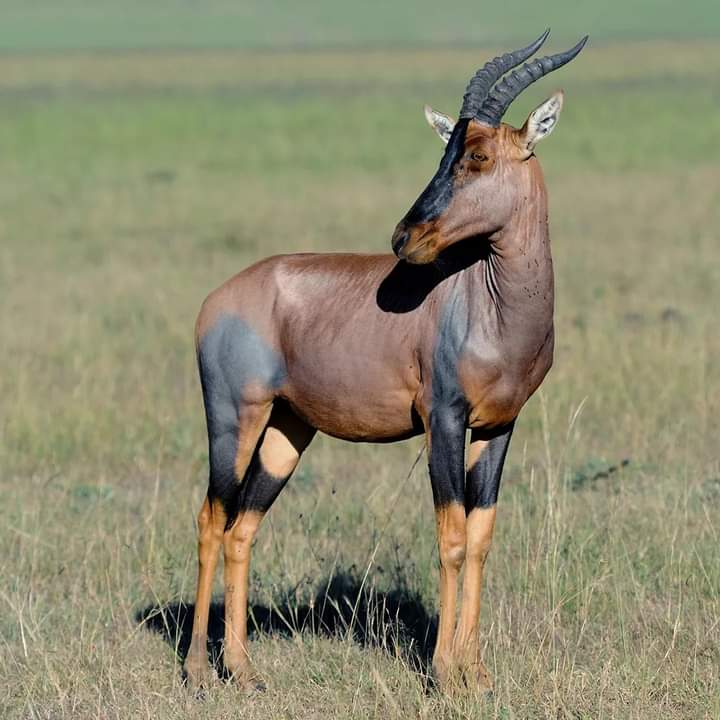
Tanzania's northern safari circuit is home to an incredible diversity of wildlife. You can expect to see the Big Five (lions, elephants, buffalo, leopards, and rhinoceros), along with giraffes, zebras, wildebeest, antelopes, hyenas, and numerous bird species. Tarangire National Park is particularly famous for its massive elephant herds and ancient baobab trees. The Serengeti offers endless plains teeming with wildlife, while the Ngorongoro Crater contains one of the highest concentrations of animals in Africa. Lake Manyara is renowned for its unique tree-climbing lions and diverse birdlife. The variety and abundance of wildlife you'll encounter makes Tanzania one of Africa's premier safari destinations.
The best time for a Tanzania safari depends on what you want to experience. The dry season from June to October offers the best game viewing, as animals congregate around water sources, making them easier to spot. During this period, the weather is cooler and more comfortable for game drives. The shoulder months of December to February also provide good wildlife viewing with fewer crowds and lush green landscapes following the rains. The wet season (March to May) sees fewer tourists and lower prices, though some roads may be challenging. For the Great Migration in the Serengeti, late June through August is ideal. Overall, June to October is considered peak safari season in Tanzania.
Pack neutral-colored, lightweight clothing in khaki, olive, and beige tones to blend with the landscape and avoid disturbing wildlife. Bring long-sleeved shirts and pants for sun protection and to guard against insects. Essential items include a wide-brimmed hat, high-SPF sunscreen, sunglasses, and a light jacket or sweater for early morning and evening game drives when temperatures drop. Comfortable walking shoes and closed-toe hiking boots are important for exploring. Don't forget binoculars for wildlife viewing, a camera with extra batteries and memory cards, and any personal medications. Pack toiletries, though many lodges provide basics. Insect repellent is recommended, and consider antimalarial medication as advised by your doctor. Bring a small daypack for game drives and a larger bag for your main luggage.
A 6-day safari is an ideal length for exploring Tanzania's northern circuit comprehensively. This duration allows you to visit multiple parks including Tarangire, Serengeti, Ngorongoro Crater, and Lake Manyara, giving you diverse wildlife viewing experiences and spectacular landscapes without feeling rushed. With 6 days, you'll have sufficient time for multiple game drives in each location, increasing your chances of encountering a wide variety of wildlife. Shorter safaris of 3-4 days are possible but more limited in scope, while longer safaris of 8+ days allow for deeper exploration and visits to additional parks. For first-time visitors wanting a comprehensive Tanzania experience, 6 days strikes the perfect balance between time investment and wildlife viewing opportunities.
A comprehensive Tanzania safari package typically includes all national park entrance fees, so you don't need to worry about additional park costs. Accommodation is provided throughout your stay, usually in comfortable lodges or camps within or near the parks. All meals—breakfast, lunch, and dinner—are included daily, ensuring you're well-fed for your adventures. Transportation is covered via a private 4x4 safari vehicle, which is essential for navigating the terrain and maximizing wildlife viewing. You'll have a professional English-speaking guide who shares expertise about wildlife, ecosystems, and local culture. Practical amenities like bottled water during game drives and airport transfers are included. Government taxes and VAT are typically incorporated into the package price. However, items like visa fees, travel insurance, international flights, and optional activities are usually not included and should be arranged separately.
Most international visitors require a visa to enter Tanzania, though visa requirements vary by nationality. Many countries' citizens can obtain a visa on arrival at Tanzanian airports, or you can apply for an e-visa online before your trip, which is often more convenient. The e-visa process is straightforward and typically processed within a few days. Some nationalities may be eligible for visa-free entry, so check the current requirements based on your passport. It's essential to verify the specific visa requirements for your country well in advance of your travel date, as regulations can change. Ensure your passport is valid for at least six months beyond your intended stay. While visa fees are not typically included in safari packages, the application process is relatively simple and can usually be completed online before you arrive.
Vaccinations for Tanzania depend on your medical history and the regions you're visiting. Yellow fever vaccination is often recommended, and proof of vaccination may be required if you're traveling from certain countries. Malaria is present in Tanzania, so antimalarial medication is strongly advised; consult your doctor about the best option for you. Routine vaccinations (measles, mumps, rubella, tetanus, etc.) should be up to date. Typhoid and hepatitis A vaccinations are commonly recommended for travelers. Your specific vaccination needs depend on your nationality, medical history, and which areas of Tanzania you'll visit. It's crucial to consult with a travel medicine clinic or your healthcare provider at least 4-6 weeks before your trip to discuss your individual health requirements and receive appropriate medical advice. Travel insurance that covers medical emergencies is also highly recommended.
Yes, malaria is present in Tanzania, particularly in lower-altitude areas like the Serengeti and Lake Manyara regions. However, the risk can be significantly reduced through preventive measures. Most travelers take antimalarial medication prescribed by their doctor based on the specific areas they're visiting and their personal health profile. Equally important are practical precautions: use insect repellent containing DEET, wear long sleeves and pants during dawn and dusk when mosquitoes are most active, and sleep under mosquito nets when provided. Many safari lodges are located at higher altitudes where malaria risk is lower, and they typically provide screened rooms and nets. It's essential to discuss malaria prevention with a travel medicine specialist before your trip, as they can recommend the most appropriate medication for you. Being proactive about malaria prevention allows you to enjoy your safari with peace of mind.
Tanzania safari costs vary widely depending on the duration, season, and level of accommodation. A 6-day safari can range from budget-friendly options starting around $1,500-$2,500 per person to luxury experiences exceeding $5,000 or more, depending on the quality of lodges and services. Mid-range packages typically fall between $2,500-$4,000 per person. Peak season (June-October) is generally more expensive than shoulder or low seasons. Package prices usually include accommodation, meals, park fees, vehicle, and guide, but exclude international flights, visas, travel insurance, and personal expenses. Booking during shoulder seasons or in advance can offer better rates. When comparing prices, ensure you understand what's included versus excluded to make an accurate comparison. Many operators offer flexible packages that can be customized to your budget and preferences.
Yes, you can witness the Great Migration in Tanzania, particularly in the Serengeti, which is one of the world's most spectacular wildlife events. The migration timing varies: typically, wildebeest and zebras move through the Serengeti from June to August as they follow seasonal rains and fresh grazing. The southern Serengeti is best visited from December to March when animals congregate for calving season. A 6-day safari provides a good opportunity to experience the migration, though specific timing depends on when you visit. The exact location of the herds shifts throughout the year, so your guide will position you to maximize viewing chances. Witnessing millions of animals moving across the plains, river crossings, and predator-prey interactions makes this a bucket-list experience. To increase your chances of seeing the migration, coordinate your travel dates with your safari operator based on current migration reports.
© 2026 SafariFind. All rights reserved.