 1 / 91 / 9
Loading SafariFind...
1 / 9Tarangire National Park
Tarangire National Park
Meals: Dinner
Serengeti National Park
Serengeti National Park
Meals: Breakfast, Lunch, Dinner
Serengeti National Park
Serengeti National Park
Meals: Breakfast, Lunch, Dinner
Ngorongoro crater
Ngorongoro Crater
Meals: Breakfast, Lunch, Dinner
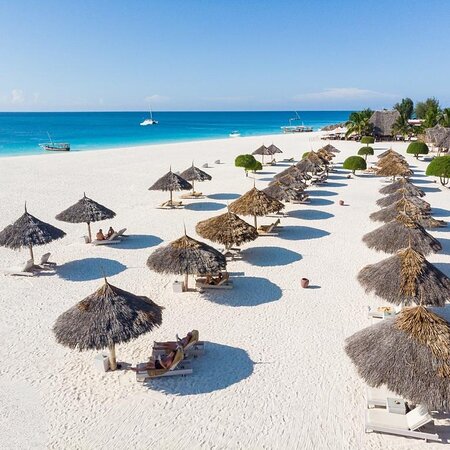
Zanzibar Bay Resort
Zanzibar Island
Meals: Breakfast, Lunch, Dinner
Zanzibar Island
Abeid Amani Karume International Airport
Meals: Breakfast
Tanzania's northern parks are home to incredible wildlife diversity. In Tarangire National Park, you'll encounter large elephant herds, buffalo, giraffes, zebras, wildebeest, and various antelope species. The Serengeti is famous for its massive wildebeest and zebra herds, along with lions, leopards, cheetahs, hyenas, and African wild dogs. The Ngorongoro Crater, one of Africa's most unique ecosystems, hosts an exceptionally concentrated population of wildlife including rhinos, hippos, flamingos, and numerous predator species. The combination of these three parks provides some of the most comprehensive wildlife viewing experiences in Africa, with sightings varying by season.
Tanzania offers excellent safari opportunities year-round, but timing depends on what you want to experience. The dry season from June to October is ideal for wildlife viewing, as animals congregate around water sources, making them easier to spot. During this period, the Great Migration typically moves through the Serengeti. The wet season from November to May brings lush landscapes and abundant birdlife, with fewer tourists and lower prices. January and February are particularly good for predator activity and calving season. Consider your wildlife priorities and comfort preferences when choosing your travel dates, as each season offers unique advantages.
For a combined safari and beach experience in Tanzania, pack versatile clothing for both environments. For safari, bring neutral-colored, lightweight, long-sleeved clothing to protect from sun and insects, comfortable walking shoes, and a warm layer for early morning game drives. Include a wide-brimmed hat, sunscreen, sunglasses, and binoculars. For Zanzibar's beach portion, pack swimwear, light summer clothing, reef-safe sunscreen, and casual beachwear. Essentials for both include a good camera, any personal medications, toiletries, and a universal power adapter. Don't forget a light rain jacket even during dry season. Check current health recommendations and pack any required vaccinations documentation before departure.
A 6-day Tanzania safari usually includes multiple game drives spread across the safari portion of your trip, typically 4-5 days depending on the itinerary structure. Most operators schedule morning and afternoon game drives on safari days, as these are the prime times for wildlife viewing when animals are most active. Early morning drives often start before sunrise to maximize sightings, while afternoon drives typically run from mid-afternoon through sunset. The exact number of drives varies based on how the itinerary balances time between different parks and the transition to beach relaxation. Your professional guide will optimize timing and routes based on recent wildlife activity reports.
While travel insurance is not mandatory for entry into Tanzania, it is highly recommended for any international trip combining safari and beach activities. Comprehensive travel insurance should cover trip cancellations, medical emergencies, evacuation (particularly important for remote safari areas), lost luggage, and travel delays. Given that safaris involve travel to remote locations and outdoor activities, medical coverage is especially valuable. Some insurance policies specifically cover adventure activities, so ensure your policy includes safari-related coverage. Check your policy details carefully, as standard plans may have exclusions. It's wise to purchase insurance shortly after booking your trip to maximize coverage options.
The Ngorongoro Crater is a UNESCO World Heritage Site and one of Africa's most remarkable natural wonders—a massive volcanic caldera spanning approximately 19 kilometers in diameter. What makes it exceptional for wildlife viewing is its unique ecosystem: the crater floor contains a self-contained environment with permanent water sources, grasslands, and forests that support an unusually high concentration of wildlife in a relatively small area. You'll find lions, elephants, buffalo, zebras, hippos, flamingos, and numerous other species within the crater. The crater's walls provide stunning panoramic views, and the enclosed ecosystem means wildlife viewing is often more predictable than in open parks. The combination of dramatic scenery and wildlife density makes it a highlight of any Northern Tanzania safari.
Most Tanzania safari packages include three meals daily—breakfast, lunch, and dinner—prepared at your accommodation or provided as packed meals during game drives. Breakfast typically features continental and cooked options to fuel your morning drive. Lunch may be served at your lodge or as a packed meal in the field, depending on your location. Dinner is usually a more substantial meal at your accommodation with local and international cuisine options. Bottled water is provided throughout game drives to keep you hydrated during long hours of wildlife viewing. However, alcoholic beverages are typically not included and must be purchased separately. It's advisable to confirm specific meal arrangements with your operator, as some packages may offer different dining options or special dietary accommodations upon request.
Visa requirements for Tanzania depend on your nationality. Citizens of many countries can obtain a visa on arrival at Julius Nyerere International Airport in Dar es Salaam, though this process can be time-consuming. Alternatively, you can apply for an e-visa online before travel, which is often faster and more convenient. Some nationalities qualify for visa-free entry or can obtain visas through East African Community agreements. Requirements change periodically, so it's essential to check the current regulations on the official Tanzanian immigration website or consult your travel operator well in advance of your trip. Your safari operator can often provide guidance on visa procedures. Ensure your passport is valid for at least six months beyond your intended departure date.
Driving times between Tanzania's northern parks vary based on road conditions and specific locations. From Arusha to Tarangire National Park typically takes 2-3 hours. Tarangire to the Serengeti requires approximately 5-7 hours of driving depending on the route and stops. The journey from Serengeti to Ngorongoro Crater takes roughly 4-6 hours. These are scenic drives through varied landscapes, and operators often break journeys with stops for lunch or photo opportunities. Road conditions can vary seasonally—dry season roads are generally better maintained than wet season routes. Most 6-day itineraries account for these travel times by dedicating specific days to transfers and game drives. Your operator will plan the routing to maximize both wildlife viewing and minimize excessive driving fatigue.
A comprehensive Tanzania safari package typically includes park entrance fees, accommodation, all meals, private 4x4 vehicle transportation, professional English-speaking guide services, bottled water during game drives, airport transfers, and government taxes. However, international airfare is your responsibility, as are travel insurance, visa fees, and vaccinations. Alcoholic beverages, tips for guides and staff, and personal expenses are generally not included. Optional activities beyond the standard itinerary may carry additional costs. It's important to review your specific package details carefully and clarify with your operator what's covered before booking. This helps you budget accurately and understand exactly what to expect, avoiding surprises regarding additional expenses during your trip.
© 2026 SafariFind. All rights reserved.